New Malware Families
Every week brings a headline about a new malware family, a new name, a new logo, a new dashboard on some leak site, and it is easy to get pulled into chasing the labels, but here is the thing that matters more than any name, the techniques underneath keep repeating, and the teams that defend well are the ones who track those techniques instead of memorizing brand names.
So let me walk through what is genuinely different about the malware families emerging now, what is just the same old playbook with new packaging, and how you actually defend against it.
Important Disclaimer
This article is intended for educational and defensive purposes only. The techniques described here are shared to help security professionals understand how modern malware operates so they can better protect their systems.
Do not use these techniques against systems you do not own or do not have explicit written permission to test. Unauthorized testing is illegal in most jurisdictions.
The author assumes no liability for any damages, legal consequences, or other outcomes resulting from the use or misuse of this information. Always obtain proper authorization before conducting any testing, and stay legal, stay ethical, stay responsible.
Why the Name Game Is a Distraction
Malware families get renamed constantly, sometimes because the code changed, sometimes because researchers disagree about attribution, and sometimes because the operators behind them rebrand deliberately to escape reputation-based blocking.
A ransomware group that gets sanctioned or badly disrupted will often resurface under a new name with the same affiliates, the same infrastructure patterns, and the same negotiation tactics, and defenders who built their entire strategy around one name suddenly find themselves with no detection coverage at all.
So the first lesson is this. Track behaviors, not badges. If you can describe what a piece of malware does rather than what it is called, your detection survives the rebrand.
Trend 1: Modular Loaders and the Delivery Supply Chain
The most important change in recent years is that malware stopped being a single thing and became a pipeline.
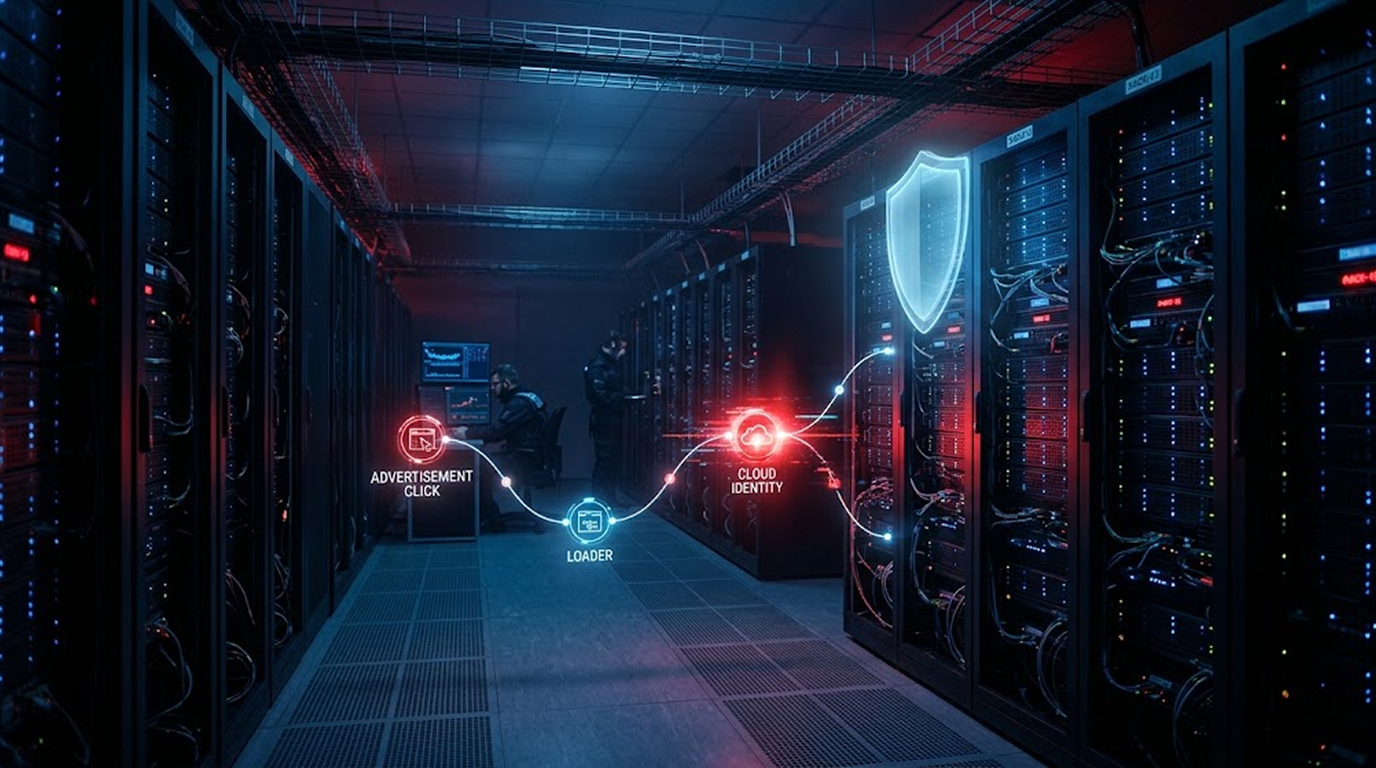
A modern intrusion typically involves a delivery mechanism, a loader that establishes a foothold, a second-stage payload that does the actual work, and a command-and-control framework that manages it all. Each stage is often sold or rented separately.
This matters because blocking one stage does not break the chain, the operator simply swaps the loader for a different one and tries again. It also means that malware authors are now competing on stealth and reliability rather than capability, because the capability comes from whatever payload gets dropped at the end.
For defenders, the practical implication is that detecting the loader is more valuable than detecting the final payload, because the loader is the part that repeats across campaigns.
Trend 2: Operating Below the Monitoring Layer
One of the clearest shifts is that modern malware increasingly tries to disable or blind the security tooling rather than evade it.
This usually means loading a signed but vulnerable driver and using it to remove the hooks and callbacks that endpoint detection relies on. The endpoint agent keeps running, the dashboard keeps looking healthy, and the telemetry simply stops arriving.
The uncomfortable part is that this is not a bug in any particular product, it is a structural consequence of where detection lives. If you control the kernel, you control what the kernel reports upward.
Defending against this requires visibility below the layer that is being blinded, which is why kernel-level monitoring, hypervisor-based security, and hardware-assisted telemetry have moved from nice-to-have to necessary.
Trend 3: Living Off the Land and Signed Binaries
The other major evasion trend is not technical at all, it is behavioral.
Instead of bringing custom tools, attackers use the tools already installed on the system. PowerShell, WMI, scheduled tasks, certutil, bitsadmin, and dozens of other legitimate administrative utilities become the attack toolkit.
When every command is a signed Microsoft binary and every action looks like routine administration, signature-based detection has nothing to match on, and behavioral detection has to rely on context, sequence, and intent rather than on individual events.
This is why correlation matters so much, a single PowerShell command is meaningless, a sequence of twenty across three systems in an hour is a story.
Trend 4: Cross-Platform Reach
Malware used to be a Windows problem for most organizations, that assumption is now wrong.
Modern campaigns increasingly ship variants for macOS, Linux, and virtualization platforms, and the Linux variants are not an afterthought, they target the servers that hold the data, not the laptops that browse the web.
ESXi hypervisors in particular have become a favored target for ransomware operators, because encrypting the hypervisor takes down every virtual machine at once and disrupts recovery.
If your detection coverage is Windows-only, you have a blind spot on exactly the systems that matter most.
Trend 5: AI-Accelerated Development
This is the trend that changes the pace of everything else.
AI has compressed the time it takes to write, modify, and test malicious code. Variants that once took days to produce now take hours, and the variants are often different enough in structure to avoid signature detection while remaining functionally identical.
The same tools that help developers ship software faster are helping malware authors iterate faster, and the asymmetry is brutal because defenders have to catch every variant while attackers only need one to work.
For defenders, this means that static detection is losing value over time and behavioral detection is gaining it, because behavior is harder to vary than syntax.
Trend 6: Distribution Through Trusted Channels
The delivery phase has shifted toward channels that organizations already trust.
Compromised software updates, malicious dependencies in package registries, trojanized installers on legitimate looking download sites, and even paid advertisements leading to fake download pages.
The common thread is that the user is not doing anything obviously wrong. They are updating software, installing a library, or clicking an ad for a product they actually want.
This is why supply chain security is no longer a niche concern, it is the main delivery channel for the malware families that matter.
Trend 7: The Affiliate Model and Constant Rebranding
Ransomware is no longer run by single groups, it is run as a service.
Core developers build the encryption tooling and the leak site infrastructure, affiliates break in and deploy it, and the proceeds are split. When one operation gets disrupted, the affiliates do not disappear, they move to whatever platform is currently recruiting.
This structure means that tracking ransomware by name is nearly useless. The affiliates are the constant, the brand is the variable.
It also means the initial access techniques remain stable across campaigns, which is exactly where defenders should focus.
Trend 8: Infostealers as the Entry Market
Infostealers have become the most commercially important malware category because they feed everything else.
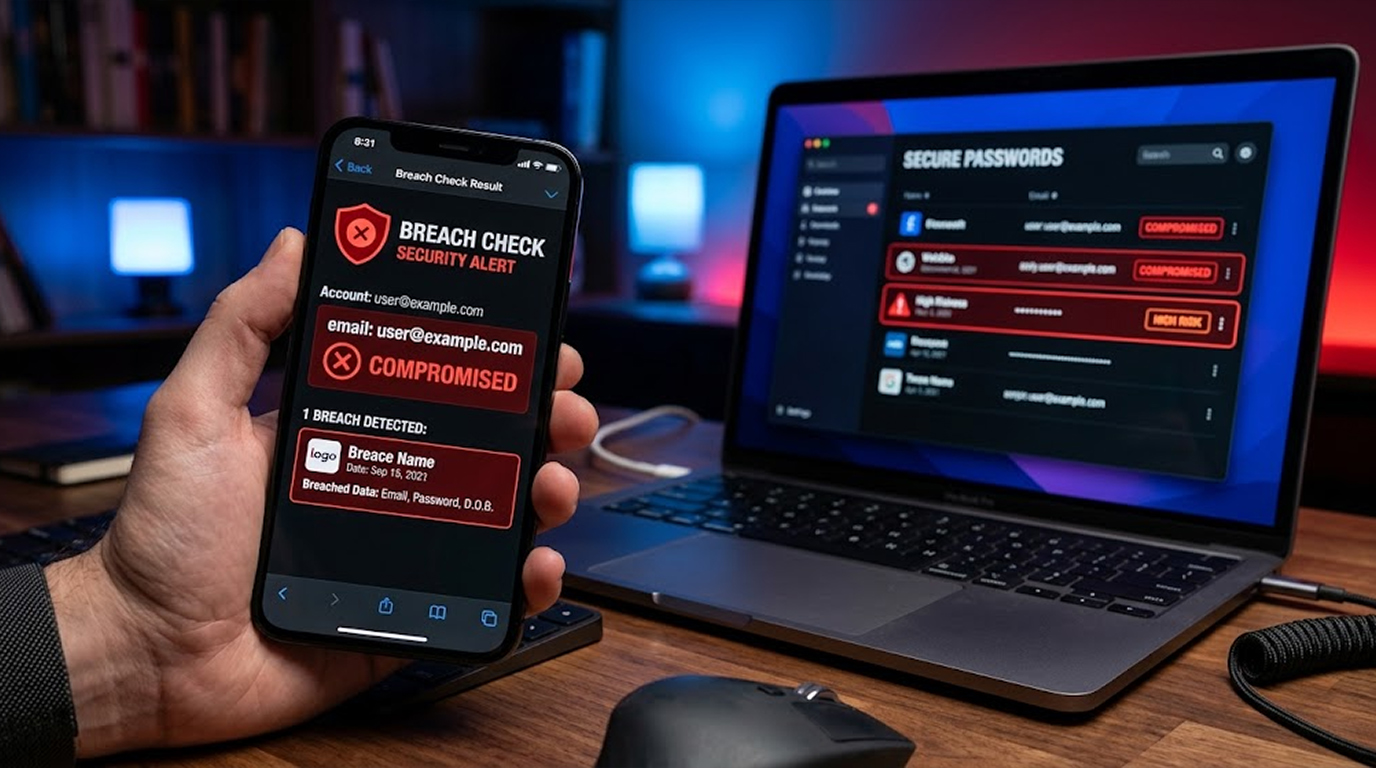
They harvest credentials, session cookies, and authentication tokens from browsers and applications, and the output gets sold in bulk on criminal marketplaces. Those credentials then feed into account takeover, business email compromise, and initial access for ransomware.
What makes modern infostealers notable is how quickly they monetize and how little they need to do. They do not need persistence in most cases, they do not need lateral movement, they just need one successful run on one machine with saved credentials.
For defenders, this reframes the priority. Credential theft is not a stepping stone to worry about later, it is the primary business model of the ecosystem.
Trend 9: Edge Devices and Appliances
Attackers have figured out that the most valuable targets are often the ones nobody patches.
VPN concentrators, firewalls, load balancers, and edge appliances sit on the boundary between the internet and the internal network, they run firmware that is updated rarely and rebooted even less often, and they frequently hold credentials and trust relationships that reach deep inside.
Compromising one of these devices gives an attacker a trusted position without ever touching an endpoint, which is why appliance exploitation has become one of the most reliable initial access paths in recent years.
Trend 10: Malware That Targets Identity, Not Machines
The newest shift, and arguably the most important, is that malware is increasingly focused on identity rather than on the device.
Why infect a laptop when you can steal a token, why maintain persistence on a server when you can register your own authentication method, why fight endpoint detection when you can operate entirely through cloud APIs using legitimate credentials.
This trend blurs the line between malware and account takeover, and it means that identity controls, session monitoring, and token protection are now part of malware defense rather than separate disciplines.
How Modern Malware Differs From the Old Model
|
Characteristic |
Older Malware |
Newer Families |
|
Structure |
Monolithic |
Modular, staged |
|
Persistence |
Registry, startup folders |
Scheduled tasks, services, cloud identities |
|
Evasion |
Packing, obfuscation |
Kernel-level blinding, living off the land |
|
Delivery |
Email attachments |
Supply chain, ads, compromised updates |
|
Monetization |
Direct theft |
Credential resale, ransomware affiliates |
|
Target |
Windows endpoints |
Cross-platform, edge devices, cloud identity |
|
Development |
Manual |
AI-assisted, high variant velocity |
|
Attribution |
Family names |
Shared affiliates, constant rebranding |
Real Scenarios
Scenario 1: The Update That Wasn't
The Setup
A finance team receives a notification that a widely used business tool has an update available, they download it from a page that appears to be the vendor's site, and they install it.
The Attack
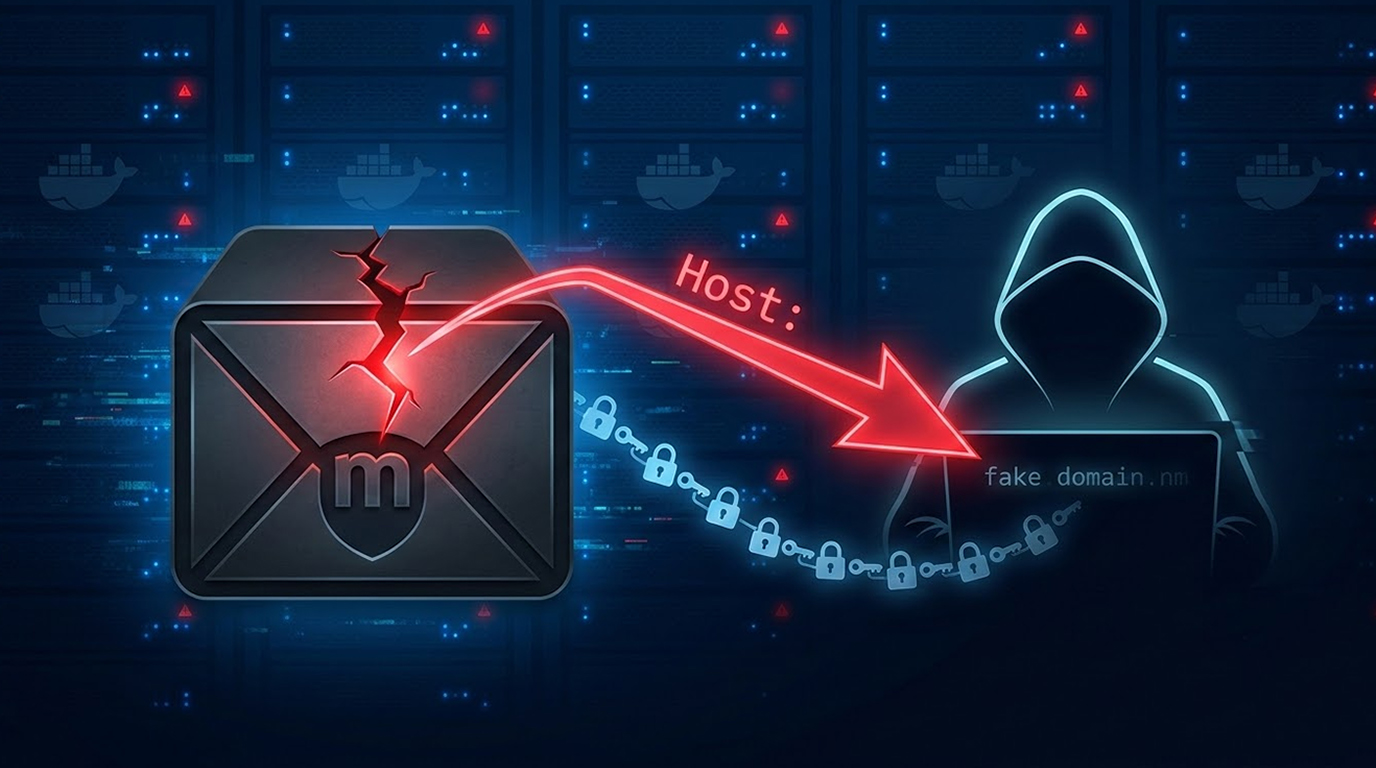
The download page is a paid advertisement leading to a lookalike domain, the installer is a trojanized version of the real application, and it silently installs a loader alongside the legitimate software.
The Result
The loader establishes a foothold, it reaches out to command-and-control, and it waits. Days later it drops an infostealer that harvests browser credentials and session cookies.
The Lesson
The delivery channel was not email, it was a trusted brand and a paid ad, and the user did nothing obviously wrong.
Scenario 2: The Appliance Nobody Patched
The Setup
A remote access appliance sits at the network edge, it has been running the same firmware for two years, and updating it requires a maintenance window that keeps getting postponed.
The Attack
An attacker exploits a known vulnerability in the appliance, gains a foothold on a device that is trusted by the internal network, and uses it as a jumping off point.
The Result
No endpoint agent alerts, because no endpoint was compromised. The attacker moves laterally using credentials they found on the appliance itself.
The Lesson
The most exposed asset is often the one with the longest patch cycle.
Scenario 3: The Session That Never Expired
The Setup
An employee clicks a link, a malicious script steals their browser session cookies, and the attacker replays them from their own machine.
The Attack
There is no malware on the endpoint after the initial theft, there is no suspicious process, there is no beaconing, the attacker simply uses a valid session that the identity provider considers legitimate.
The Result
The attacker reads mail, accesses files, and registers their own MFA method to maintain access, all while every endpoint tool reports the machine as clean.
The Lesson
Modern attacks can succeed without leaving malware behind, which means endpoint telemetry alone is not enough.
How to Defend Against Modern Malware
1. Track Behaviors, Not Names
Build detections around what malware does, not what it is called. Process lineage, command line patterns, network destinations, and privilege transitions all survive rebranding.
2. Get Visibility Below the Monitoring Layer
Assume user-mode detection can be blinded. Invest in kernel-level, hypervisor-level, or hardware-assisted telemetry so that a blinded agent is still an observable event.
3. Prioritize Identity and Token Protection
Monitor session creation, token use, and authentication method registration. A new MFA method added to an account is a high-signal event that most teams are not alerting on.
4. Patch the Edge
Treat edge appliances as tier-one assets. They sit on the boundary, they hold trust, and they are the most common way into a network without touching an endpoint.
5. Control What Can Execute
Application control, script block logging, and constrained language mode in PowerShell reduce the living-off-the-land surface dramatically. If an attacker cannot run their tooling, the campaign stalls.
6. Watch the Supply Chain
Monitor what your build systems pull, verify package integrity, and treat dependency changes as security-relevant events.
7. Assume Credential Theft Is Already Happening
Design for the assumption that credentials and tokens will be stolen. Shorten session lifetimes, bind tokens where possible, and make revocation fast and practiced.
8. Monitor the Cloud Control Plane
Many modern attacks never touch an endpoint. Ingest cloud audit logs, alert on unusual API calls, and treat identity provider logs as a primary detection source.
9. Reduce Blast Radius
Segment networks, enforce least privilege, and limit what any single compromised asset can reach. You will not stop every initial access, but you can stop it from becoming a full breach.
10. Build for Variant Velocity
Assume that any static signature you write will be obsolete quickly. Invest in behavioral detection, anomaly baselines, and human hunting that can find what rules miss.
Quick Reference: Modern Malware Defense Checklist
|
Area |
Action |
|
Detection strategy |
Behavior-based, not name-based |
|
Telemetry depth |
Kernel or hypervisor level visibility |
|
Identity |
Monitor sessions, tokens, and MFA registration |
|
Edge devices |
Patch on aggressive schedules |
|
Execution control |
Application control, script logging |
|
Supply chain |
Verify dependencies and build integrity |
|
Credentials |
Assume theft, shorten lifetimes |
|
Cloud |
Ingest control plane audit logs |
|
Segmentation |
Limit lateral movement |
|
Hunting |
Proactive search for what rules miss |
The Bottom Line
New malware families will keep appearing, and the names will keep changing, that part is noise.
What actually matters is the pattern underneath, modular delivery, evasion below the monitoring layer, abuse of legitimate tools, distribution through trusted channels, monetization through credential theft, and a steady migration toward identity as the real target.
Defend the pattern, not the label. Get visibility where detection can be blinded, protect identity and tokens as aggressively as you protect endpoints, patch the edge, control what executes, and assume credentials will be stolen.
The attackers are iterating faster than ever. The only way to keep up is to focus on what does not change.
FAQ Section
Why do malware families keep getting renamed?
Renaming helps operators escape reputation-based blocking, and researchers sometimes disagree on whether a variant is a new family or an update. The rebranding makes name-based tracking unreliable.
What is a loader in modern malware?
A loader is the first stage that establishes a foothold on a system, it is usually small, it downloads or decrypts a second-stage payload, and it is often rented separately from the payload itself.
How does malware blind EDR?
A common technique is loading a signed but vulnerable driver and using it to remove the kernel callbacks that the endpoint agent relies on, the agent keeps running but stops receiving telemetry.
Is living off the land still effective?
Yes, it remains one of the most effective techniques because every tool used is a legitimate signed binary, which leaves signature-based detection with nothing to match.
Do I still need antivirus?
Yes, as one layer. Modern defense requires behavior-based detection, identity monitoring, cloud log ingestion, and segmentation alongside traditional endpoint protection.
Why is identity now a malware target?
Because stealing a token or session avoids the need for persistence, lateral movement, and evasion. The attacker simply becomes the user.
How fast do I need to patch edge devices?
Treat them as critical infrastructure. Exploitation of edge appliances is one of the most common initial access paths, and the window between disclosure and exploitation is short.