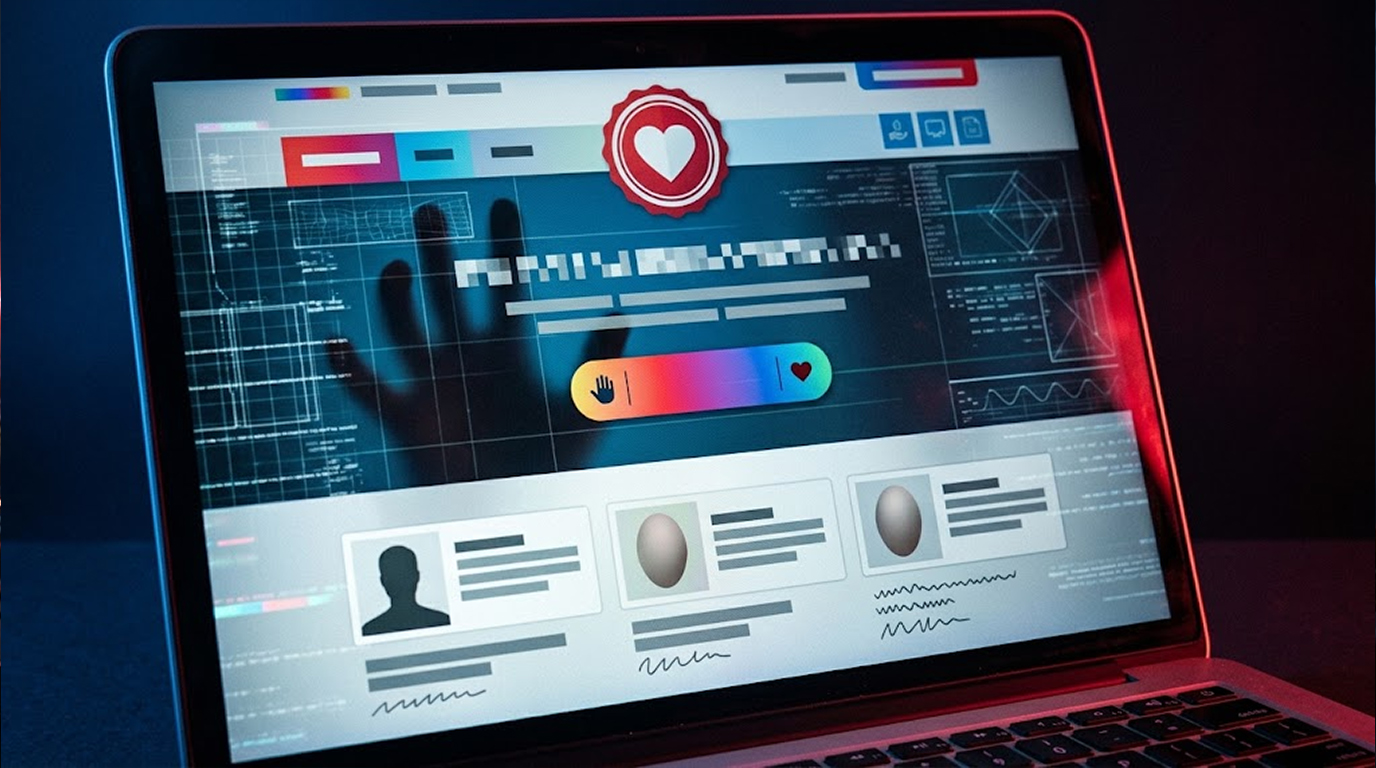
charity scam
A disaster happens somewhere in the world, a hurricane, an earthquake, a war, a fire, and within hours your social media feed fills with appeals, donate here, help now, every dollar counts, the images are devastating, the stories are heartbreaking, and the websites look professional.
You click donate, you enter your card details, you feel good about helping, and then you never hear from that organization again.
Some of those appeals were real, and some of them were built in an afternoon by someone using AI, the difference is nearly impossible to spot at a glance, and that is exactly the problem.
Important Disclaimer
This article is intended for educational and defensive purposes only, the techniques described here are shared to help individuals and security professionals understand charity fraud so they can better protect themselves and their organizations.
Do not use these techniques against systems you do not own or do not have explicit written permission to test, unauthorized testing is illegal in most jurisdictions.
The author assumes no liability for any damages, legal consequences, or other outcomes resulting from the use or misuse of this information, always obtain proper authorization before conducting any security testing, and stay legal, stay ethical, stay responsible.
Why Charity Fraud Is Booming
Charity fraud is not new, criminals have always exploited generosity after disasters, but AI has removed the two biggest barriers that used to limit it, time and skill.
Before AI, building a convincing fake charity took effort, you needed a website, you needed copywriting, you needed images you were allowed to use, you needed a payment processor willing to work with you, and you needed to look legitimate enough to pass casual scrutiny.
Now a single person can generate all of that in an afternoon, a professional looking website with realistic text, emotionally compelling appeals, AI generated images of disaster scenes, fake testimonials, fake team pages, and a checkout flow connected to a payment processor that does not ask too many questions.
The cost of entry has collapsed, and the volume of fraud has risen with it.
What AI Changes About Charity Scams
The core of the scam is the same, take money from people who want to do good, what is different is the quality and the scale.
The Websites Look Real
AI can generate a complete website in minutes, hero images, mission statements, program descriptions, team bios, impact reports, and a donation page that looks like it belongs to a major nonprofit, the design is clean, the language is polished, and nothing about it triggers suspicion.
The Images Are Convincing
AI image generation can produce photorealistic scenes of disaster, suffering, and recovery, these images would have been difficult to source before, now they are generated on demand, and reverse image search often returns nothing because the images are new.
The Copy Is Emotional and Specific
AI writes persuasive copy well, it can describe a village, a family, a child, a specific need, it can use the language of the region, it can reference real events, and it can hit the emotional notes that make people donate without thinking.
The Scale Is Unlimited
One operator can run dozens of fake charities at once, each one targeting a different cause, a different region, a different audience, when one gets reported, they spin up another.
The Follow-Up Is Automated
Some campaigns send thank-you emails, impact updates, and donation receipts, all AI generated, all designed to keep the donor engaged and to discourage them from asking hard questions.
How Fake Charity Websites Get Traffic
A convincing website is worthless if nobody sees it, so the scammers focus on distribution.
Social Media Ads and Posts
Paid ads and organic posts target people who engage with disaster content, the targeting is precise, and the emotional appeal is immediate.
Search Engine Poisoning
Some campaigns rank for terms related to a disaster, "donate to [disaster] relief" is a query with high intent, and a well optimized fake site can appear in results.
Email and Messaging Appeals
Phishing style emails and messages impersonate real charities, they often copy the branding of legitimate organizations and use similar domain names.
Crowdfunding Platforms
Some scammers create campaigns on legitimate crowdfunding platforms, the platform itself lends credibility, and donors assume the campaign has been verified when it has not.
Direct Messages
After a disaster, scammers send direct messages to people who post about it, offering a personal link to donate, the interaction feels one to one, and trust builds quickly.
Real Scenarios
Scenario 1: The Disaster Relief Site
The Setup
A major earthquake strikes, news coverage is wall to wall, and within hours a website appears offering direct relief to affected families.
The Attack
The site has professional design, AI generated images of the disaster, a compelling mission statement, and a donation form, it accepts credit cards, it sends a thank you email, and it disappears within a week.
The Result
Thousands of donors lose money, the victims receive nothing, and the operators move on to the next disaster with a new domain.
The Lesson
Emotional urgency is the scammer's best tool, and AI makes the emotional hook more polished than ever.
Scenario 2: The Fake Medical Fund
The Setup
A post appears about a child needing expensive treatment, the photos are heartbreaking, the story is detailed, and the donation link goes to a personal page.
The Attack
The photos are AI generated, the story is fabricated, and the page is connected to an account the operator controls, there is no hospital, there is no child, there is only a payment form.
The Result
Well meaning people donate, the operator collects the money, and the page is deleted before anyone verifies the story.
The Lesson
Personal appeals are the hardest to verify, and AI makes them easier to fabricate at scale.
Scenario 3: The Brand Impersonation
The Setup
An email arrives that looks like it comes from a well known charity, the logo is correct, the design is professional, and the appeal is urgent.
The Attack
The domain is a lookalike, the link goes to a fake site, and the donation form captures card details directly, the real charity has no idea its brand is being used.
The Result
Donors believe they gave to a trusted organization, the real charity faces reputational damage, and the scammers collect the funds.
The Lesson
Brand trust is a resource attackers borrow without permission, always verify the domain before you donate.
Scenario 4: The Crowdfunding Campaign
The Setup
A campaign appears on a legitimate crowdfunding platform, it has a goal, a story, and updates, the platform itself seems to lend credibility.
The Attack
The campaign is fabricated, the updates are AI generated, the images are AI generated, and the funds are withdrawn to a personal account as soon as the goal is reached.
The Result
Donors assume the platform verified the campaign, they did not, the platform is a hosting service, not an auditor.
The Lesson
Platform presence is not verification, anyone can start a campaign.
How to Verify a Charity Before You Donate
The good news is that verification is possible, it takes a few minutes, and a few simple checks will filter out most fakes.
1. Check Official Registries
Most countries maintain a public registry of registered charities, in the UK it is the Charity Commission, in the US it is the IRS Tax Exempt Organization Search, in Canada it is the CRA Charities Directorate, if the organization is not registered, treat that as a serious red flag.
2. Verify the Registration Number
Legitimate charities display their registration number, look it up directly on the registry site, do not trust the number as displayed on the charity's own page, confirm it independently.
3. Check the Domain Age
New domains are a warning sign, a charity that has existed for years will have an established domain, a domain registered last week is almost certainly a scam.
4. Look for Contact Information That Works
Real organizations have real addresses, real phone numbers, and real people, call the number, if nobody answers and there is no voicemail, be suspicious.
5. Search for the Organization Name Plus "Scam"
If others have been targeted, they have probably written about it, a quick search can save you money.
6. Reverse Search the Images
Use a reverse image search, if the images appear on unrelated sites or were clearly generated, be cautious, AI generated images often have subtle tells and no provenance.
7. Donate Directly Through the Official Site
Never donate through a link in an email, a social media post, or a message, go to the charity's official website directly by typing the address yourself.
8. Use a Payment Method With Recourse
Credit cards offer chargeback rights, bank transfers and gift cards do not, if a charity insists on an unusual payment method, walk away.
9. Check Where the Money Goes
Legitimate charities publish annual reports, financial statements, and impact reports, if none of that exists, ask why.
10. Prioritize Slowness Rather Than Rushing
Real charities do not try to make you feel that you must give right away, because this is a manipulation strategy.
Quick Reference: Charity Verification Checklist
|
Check |
Why It Matters |
|
Official registry listing |
Confirms legal status |
|
Independent registration number lookup |
Prevents number spoofing |
|
Domain age |
New domains are a red flag |
|
Working contact details |
Real organizations are reachable |
|
Search for scam reports |
Others may have already flagged it |
|
Reverse image search |
Detects AI generated or stolen images |
|
Donate through official site |
Avoids phishing links |
|
Payment method with recourse |
Enables chargebacks |
|
Published financials |
Shows accountability |
|
No pressure tactics |
Urgency is a manipulation tool |
How to Report a Fake Charity
If you spot a fake charity, reporting it helps protect others.
- Report it to the platform hosting the site or the campaign
- Report it to your national charity regulator
- Report it to your national fraud reporting center
- Report it to your payment provider if you donated
- Warn your network, especially if you shared the appeal
The Bottom Line
AI has made charity fraud cheaper, faster, and more convincing, the websites look real, the images look real, and the stories pull at exactly the right emotions, which means the old habit of trusting your gut is no longer enough.
The defense is verification, check the registry, confirm the registration number, look at the domain age, search for scam reports, and donate only through the official site, a few minutes of checking can protect both your money and the causes you actually care about.
Generosity is a good thing, and it deserves better than being exploited by someone with an AI tool and a payment form.
Give generously, but verify first.
FAQ Section
How can I tell if a charity website is fake?
Check whether it is listed in an official charity registry, verify its registration number independently, check the domain age, and search for scam reports, urgency and pressure are also warning signs.
Do AI generated charity websites look real?
Yes, AI can produce professional looking websites with compelling copy and photorealistic images in minutes, which makes visual inspection unreliable on its own.
Is it safe to donate through crowdfunding platforms?
Platforms host campaigns, they do not always verify them, treat platform presence as a starting point and do your own checks.
What should I do if I already donated to a fake charity?
Contact your payment provider immediately, report the fraud to your national reporting center, and warn others who might have seen the same appeal.
Can I get my money back after a charity scam?
Sometimes, if you paid by credit card and report quickly, bank transfers and gift cards are usually unrecoverable.
How can I check a UK-based charity?
Look at the Charity Commission register, enter the organization’s name, and make sure that the registration number is correct.