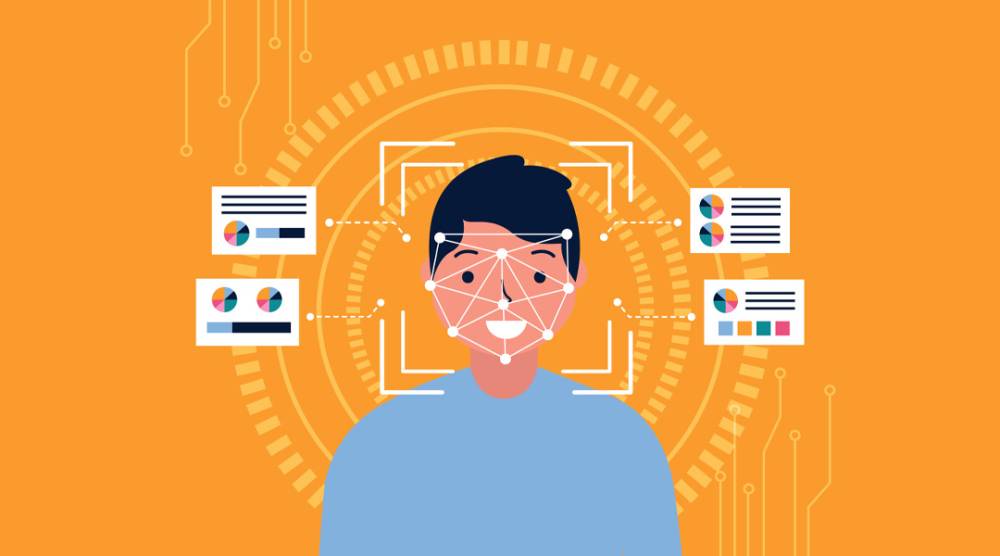
Biometric security uses unique biological traits such as fingerprints, facial patterns, voice, or eye structure to verify identities and control access. This method offers a strong alternative to traditional passwords, enhancing security in an era of increased cyber threats.
Types of Biometric Security
- Fingerprint Recognition: Uses fingerprint patterns to verify identity. Common in smartphones and access systems.
- Facial Recognition: Analyzes facial features to authenticate users. Used widely in device unlocking and security access.
- Iris Scanning: Scans unique patterns in the eye’s iris. Often found in high-security environments.
- Voice Recognition: Recognizes individuals by vocal characteristics, used in customer service and voice-enabled devices.
- Behavioral Biometrics: Tracks patterns like typing speed or mouse movement to identify users.
Benefits of Biometric Security
- Enhanced Security: Hard to forge, making unauthorized access more challenging.
- Convenience: Eliminates the need for passwords, simplifying the authentication process.
- Reliable Access Control: Especially useful in secure environments that require strict access measures.
Challenges with Biometric Security
- Privacy Risks: If biometric data is breached, it’s not easily changed like a password.
- Accuracy Issues: Some systems may have accuracy or bias issues across demographics.
- Data Storage: Biometric data must be securely stored to prevent misuse.
Best Practices
- Use Encryption: Encrypt stored biometric data to keep it secure.
- Add Multifactor Authentication: Combine biometrics with other methods to strengthen security.
- Regular Security Audits: Identify and address vulnerabilities in biometric systems.
Biometric security strengthens both authentication and data protection. Used wisely, it helps balance the need for security with the convenience of a password-free experience.