Most cyber-attacks today don’t start with malware, they start with access.
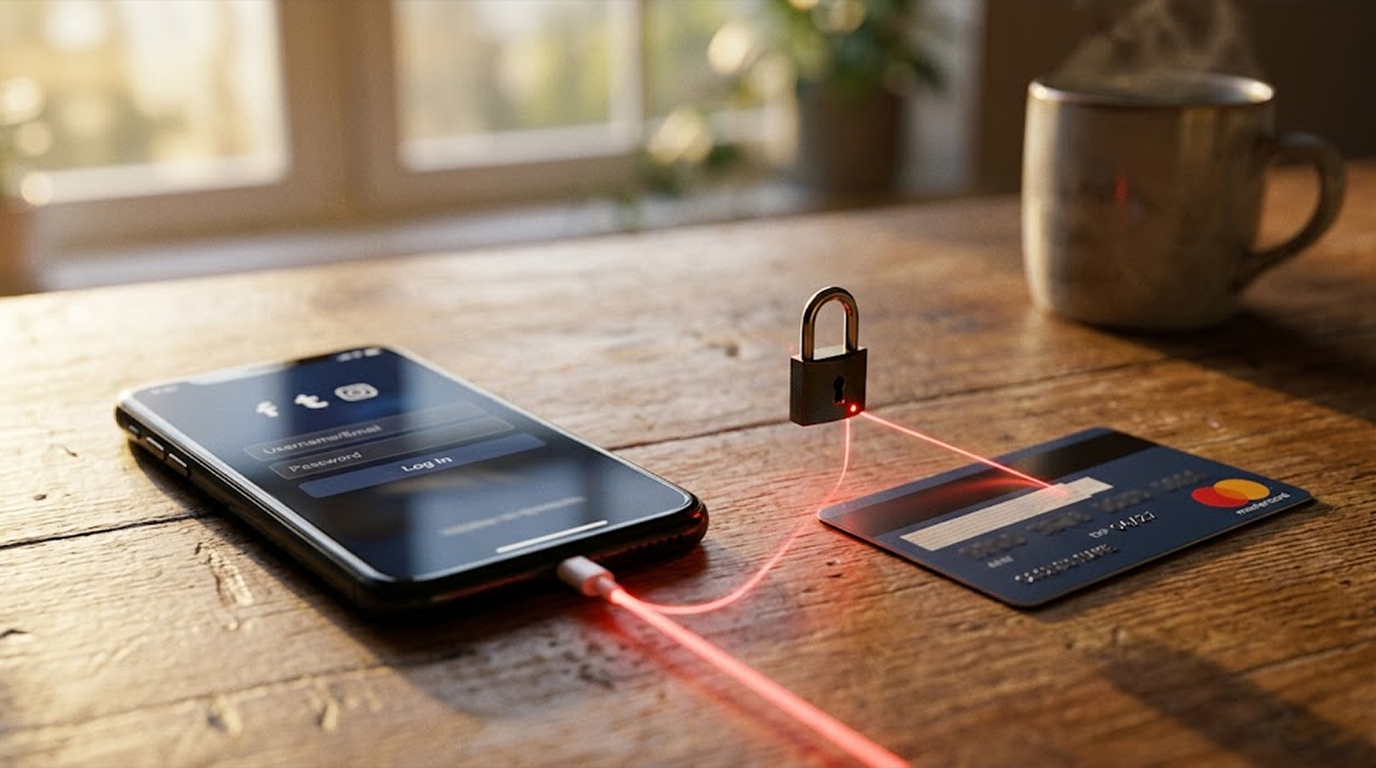
A stolen password. A reused credential. A quick phishing email that tricks someone into clicking. One small mistake is all it takes for an attacker to slip into your systems.
That’s why modern security isn’t just about firewalls and antivirus anymore.
It’s about not trusting anything by default, not users, not devices, not connections.
This is the heart of Zero Trust.
Zero Trust is simple at its core:
Never trust. Always verify.
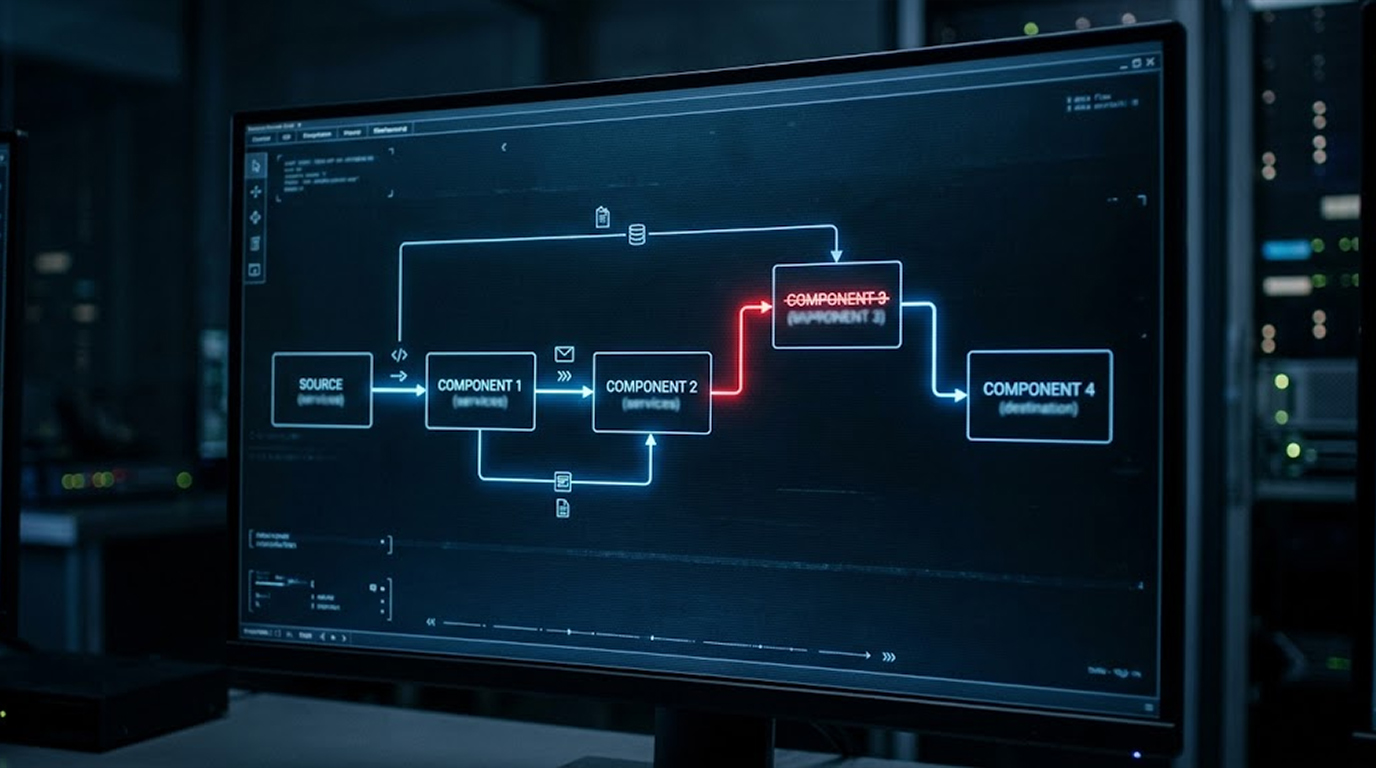
Every access request is checked. Every device is validated. Every action is monitored. No shortcuts, no assumptions.
But Zero Trust on its own isn’t enough. You need strong identity protection to back it up — and that’s where Multi-Factor Authentication (MFA) comes in.
Passwords get stolen every day.
MFA makes sure that even if someone has the password, they still can’t get in. A one-time code, a mobile prompt, a biometric check, just one extra layer that stops attackers cold.
Then comes secure access controls, the part most businesses overlook.
It’s not about giving people access to everything. It’s about giving them access only to what they need:
1. Least privilege
2. Segmented networks
3. Role-based access
4. Strong authentication
5. Continuous verification
When Zero Trust, MFA, and proper access controls work together, you get a system that’s incredibly hard for attackers to break into. Even if they steal a credential, they hit a wall. Even if they compromise a device, they get nowhere.
It turns your environment into a maze with locked doors, not an open building.
In a world where attacks are constant, identity is the new perimeter.
Protect it, verify it, and never take access for granted.