Social Media
You wake up, you try to log in to Instagram, and the password does not work. You try the recovery email, and that does not work either. Someone has taken over your account, and your first thought is not about photos or followers, it is about money.
Can they get to my bank?
The honest answer is that it depends on a handful of specific things, and most of them are within your control right now, before anything happens. Here is how account takeover actually turns into financial access, and where the line usually sits.
Important Disclaimer
This article is intended for educational and defensive purposes only, and the information shared here is meant to help everyday users understand how account takeover can escalate into financial fraud so they can protect themselves.
Do not use these techniques against systems you do not own or do not have explicit written permission to test, because unauthorized testing is illegal in most jurisdictions.
The author assumes no liability for any damages, legal consequences, or other outcomes resulting from the use or misuse of this information, so always act quickly if you suspect a compromise, and stay legal, stay ethical, stay responsible.
The Short Answer
A social media hack by itself does not give anyone access to your bank account, because your bank is not connected to your Instagram.
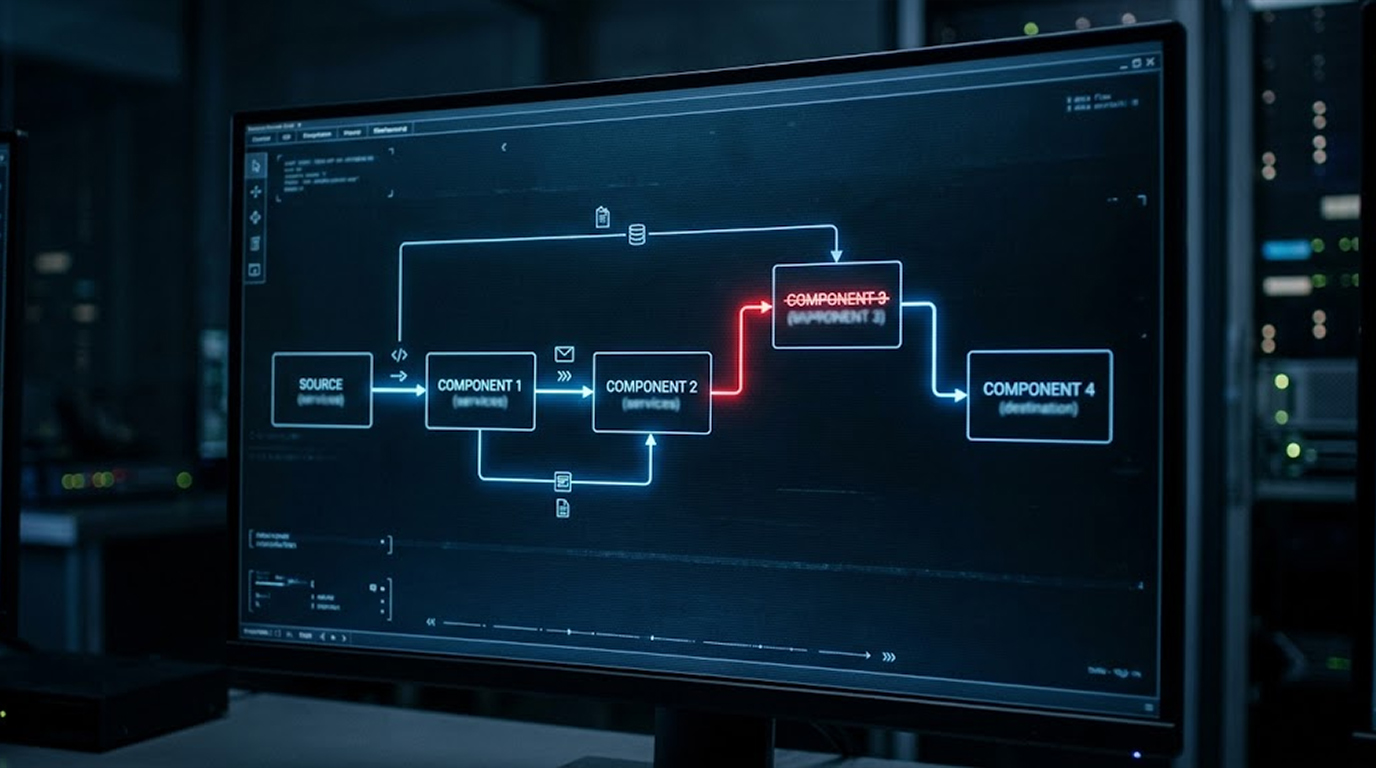
But a social media hack is often the first step in a chain, and the chain works because of what the attacker learns and what you have connected. When the chain completes, they can reach your money, and when it does not, they usually cannot.
So the real question is whether your setup completes the chain, and there are main ways it does.
Path 1: You Reused the Password
This is the most common path, and it is also the easiest to close.
If you used the same password for your social media and your bank, and the attacker obtained that password, then the bank is already compromised. They do not need to hack anything else. They just log in.
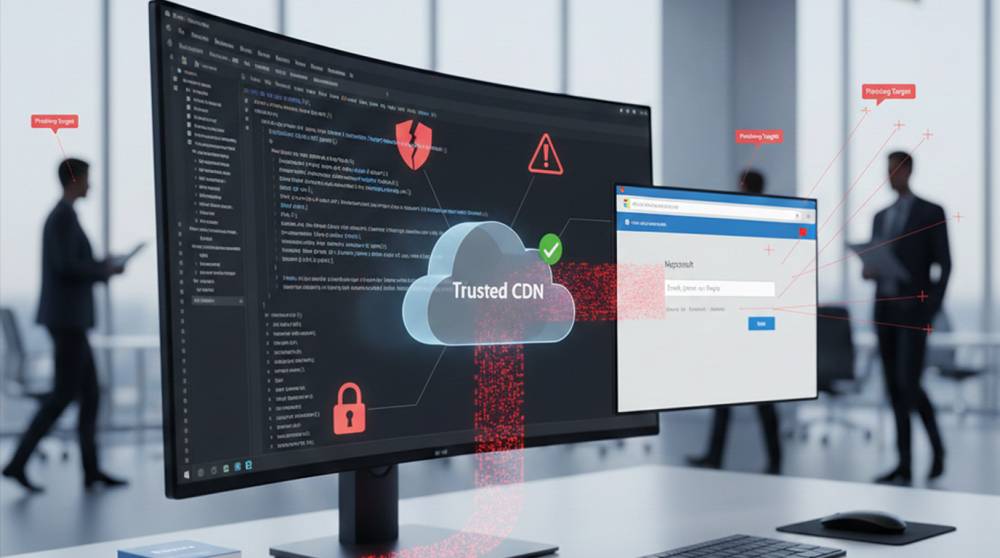
This happens more often than people think because password reuse is extremely common, and because a social media breach or a phishing page that captures your login gives the attacker a credential they can try everywhere.
How to tell if you are exposed. Ask yourself whether the password you used on the hacked account also works on any financial account, and be honest about it, because most people know the answer.
How to fix it. Change the bank password immediately if there is any overlap, and change it everywhere else that shares the same credential. Then use a password manager going forward so every account has a unique password.
Path 2: The Recovery Email Is the Same
This is the path most people overlook, and it is the one that turns a single compromise into a cascade.
Your recovery email is the master key to every account that uses it. If the attacker takes over your email, they can request a password reset on almost anything, including your bank, and the reset link arrives in a mailbox they now control.
Social media accounts often use the same email as everything else, which means a social media takeover can be a stepping stone to the email, and the email is the stepping stone to everything.
How to tell if you are exposed. Check which email address is set as the recovery method on your social accounts, and check whether that same address is the recovery method on your bank and on your primary email.
How to fix it. Secure the email first, always. It has the highest priority, because everything else resets through it. Turn on two-factor authentication there before anything else, and use a strong unique password.
Path 3: They Can Read Your Messages
Some banks and financial services still send verification codes by SMS or through in-app messages, and some people keep sensitive financial information in their social media direct messages.
If the attacker has access to your social account, they may be able to read conversations that contain account details, or they may be able to intercept a code if the account is linked to a phone number they have taken over.
This path is less common than password reuse, and it is more common than most people assume.
How to tell if you are exposed. Scroll through your direct messages and ask whether any of them contain account numbers, card details, or verification codes, and check whether your bank sends codes to a number that could be ported.
How to fix it. Delete sensitive conversations, switch your bank notifications to an app rather than SMS where possible, and ask your mobile carrier to add a port-out PIN to your account so nobody can transfer your number without it.
Path 4: The Account Is Linked to Payments
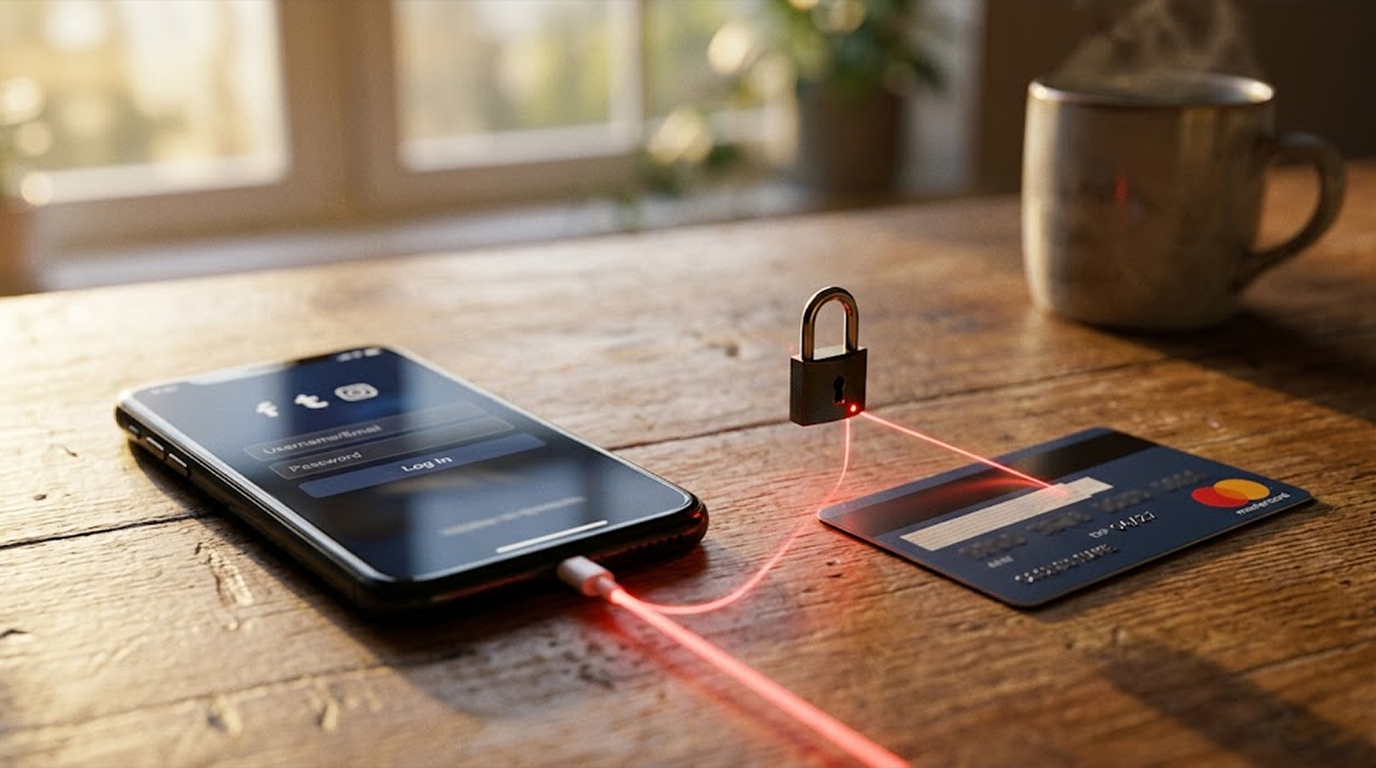
Many social platforms now include payment features, marketplace transactions, subscriptions, and saved card details.
If your card is stored in the platform, an attacker with access to the account may be able to make purchases, change the linked card, or use the account to run fraud that is harder to trace.
This is not the same as draining your bank account, and it is still money leaving your account, which is why it matters.
How to tell if you are exposed. Check whether you have saved payment methods, active subscriptions, or an advertising account with a card on file.
How to fix it. Remove saved cards from social platforms, cancel anything you do not recognize, and check your card statement for small charges that could be tests before a larger one.
Path 5: SIM Swapping and Phone Number Takeover
This is the most severe path, and it is also the least common, because it requires the attacker to convince your mobile carrier to move your number to a SIM they control.
If that succeeds, every SMS based verification code now goes to them, which means every account protected only by SMS is now open, including your bank.
Social media accounts are often the reconnaissance step, because they reveal your phone number, your carrier, and enough personal details to answer the security questions a carrier might ask.
How to tell if you are exposed. If your phone suddenly loses signal, shows no service, or stops receiving texts, that is the warning sign, and it is urgent.
How to fix it. Contact your carrier immediately, add a port-out PIN or account lock, and move away from SMS based two-factor authentication on your bank and email, using an authenticator app or a hardware key instead.
What Attackers Usually Do With a Social Hack
Most social media compromises are not aimed at your bank, and it helps to understand the typical motives so you can gauge your actual risk.
- They sell the account to someone who wants the follower count or the handle.
- They run scams on your contacts, pretending to be you and asking for money or gift cards.
- Malware is spread using the account by sending links to your friends.
- They gather personal data for identity theft such as your full name, date of birth, location, and connections.
- They use it as a stepping stone to your email or other accounts, which is where the financial risk becomes real.
If the attack stops at the first four, your bank is probably fine. If it reaches the fifth, you need to act immediately.
Real Scenarios
Scenario 1: The Reused Password
The Setup
A user has the same password on Instagram, a shopping site, and their online banking, because it is easier to remember one password than three.
The Attack
The phishing page is used to get hold of the Instagram login information and then use that same information to access common services such as emails and banking.
The Result
The bank login works, and the attacker transfers funds before the user notices.
The Lesson
One reused password is the entire attack.
Scenario 2: The Recovery Email Cascade
The Setup
A user's social account and primary email both use the same password, and the email is the recovery method for the bank.
The Attack
The attacker gains control of the social account, locates the email address on the account, and uses the same password to log into the email.
The Result
A request for resetting the bank password is made, the email containing the instructions is received in the controlled mail box, and the attacker controls the bank account.
The Lesson
The email is the key and must be protected above all else.
Scenario 3: The SIM Swap
The Setup
A user's bank sends one time codes by SMS, and their phone number is publicly visible on their social profiles.
The Attack
The attacker gathers personal details from the social account, calls the carrier, and convinces them to port the number to a new SIM.
The Result
Every SMS code now goes to the attacker, and the bank account is drained over the following hours.
The Lesson
SMS is the weakest second factor, and it is the one that falls first when the phone number is taken.
Scenario 4: The Marketplace Fraud
The Setup
A user has a card saved in a social platform for ads and marketplace purchases.
The Attack
The attacker takes over the account and uses the saved card to run fraudulent transactions, or changes the payout details on the marketplace profile.
The Result
Money leaves the user's account, and the platform's fraud process takes weeks to resolve.
The Lesson
Saved payment methods are a direct line to your money, even when the bank itself is untouched.
Scenario 5: The Friend Who Sent Money
The Setup
A user's social account is compromised, and the attacker messages the user's contacts asking for a loan because of an emergency.
The Attack
Contacts fall for the message since it is sent through a familiar account and send money to an account controlled by the attacker.
The Result
The user's friends lose money, and the user's reputation suffers even though the user's own bank was never touched.
The Lesson
Sometimes the financial damage lands on the people around you rather than on you.
How to Protect Yourself Right Now
These are the steps that actually close the paths, and most of them take minutes.
1. Stop Reusing Passwords
Every account gets a unique password, and a password manager makes this practical. This single change closes the most common path.
2. Secure Your Email First
Your email is the recovery method for everything else, so give it the strongest password you have, turn on two-factor authentication, and check which devices are signed in.
3. Move Away From SMS Codes
Use an authenticator app or a hardware security key on your email, your bank, and your social accounts, because SMS is the weakest link.
4. Add a Port-Out PIN
Call your carrier and ask for a port-out PIN or an account lock, so nobody can move your number without it.
5. Remove Stored Payment Cards from Social Networking Sites
If a social networking site does not require your payment card, then get rid of it to keep it safe.
6. Review Connected Apps
Revoke access for apps you no longer use, because an old connection is a standing door into your account.
7. Turn On Login Alerts
Enable notifications for new logins, and take them seriously when they arrive, because the first alert is the best chance you have.
8. Cleaning Up Your Direct Messages
Remove any conversations that include your account information or passwords, and don’t use social media for finances.
9. Check the Recovery Options on Every Important Account
Make sure the recovery email and phone number are current, and make sure they are not the same account that just got compromised.
10. Act Immediately If Something Looks Wrong
If you lose access to your email, if your phone loses signal, or if you get a login alert you did not trigger, treat it as urgent and start with the email.
Quick Reference: Account Takeover to Bank Access
|
Path |
Risk Level |
First Fix |
|
Password reuse |
Very high |
Change bank password now |
|
Shared recovery email |
Very high |
Secure the email first |
|
Readable messages |
Moderate |
Delete sensitive conversations |
|
Saved payment methods |
Moderate |
Remove cards from social platforms |
|
SIM swapping |
High when it happens |
Add a port-out PIN |
The Bottom Line
A social media hack alone does not open your bank, and a social media hack plus password reuse does, and a social media hack plus a shared recovery email does, and a social media hack plus a ported phone number does.
The chain is what matters, and the chain has four links, and each one can be broken with a change that takes minutes to make.
Stop reusing passwords, secure the email first, move off SMS codes, add a port-out PIN, and remove saved cards from platforms that do not need them.
Do those five things and a social media hack becomes an inconvenience rather than a financial emergency.
The attacker does not need to be brilliant. They only need you to have left one link intact.
FAQ
If my Instagram is hacked, can they access my bank?
Not directly, but they can if you reused the password, if the recovery email is shared, or if they can port your phone number.
What should I secure first after a hack?
Your email, always, because it is the recovery method for everything else and resetting other accounts depends on controlling it.
Is SMS two-factor authentication safe enough?
It is better than nothing, and it is the weakest option, so move to an authenticator app or a hardware key where possible.
How do I know if my phone number has been ported?
Your phone loses signal, shows no service, or stops receiving texts, and this is urgent, so contact your carrier immediately.
Are they able to take any money using saved payments in social media sites?
Yes, if the card is saved in the social media site, the hacker who has access to your account may be able to misuse it or modify its information.
What if I only used the hacked password on that one account?
Then the risk is much lower, and you should still change it, check for connected apps, and watch for login alerts on your other accounts.