Voice cloning uses artificial intelligence to replicate a person’s voice. While this technology offers benefits, such as aiding individuals who’ve lost their voice, it’s also a tool for cybercriminals.
How Voice Cloning Works
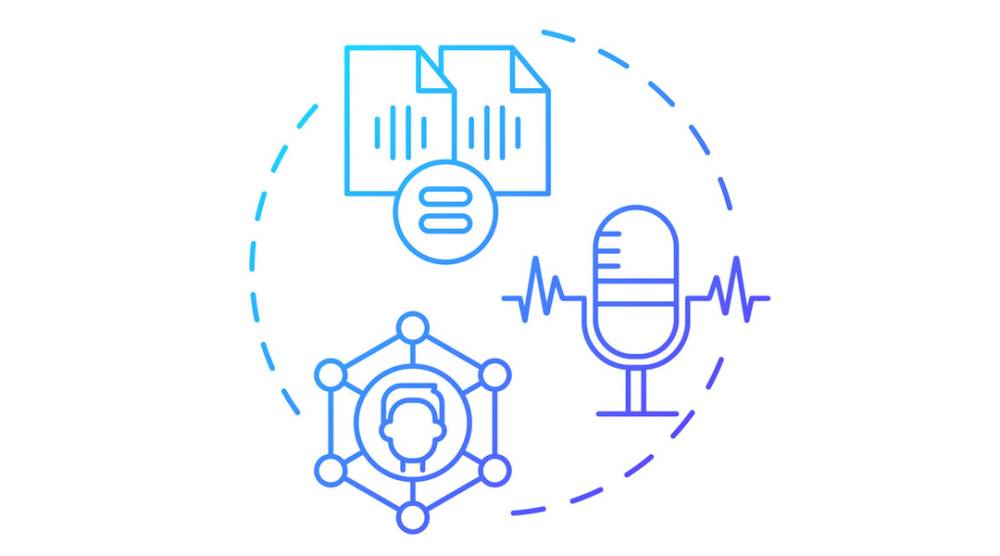
Voice cloning relies on machine learning. AI models analyze voice recordings, learning patterns, tone, and cadence. With enough data, the model produces a near-perfect imitation.
Cybersecurity Risks
- Social Engineering Scams
Attackers use cloned voices to impersonate colleagues, executives, or loved ones. They might request urgent financial transfers or sensitive information. - Fraudulent Transactions
Banks and companies that use voice authentication may be tricked into granting access to accounts or approving transactions. - Reputation Damage
Cloned voices can spread false messages, causing harm to personal or corporate reputations.
Real-World Examples
- Corporate Fraud: A company executive’s cloned voice was used to request a large money transfer, resulting in financial losses.
- Impersonation Calls: Scammers mimic family members in distress to manipulate victims into sending money.
Protecting Against Voice Cloning
- Strengthen Authentication
Use multi-factor authentication (MFA) instead of relying solely on voice recognition. - Limit Voice Data Sharing
Be cautious about sharing voice recordings publicly, especially on social media. - Adopt Detection Tools
Invest in technologies that can identify synthetic voices or audio manipulation. - Educate and Train
Teach employees and the public to recognize potential voice cloning scams. - Monitor Unusual Requests
Verify unusual requests through independent channels before acting on them.
The Future of Voice Cloning
As voice cloning tools become more accessible, awareness and proactive security measures are key. Organizations and individuals need to stay vigilant to combat this emerging threat.