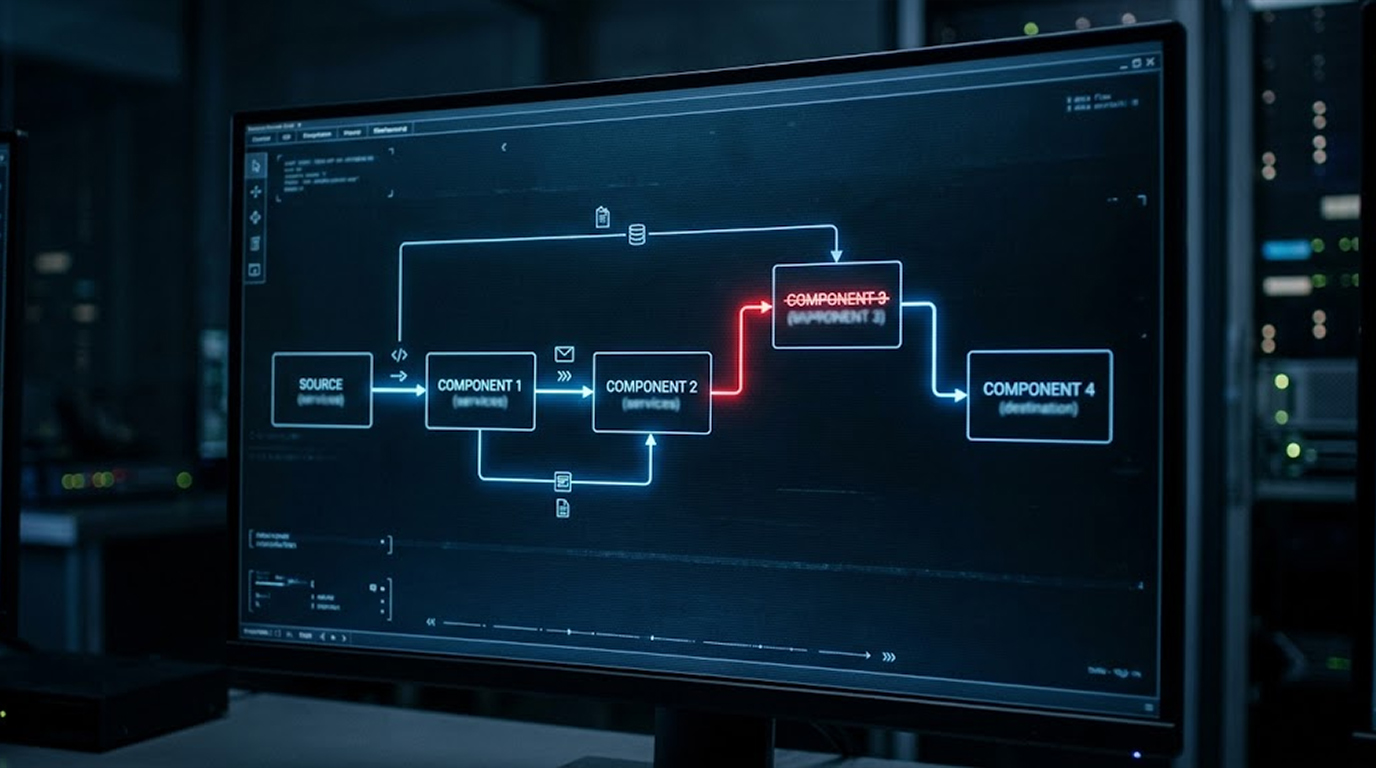
You ever deal with malware that just… doesn’t behave? Not the usual “oh it’s scanning, stealing, done” kind, but something that sits there quietly for days, barely doing anything, and then out of nowhere starts spamming connections, spreading, acting like it owns your network?
Yeah. That’s basically a Tsundere Botnet.
The term comes from anime, where a character is hot-and-cold angry one moment, kind the next. Sounds funny, right? But that’s actually a pretty good way to describe certain modern malware. It pretends to be harmless, hides from detection, and only “shows its teeth” when it thinks the coast is clear.
Why It’s So Hard to Deal With
Traditional malware is predictable. You know the sequence: infect, spread, attack. You can trace it, analyze it, contain it.
But a Tsundere Botnet? Forget about it. One moment it’s calm, almost invisible. You check logs, nothing. You think, “Okay, maybe it’s done.” Then bam it wakes up, escalates privileges, exfiltrates data, and you’re chasing it like a cat chasing a laser pointer.
And the worst part? You start second-guessing yourself. “Did I miss it before? Is it just lying dormant?” It messes with your head, honestly.
How They “Act”
These botnets usually have two “modes”:
1. Passive mode – pretending nothing’s happening. Quiet, mimics normal traffic, looks innocent. You almost feel bad for it.
2. Aggressive mode – suddenly goes all out. Scans ports, spreads malware, launches attacks. Like it’s yelling: “I told you I wasn’t harmless!”
It’s like the malware has mood swings. You can’t rely on patterns. Signatures fail. Sandboxes fail. Behavioral analytics… sometimes fail.
Why This Matters
Attackers love this kind of malware because predictability is weakness. Humans and machines alike rely on patterns. Break the pattern, and defenses stumble.
The Tsundere Botnet concept is not literal (malware has no feelings), but it’s useful. It explains a trend: malware is becoming more adaptive, more evasive, more cunning. AI-driven attacks, environment-aware payloads they all feed into this unpredictability.
For defenders, it’s a lesson: expect the unexpected. Logs can lie. Malware can hide. And sometimes, it will pretend it’s innocent just to make your job harder.
A Tsundere Botnet is like fighting an opponent that keeps changing the rules mid-game. Frustrating. Smart. Dangerous.
You can’t beat it by expecting it to behave. You can’t beat it by relying on what worked yesterday. You beat it by staying alert, monitoring everything, and being ready for when it flips moods again.