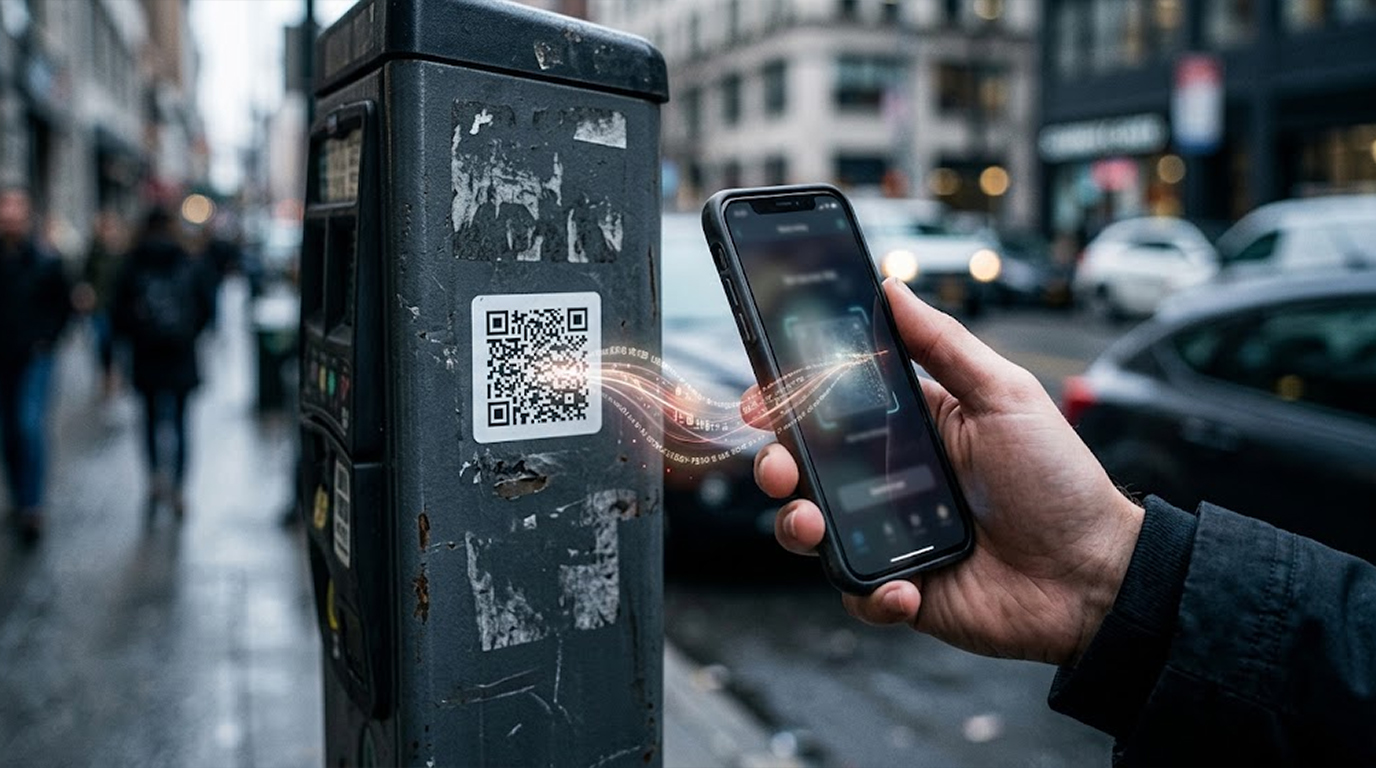
ToxicPanda Android Banking Malware
Security researchers just uncovered a major update to one of the nastiest Android malware families out there. ToxicPanda, which has been lurking around since 2022, just got a whole lot more dangerous.
The new version ToxicPanda 2.0 now packs 167 remote commands and goes after 349 financial institutions across 16 countries. That's a massive jump from the 16 banking apps it used to target. Zimperium zLabs found the update, and if you use Android with banking apps on your phone, you need to pay attention.
Let me walk you through what's happening and how to keep your money safe.
What Is ToxicPanda?
It's an Android trojan that abuses accessibility services to steal your banking credentials.This has been active since July 2022, however, the new one is revolutionary.
The Old Version:
- Targeted only 16 banking apps
- Limited country reach
- Basic remote commands
ToxicPanda 2.0:
- Hits 349 financial institutions
- Spread across 16 countries
- 167 remote commands
- Distributed via Amazon AWS buckets
How It Steals Your Data
The malware uses a few clever tricks to get what it wants.
Accessibility Service Abuse
ToxicPanda hijacks Android's accessibility features. This lets it see everything on your screen—your login details, your PIN, everything you type into banking apps. It's like someone looking over your shoulder, but digitally.
Fake Overlays
It throws up fake screens that look exactly like your bank's login page. You type in your credentials, and the malware grabs them. It can also show fake "system update" screens to hide what it's doing in the background.
PIN Harvesting
The malware can change your lock screen PIN to one the attacker chooses. It also steals your PIN using a fake overlay. Imagine someone changing your house locks without you knowing.
Wireless Debugging
ToxicPanda turns on Developer Options and Wireless debugging on your phone. This gives attackers deep access to your device like handing them the keys to your house.
Real-Time Communication
The malware talks to its C2 server through WebSocket. Attackers can then send commands and receive data back right away. It’s essentially a direct line of communication between the attacker and your phone.
What's New in ToxicPanda 2.0?
More Commands
167 remote commands mean attackers can do almost anything they want with your phone; steal data, send messages, install more malware.
Device Admin Privileges
The malware tricks you into granting Device Administrator rights. That's a big deal, it gives the malware even more control over your device.
Battery Optimization Bypass
ToxicPanda figures out what phone you have and stops your system from putting it to sleep. It stays running in the background, 24/7, waiting for commands.
Cloud Distribution
The attackers are now using Amazon AWS to host their malware. This lets them scale up their operation and reach more victims.
GoldDigger: Another Banking Trojan on the Rise
ToxicPanda isn't the only threat. GoldDigger is making waves as well.
What is GoldDigger?
GoldDigger is a banking trojan for Android that has been spotted since October 2023. It is connected to GoldFactory, which is a threat actor who speaks Chinese.
Where Is It Targeting?
The targets are South Africa and the United Kingdom currently. This malware impersonates airlines and shopping retailers to trick victims.
How It Operates
You install an app which you think is a real one, provide access permission, and bingo! All your information has been stolen from then on.
What Does It Do?
- Injects fake input into the banking application
- Live monitoring of your screen
- Steals credentials via fake overlays
- Audits and records videos from your phone
- Streaming all to the attackers
How to Protect Your Phone
Check Your Apps
Go through your installed apps right now. Delete anything you don't recognize. Be especially careful of apps that claim to be from airlines or retailers, those are common lures.
Look at Permissions
Before you grant any app permission, ask yourself: does this app really need accessibility access? Does it need Device Administrator rights? If the answer is no, don't grant it.
Stick to the Play Store
Only download apps from Google Play. Even then, check the developer's name and read reviews. If something feels off, skip it.
Update Your Phone
Install Android updates as soon as they're available. Keep your security software up to date.
Turn On Two-Factor Authentication
Use 2FA for all your online accounts. Keep an eye on your bank statements for anything unusual.
The Bottom Line
ToxicPanda 2.0 is a serious threat. It is more powerful, pervasive, and difficult to contain. GoldDigger has also become prevalent, with South Africans and UK users being targets of attack.
Here's What You Should Know:
- ToxicPanda 2.0 targets 349 financial institutions
- 167 remote command functions allow attackers to control everything
- GoldDigger has been seen in South Africa and the UK
- The malware disguises itself as airlines and retailers
What You Need to Do:
- Go through installed applications
- Review application permissions
- Install only from authentic sources
- Keep your phone up-to-date
- Utilize two-factor authentication
FAQ Section
What is ToxicPanda Android banking malware?
It is an Android trojan that steals banking credentials through accessibility services. The recent version aims at 349 financial institutions in 16 different countries.
What is new in ToxicPanda 2.0?
It includes 167 remote commands, PIN stealing, Wireless Debugging exploits, and wider targeting. It also uses Amazon AWS for distribution.
What is GoldDigger?
It's another Android banking trojan that impersonates airlines and retailers. It's currently targeting South Africa and the UK.
How does GoldDigger work?
This malware uses fake overlay, input injection, and screen access to steal credentials and defraud users.
What should Android users do?
Android users need to look at their apps, check for permissions, download only from safe sources, upgrade their device, and use 2FA.