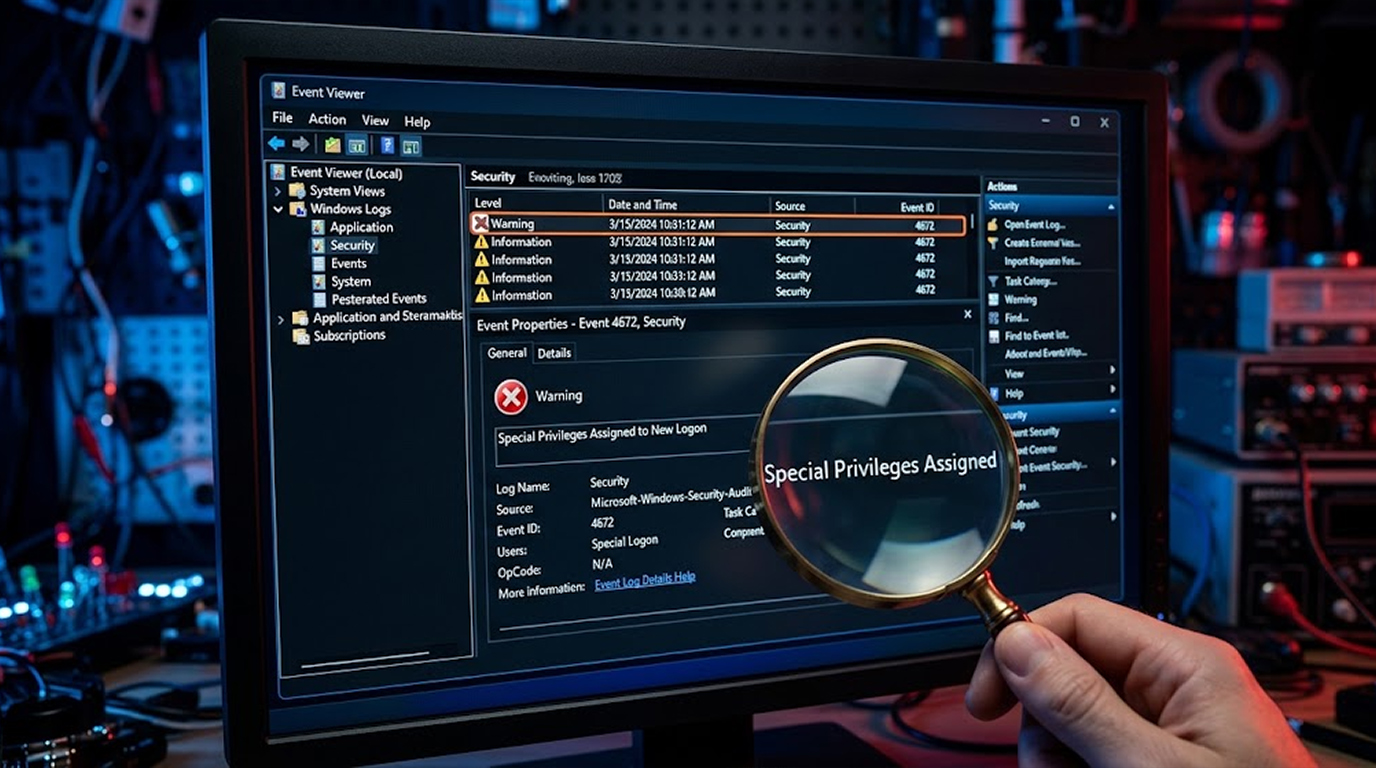
Breaking web apps usually doesn’t start with zero-days or Hollywood hacking.
It starts with someone opening the same tools developers and testers already know.
The difference isn’t the tool.
It’s how patiently and creatively it’s used.
The Usual Starting Point: Browsers and Proxies
Every serious web attack starts in a browser.
Attackers don’t rush.
They click. They submit. They observe.
Then they add a proxy.
Common tools:
1. Burp Suite
2. OWASP ZAP
3. Browser dev tools
What they’re used for:
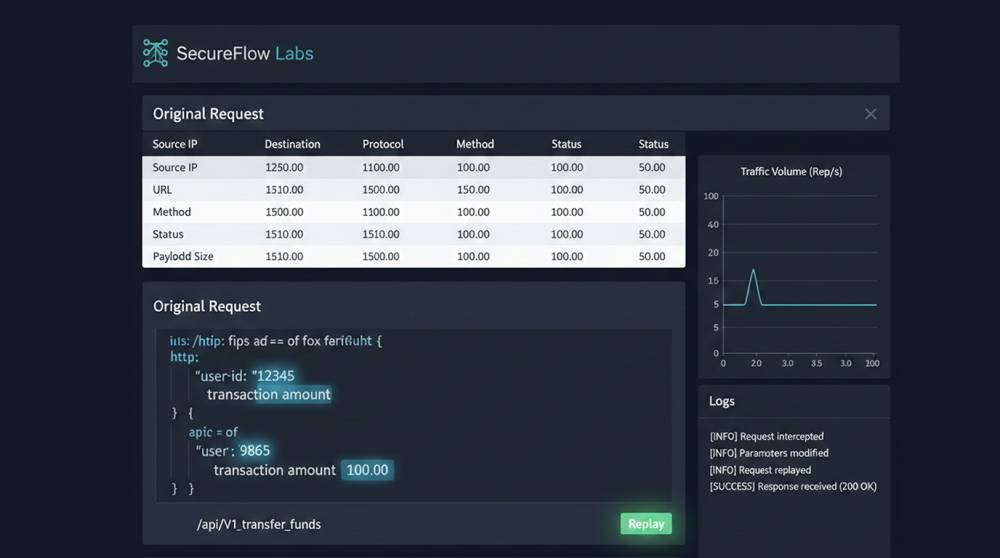
1. Intercepting requests
2. Modifying parameters
3. Replaying actions
4. Watching how the backend reacts
What it looks like in logs:
1. Repeated requests with tiny changes
2. Parameters appearing that don’t exist in the UI
3. Same endpoint hit dozens of times
If someone sends 50 versions of the same request, they’re not confused.
They’re testing trust.
Parameter Tampering Tools
What attackers test:
1. Can prices be changed?
2. Can roles be modified?
3. Can IDs be swapped?
Example:
POST /api/order
price=10
Becomes:
price=1
Or:
user_id=123
Becomes:
user_id=124
Tools used:
1. Burp Repeater
2. Burp Intruder
3. Simple curl scripts
Log clues:
1. Same user accessing many IDs
2. Requests that never match UI behavior
3. Unusual parameter combinations
Broken authorization rarely looks dramatic.
It looks repetitive.
Automated Scanners
Attackers don’t always avoid scanners.
They just tune them.
Common tools:
1. Nikto
2. Nuclei
3. sqlmap
4. Custom Python scripts
What they probe:
1. Known vulnerable paths
2. Misconfigured headers
3. Injection points
4. Forgotten endpoints
What logs show:
1. Requests to endpoints that don’t exist
2. Old admin paths
3. Rapid 404s mixed with valid hits
If someone requests /admin, /old, /backup, and /test, they’re not guessing.
They’re checking history.
Injection Testing Tools
Injection is still alive.
It’s just quieter.
Tools attackers use:
1. sqlmap
2. Burp Intruder
3. Manual payload testing
Typical payloads:
1. ' OR 1=1 --
2. JSON manipulation
3. Nested input abuse
Log indicators:
1. Special characters in inputs
2. Database errors returned to clients
3. Same input field tested repeatedly
Attackers don’t expect success immediately.
They’re watching how errors behave.
API Abuse Tools
APIs are attacker-friendly by design.
Common tools:
1. Postman
2. curl
3. httpie
4. Burp
What attackers test:
1. Missing authorization checks
2. Excessive data exposure
3. Rate limit bypasses
Example:
curl /api/users/1
curl /api/users/2
curl /api/users/3
Log patterns:
1. Sequential object access
2. One user touching many records
3. Valid tokens used in invalid ways
APIs break quietly.
They rarely crash.
Authentication Testing Tools
Not brute force.
Validation.
Tools:
1. Burp Intruder
2. Hydra (low and slow)
3. Custom scripts
What logs show:
1. Few failures across many accounts
2. Password resets triggered unusually
3. Login attempts followed by API access tests
If someone tests five passwords across ten accounts, they’re mapping policy.
File Upload and Download Tools
Attackers love upload features.
Tools used:
1. Burp
2. Custom scripts
3. curl
What they test:
1. File type validation
2. Path traversal
3. Execution after upload
Log clues:
1. Multiple upload attempts with different extensions
2. Downloads of files that shouldn’t be accessible
3. Access to temporary or staging folders
If uploads fail repeatedly, someone is learning.
Why These Tools Work
1. They use standard protocols
2. They don’t trigger endpoint security
3. They look like QA activity
4. They blend with real traffic
Attackers don’t rush web apps.
They study them.
Real-World Pattern
In one assessment:
1. One IP tested 40 parameter variations
2. Enumerated user IDs via API
3. Uploaded 6 file formats
4. Triggered minor errors, then stopped
Two days later, data was accessed cleanly.
The work was already done.
Practical Detection Tips
1. Alert on parameter manipulation patterns
2. Track sequential object access
3. Watch for API abuse, not volume
4. Correlate web and backend logs
5. Compare behavior to real user flows
Ask this simple question:
“Would a real user ever do this?”
A Simple Analogy
Breaking a web app is like testing doors in a hotel.
Most are locked.
You’re looking for the one that isn’t.
You don’t kick doors.
You try handles.
Web apps usually aren’t broken by exotic tools; they’re broken by familiar ones used patiently.
If you understand how these tools appear in logs, you don’t need to guess intent.
It becomes obvious.