In today’s digital world, cybercriminals are evolving their tactics. One particularly devious strategy involves phony call centers that trick unsuspecting users into installing ransomware or data-stealing malware on their devices. These fake call centers, masquerading as legitimate tech support or service providers, create a facade of trust before ensnaring their victims.
The Anatomy of a Phony Call Center Scam
These scams often start with a fake alert or pop-up on a user’s screen claiming that their computer is infected or their system is compromised. The pop-up provides a phone number for "immediate help" from technical support. Upon calling the number, users are connected to a fraudulent call center where fake technicians use social engineering to gain access to the victim's computer.
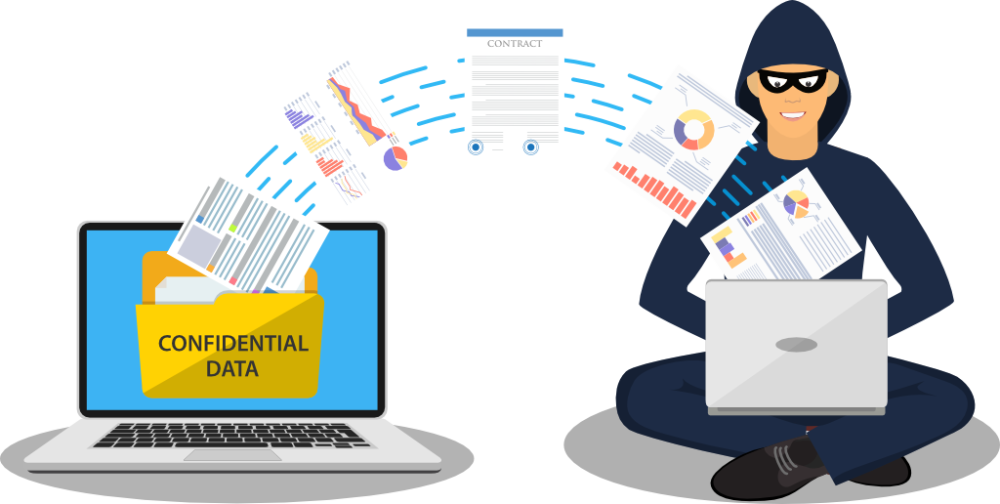
The scammers may request remote access to "fix" the issue, and once granted, they install ransomware or data-stealing malware. Ransomware locks up the user's files and demands a ransom for their release, while data-stealers siphon off sensitive information like passwords, bank details, and personal documents.
Common Tricks Used
- Urgency and Fear Tactics: Fraudsters create a sense of panic, pressuring the victim to act quickly without thinking critically.
- Impersonating Trusted Brands: Scammers often pose as representatives from well-known companies like Microsoft, Apple, or even your bank.
- Offering Fake Solutions: These “technicians” convince users that they can solve their issues for a fee or trick them into installing software that contains malware.
Why These Scams Are Effective
Fake call centers capitalize on the average user's lack of technical knowledge. Many people are unfamiliar with malware and its installation methods, which makes them vulnerable to these types of social engineering attacks. Additionally, the personal interaction with a human voice on the other end of the line builds a false sense of security.
Prevention Tips
- Don’t Trust Pop-Up Alerts: Never call a number provided in a pop-up or email alert.
- Verify with the Official Source: Always go to the company's official website to verify any claims.
- Use Strong Security Software: Install reputable antivirus software that can detect and block malicious pop-ups and phishing attempts.
- Be Wary of Remote Access Requests: Never allow someone you don’t know to remotely access your computer unless it’s a verified source.
As cybersecurity threats become more sophisticated, it’s crucial to stay informed about the latest tactics used by cybercriminals. Phony call centers are just one of the many ways attackers can deceive users into compromising their own security. By being aware of the warning signs and taking steps to protect yourself, you can reduce the risk of falling victim to these scams.