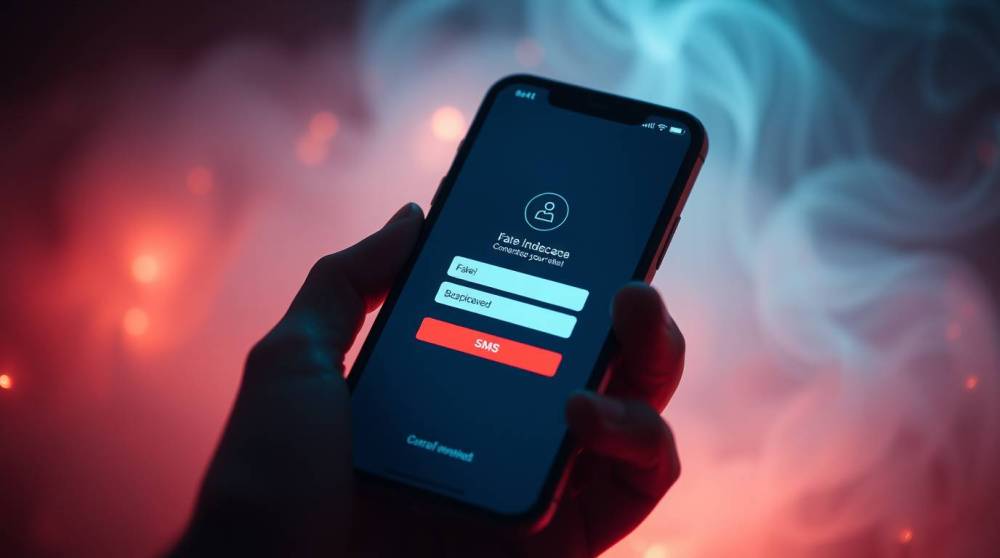
Employees received a text from Unknown It said a package failed delivery. The link led to a page asking for payment and account details. The data went straight to attackers.
This is mishing. Attackers send links through SMS or messaging apps. Users enter credentials, attackers take them immediately.
Mishing works fast. Mobile screens hide full URLs. Users tap links without thinking. Pages mimic real services.
How attackers operate:
1. Domains last a few hours.
2. Pages copy banking, delivery, or messaging sites.
3. Pages change depending on device or location.
Why it matters:
1. Attackers access email, cloud tools, and company apps.
2. SMS bypasses email filters.
3. Attacks happen before IT can respond.
How to protect users:
1. Block links with mobile threat tools.
2. Train employees to verify messages.
3. Track fake domains.
4. Require strong multi-factor authentication.
5. Test employees with simulated SMS attacks.
Mishing targets behavior. Focus on training, monitoring, and mobile security to protect your company.