Containers make life easier for developers, you can build an app, package it, and deploy it anywhere. But convenience comes with risk, Images can be tampered with, and that risk often goes unnoticed until it’s too late.
I’ve seen it happen more than once, a team I worked with pulled a widely used image from a public registry. Everyone assumed it was safe. Weeks later, their monitoring system flagged unusual activity. When we investigated, we found hidden scripts in the container image quietly running in the background, it wasn’t flashy malware, it was subtle and dangerous because it went unnoticed for so long.
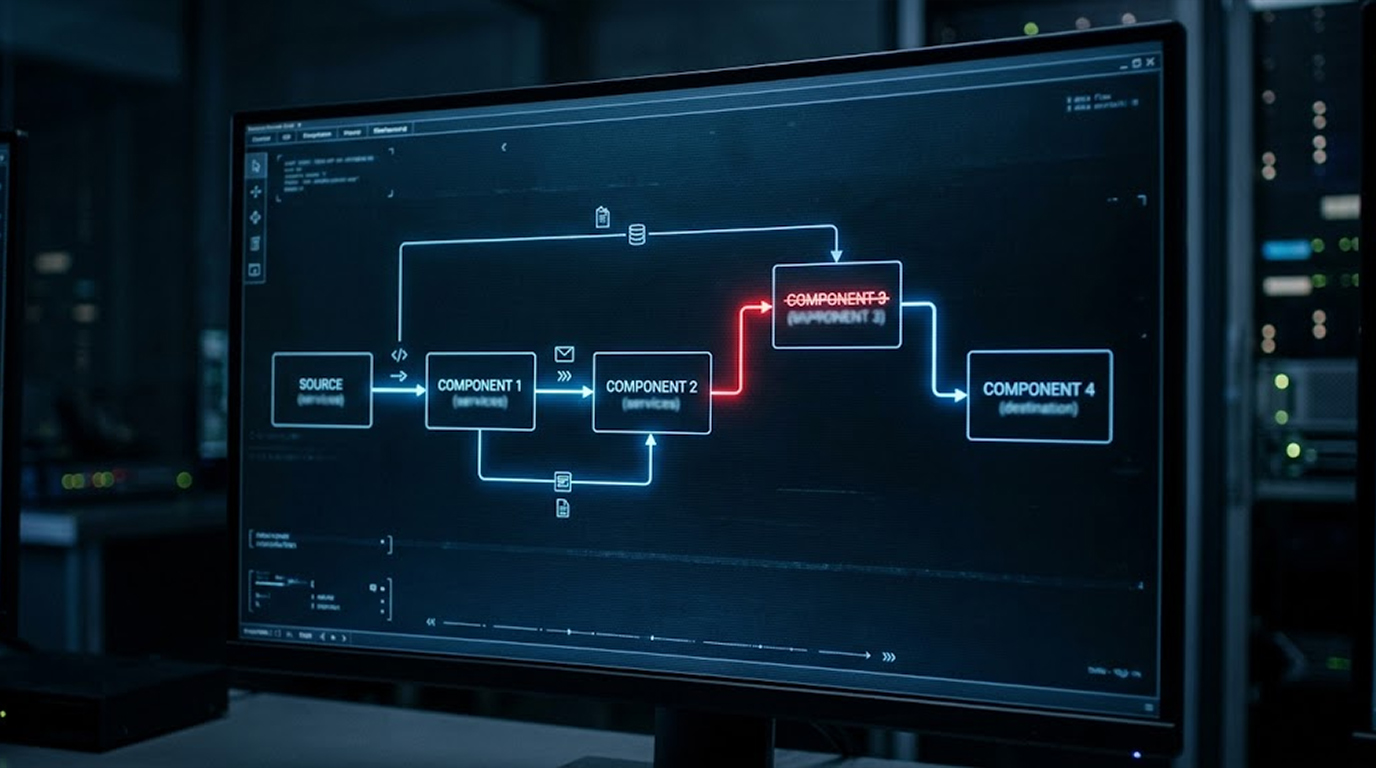
This is what container image tampering looks like, someone changes an image without permission, maybe adding a backdoor, malicious scripts, or tweaks to configurations, even a tiny modification can spread across many environments if that image is reused.
Public registries are convenient but risky. Private registries are safer, but they’re only as secure as the policies and controls you enforce. If access is too broad or pipelines aren’t monitored, a single mistake can compromise the whole workflow.
The consequences are serious, Malware can propagate, Sensitive data can leak, Systems can fail. But the real cost is trust, Teams and users rely on your software to be safe, once that trust is broken, it’s hard to regain.
Here’s what I recommend:
- Pull images only from trusted and verified sources.
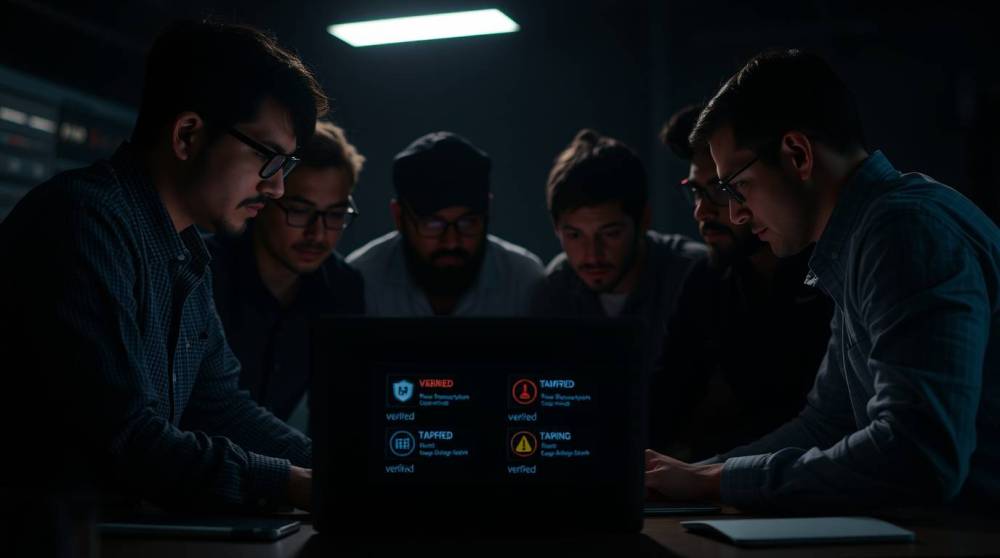
- Require image signing and check signatures before deployment.
- Scan every image for vulnerabilities before production.
- Limit who can push or modify images in repositories.
- Track image hashes and monitor for unexpected changes.
- Keep base images updated and remove outdated versions.
These are simple steps, but consistency matters, Security isn’t a checklist, it’s a habit. Every developer, DevOps engineer, and security team member has a role. Teams that make security part of their daily workflow catch problems earlier and reduce risk.
Think about the 2021 Docker incident, a popular image contained a cryptocurrency miner, Millions of users deployed it without noticing, a simple verification check could have stopped it, It’s a reminder: even trusted sources can fail.
At the end of the day, container image security isn’t just about tech, it’s about responsibility. Every image carries work, code, and trust. Protecting that integrity protects your systems, your users, and your reputation.
It might feel like extra work, slowing down deployments a bit, but taking the time to verify, monitor, and enforce accountability saves far more than it costs. Secure images mean secure applications, Secure applications mean trust, and trust is the foundation of every system we build.