Every year, malware gets a little smarter, a little smoother, and a lot more annoying. The days of shady pop ups screaming “Your computer is infected!” are mostly gone. Attackers realized people stopped falling for that somewhere around 2012.
So in 2025, malware takes a quieter route. It sneaks, blends in, and uses the tools you already trust. Think of it like an uninvited guest who strolls into your house while you hold the door open for someone else.
Here’s how attackers pull it off now.
1. Short Lived Links That Disappear Before Anyone Investigates
Phishing links used to last for days. Now they live for minutes.
Attackers spin up a fake login page, send it out, and shut it down as soon as they get a few hits.
By the time security teams start chasing it, the attacker is already onto Link Number 500.
It’s like chasing smoke with a net.
2. Compromised Browser Extensions
People trust extensions way more than they should. Attackers know this.
In 2025, one of the most common infection routes is:
1. Buy a small extension
2. Add some code
3. Push an update
4. Enjoy instant access to thousands of browsers
Nobody checks updates. And why would they? The browser installs them quietly at 2 a.m. while everyone is asleep.
3. Fake AI Tools and “Free AI Upgrades”
Attackers figured out the magic word: “AI.”
Offer someone a tool that claims to “boost productivity by 300%,” and suddenly they forget every cybersecurity rule mentioned in the last company meeting.
This year’s malware files often hide behind:
1. Fake AI assistants
2. Fake AI image generators
3. Fake AI browser helpers
4. Fake “AI antivirus” (yes, that’s a thing and no, it does not help)
If it has “AI” in the name, people trust it. Attackers love that.
4. Compromised Installers and Fake Updates
Malware doesn’t always come from shady websites.
Sometimes it arrives through something that looks painfully normal.
Attackers poison:
1. Software installers
2. Driver packages
3. “Update available” prompts
4. Mobile app APKs
And because everything looks official, people click without hesitation.
Software supply chain attacks aren’t just for nation states anymore. They’ve gone retail.
5. QR Codes in the Wild
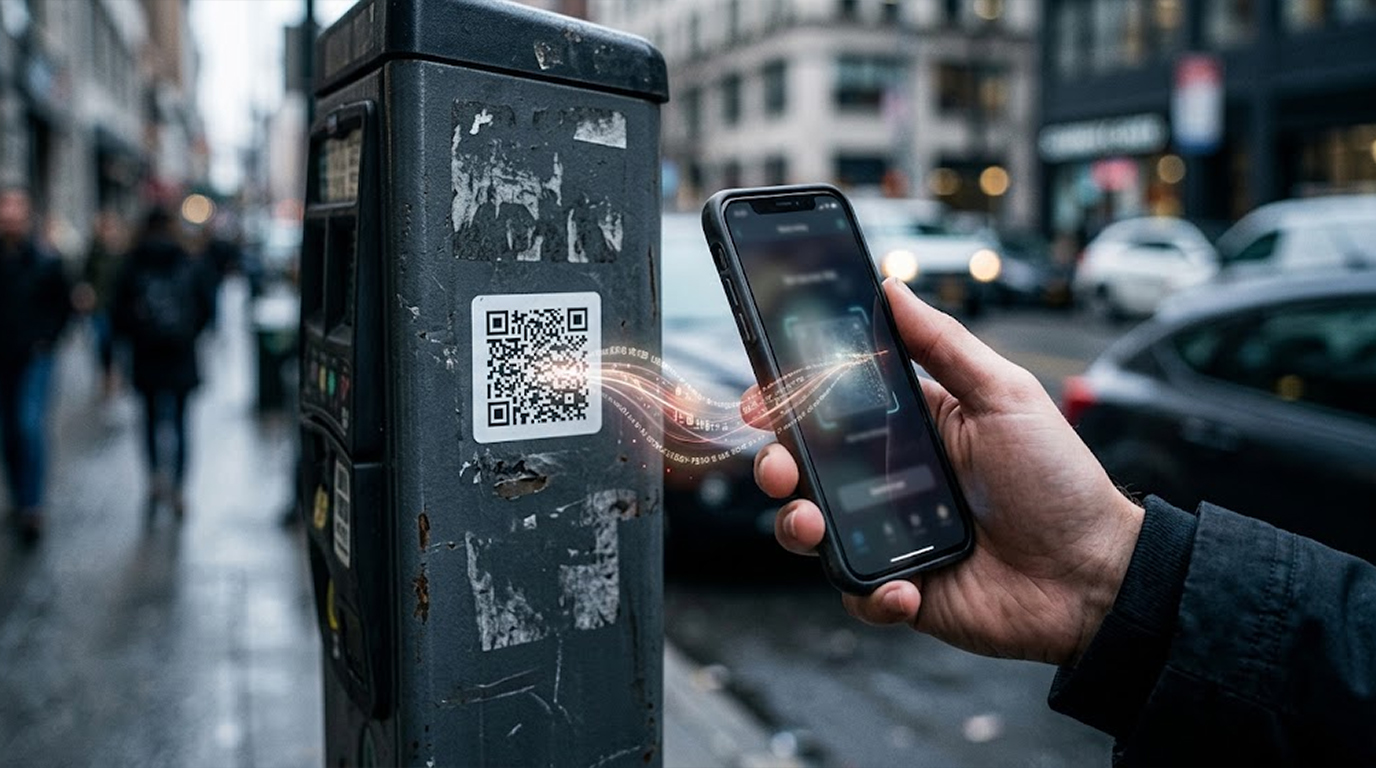
In 2025, QR codes are everywhere, restaurant tables, parking meters, posters, coffee shops.
Attackers take advantage of that.
They stick their own QR code over the real one and wait for someone to scan it. One scan leads to a fake site, and from there, malware gets cozy on your device.
If pre 2020 you thought QR codes were harmless, you’re not alone. Unfortunately, attackers didn’t forget about them.
6. “Helpful” Files Shared on Messaging Apps
People share everything through messaging apps now.
And attackers blend right in.
Common traps include:
1. Fake invoices
2. Fake resumes
3. Fake event invitations
4. Fake shared docs
5. Fake “You need to see this” messages
A single click on the wrong file, and you’ve adopted malware without filling out the paperwork.
How to Stay Safe in 2025
No one wants to live like every email is a trap from a spy movie. Thankfully, you don’t need to. A few habits go a long way.
1. Don’t install random extensions
2. Avoid “free AI tools” that appear out of thin air
3. Update devices from official sources only
4. Hover over links before clicking
5. Treat QR codes like strangers offering free candy
6. Keep your browser, OS, and apps updated
7. Use a password manager and 2FA everywhere
Modern malware relies on one thing: convenience.
Break the convenience, break the attack.