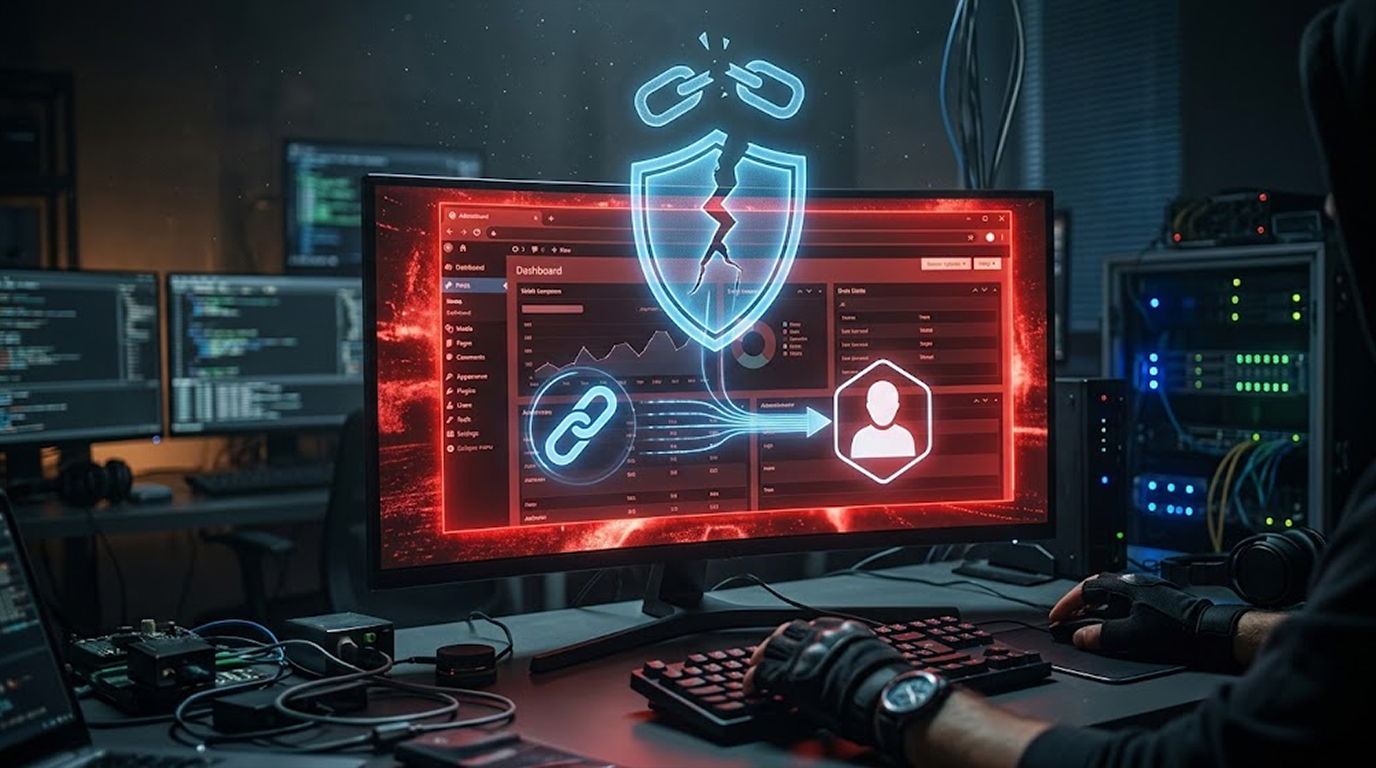
You trust your doctor with your secrets. Your medical history, your medications, your mental health struggles, your most private concerns. You assume that information is safe. You assume the healthcare system is protecting it.
But when a cyber attack hits a healthcare provider, that trust is shattered. And worse, your actual care can be disrupted.
Let me show you how stolen health information affects treatment, and why this is a problem that is not going away.
The Scale of the Problem
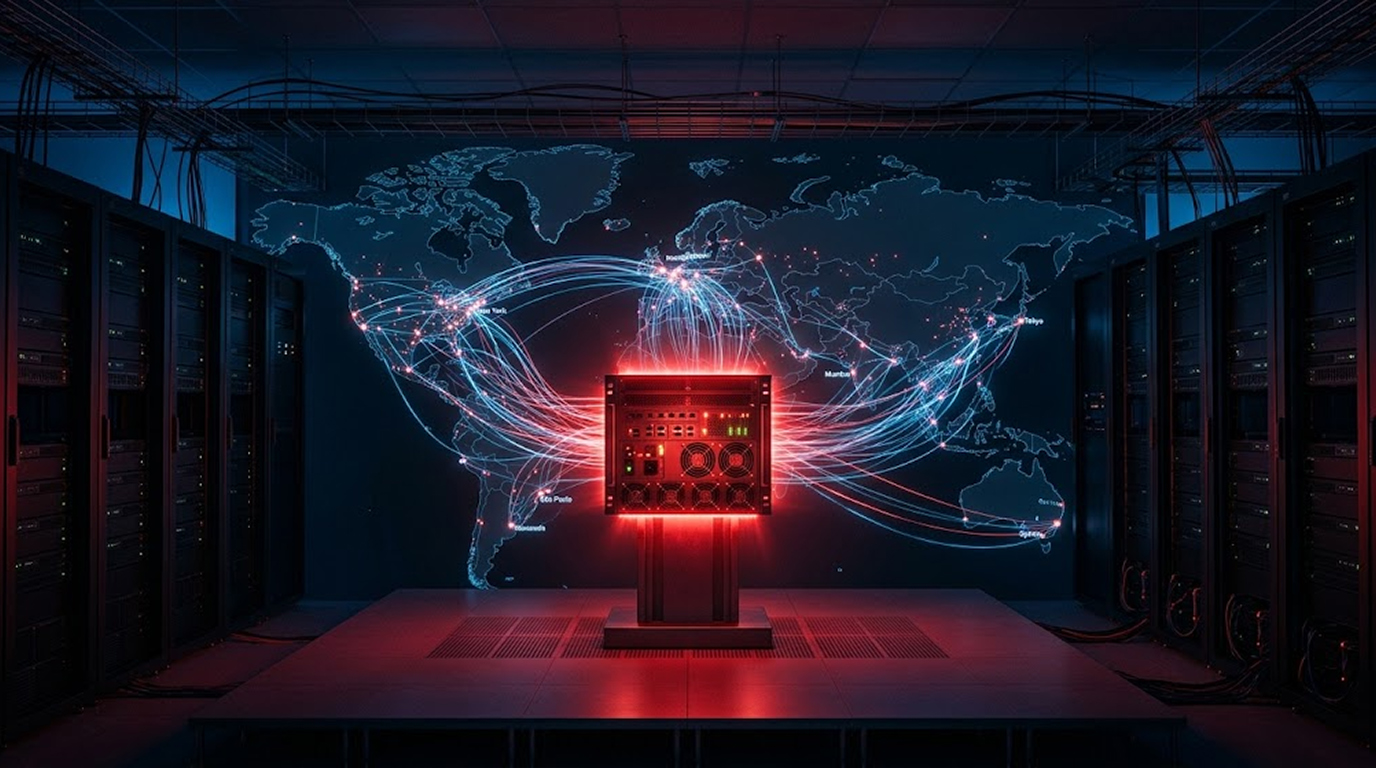
Health data breaches are happening more often than you think. In Australia alone, health providers were the single largest source of data breach notifications, reporting more than 200 breaches last year. Across the globe, the numbers are staggering.
In the United States, the Change Healthcare breach affected nearly 2.2 million Iowans alone, and that was just one state. Social Security Numbers, Driver’s License numbers, health information, medical records, and billing information were among the information breached.
In the UK, one of the largest hospital trusts confirmed that thousands of patient test results were stolen. The breach involved thousands of records, with data taken from a third-party testing provider. Another trust revealed that almost 33,000 patients had their data stolen in the same hack.
These are not isolated incidents. They are part of a pattern.
How a Healthcare Breach Actually Disrupts Treatment
You might think a data breach is just about stolen information. But the disruption goes much deeper.
Disruption 1: Taking Systems Offline
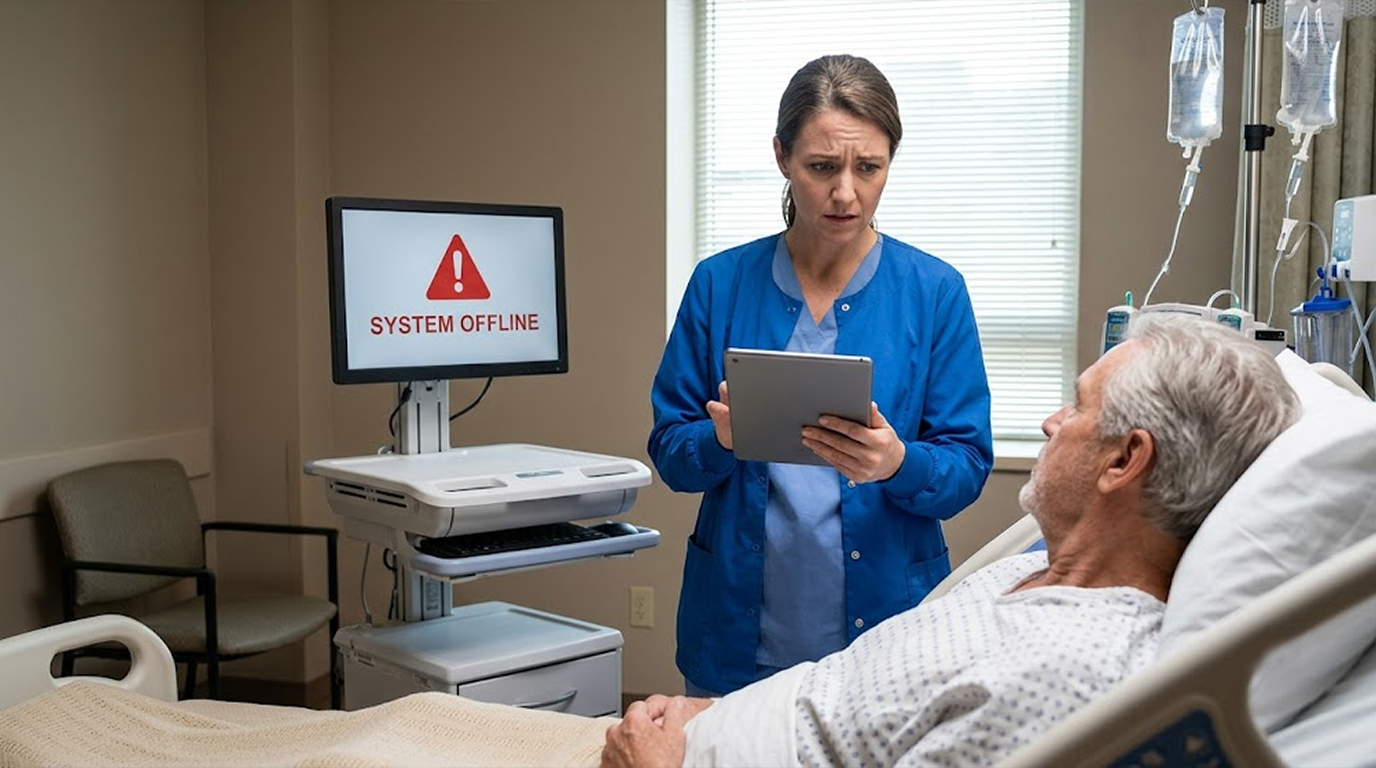
After identifying a breach, the typical response for hospitals is to take the system offline. It makes sense. But it’s not without consequence.
In the Change Healthcare breach, the company took its systems offline, causing widespread disruption. The healthcare providers had no choice but to provide care without getting paid through insurance claims. The patients had to wait to get their medicines and other therapies.
Imagine needing a prescription refill and being told the system is down. Imagine needing a referral for a specialist and being told it cannot be processed. That is not just an inconvenience. That is a delay in your care.
Disruption 2: Trust Is Eroded
This is the less visible but more damaging effect. When patients lose trust in their healthcare provider, they stop sharing information. They hold back details. They downplay symptoms.
The relationship between a doctor and patient is built on trust. When that trust is broken, it has knock-on effects on the health system.
One patient who was affected by a breach expressed a deep concern: "What did I tell the GP and what is out there in the world now? What will I tell GPs in the future?"
This is a real problem. If patients do not trust their doctors, they do not get the care they need.
Disruption 3: Treatment Is Delayed
Theft of medical records is not the only risk. The process of investigating and containing a breach takes time and resources away from patient care.
When breaches occur, it can take weeks for patients to be notified. During those weeks, the attack is being investigated, but patient care is being disrupted.
One cybersecurity expert said, "Every day of silence is a token of help to attackers working through exactly those combinations." The longer the delay, the more damage can be done.
Disruption 4: Patients Are Forced to Deal with the Fallout
When your medical records are stolen, you cannot just change your password like you would with a bank account. You cannot get a new medical history. As one expert put it, "It's pretty hard to change your medical history once it's bolted out the door due to a cyber-attack."
Patients are left to monitor their accounts, check for unusual activity, and worry about what might happen next. That is not just an inconvenience. That is a burden.
What Is Being Stolen
The data stolen in healthcare breaches is not just names and addresses. It is your most sensitive information.
Attackers can access:
- Names, dates of birth, addresses
- Medicare numbers
- Private health insurance details
- Treatment details
- Consultation notes
- Referral letters
- Pathology or diagnostic results
Medical records are particularly valuable on the dark web, selling for up to US$250 per record, compared with personal information like name and address which sell for a few cents each.
Why Healthcare Providers Are Such a Big Target
Health data is valuable because it is sensitive and permanent. Unlike a credit card number, you cannot change your medical history.
What attackers can do with stolen health data:
- Build detailed profiles for identity theft
- Commit insurance fraud
- Target individuals with specific medical conditions
- Extort patients by threatening to release sensitive information
- Sell the data on the dark web
One expert noted that "healthcare companies should be required to disclose that they were victims of a cyber attack within 48 hours" because of how sensitive this information is.
What Can Be Done
The problem is not going away. But there are steps that can be taken.
For healthcare providers:
- Cybersecurity must be given the same importance as patient safety
- Always notify the patient regarding the matter immediately, not weeks later
- Implement state-of-the-art IT system
- Remember to use multi-factor authentication for all the systems
For patients:
- Be vigilant about unusual activity in your accounts
- Use a password manager
- Keep your devices updated
- Ask your healthcare provider about their cybersecurity measures
The Bottom Line
Healthcare breaches are not just about stolen data. They disrupt treatment, erode trust, and leave patients vulnerable.
When a healthcare provider is hacked, the consequences go far beyond the digital world. They affect real people, real care, and real health outcomes.
The systems that are meant to protect us are failing. And until healthcare providers treat cybersecurity with the same seriousness as patient safety, these breaches will continue.
Your care should not be compromised by a cyber attack. But right now, it is.
FAQ Section
Can stolen health information really disrupt my treatment?
Yes. When healthcare systems are taken offline to contain a breach, treatment can be delayed. Delays in patients getting their medicines, referrals, and bills are common. In other cases, providers have had to treat patients without being paid for their insurance claims.
What kind of information is stolen in healthcare breaches?
Attackers can steal names, dates of birth, addresses, Medicare or NHS numbers, private health insurance details, treatment details, consultation notes, referral letters, and pathology or diagnostic results.
Is my medical data valuable to hackers?
Yes. Medical records can sell for up to US$250 per record on the dark web, compared with a few cents for basic personal information. This is because health data is permanent and cannot be changed like a credit card number.
What if there is a breach of my health care provider’s information?
If so, monitor any accounts that could be impacted, use a password manager, make sure your technology is up to date, and inquire what type of cybersecurity protocols the provider has.
Why are healthcare providers such a big target for hackers?
Health data is valuable because it is sensitive, permanent, and can be used for identity theft, insurance fraud, and extortion. Healthcare providers also often have out-of-date IT systems, making them easy targets.