
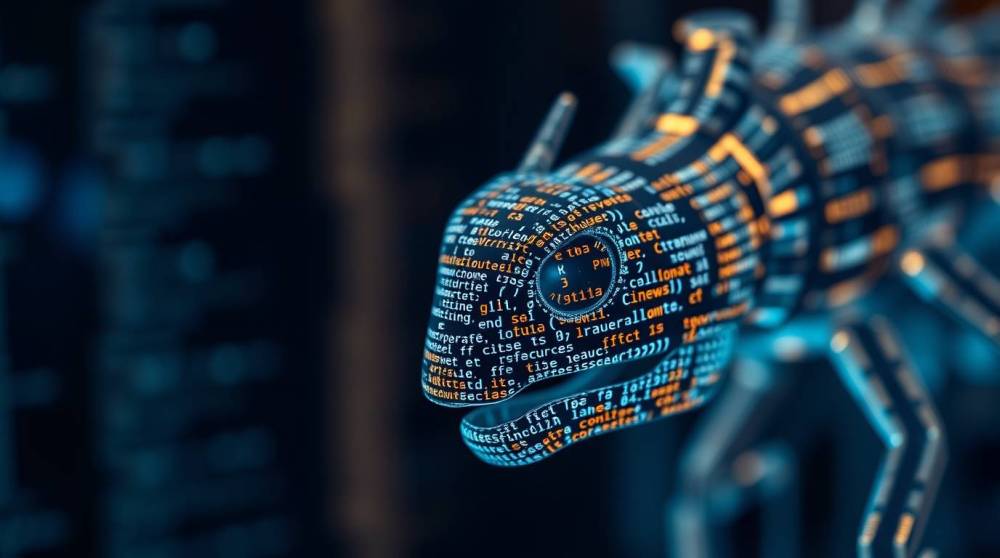
Malware used to be predictable. Annoying, yes, but predictable. It ran the same script every time, like an intern following a checklist they found taped to a monitor. But now we have AI-driven malware that adjusts itself mid-attack, and the whole thing feels less like debugging a problem and more like arguing with a very determined shapeshifter.
This new malware doesn’t just run a plan. It watches, learns, and changes based on what your system does. If an endpoint agent starts poking around, it shifts its behavior. If a firewall blocks one path, it tries another. It’s basically the cybersecurity version of a GPS that keeps saying, “Recalculating,” until it finds a route you forgot existed.
The change started becoming noticeable around 2024. Attackers began attaching small models to their payloads. These models study the environment in real time. They look at processes, defenses, network layout, and even the user’s habits. Then they pick the next step based on what gives them the highest chance of staying inside. In some cases, they rewrite small sections of their own code so signature tools have nothing solid to latch onto.
The tricky part is how quiet it all is. The malware doesn’t make loud mistakes. It doesn’t thrash around when blocked. It simply tries something else. One minute it acts like a keylogger. The next minute it behaves like a token thief. If it sees a sandbox, it goes dormant. If it sees no sandbox, it wakes up and tests a different path. It adapts like it knows you’re watching.
Some variants take it even further. They talk to a command server, get feedback, and adjust on the fly. It’s like malware with a coach. The operator says, “Good job sneaking past AV; now try going for the admin token,” and the malware actually listens. It’s unsettling when the enemy software communicates better than half the collaboration tools in the office.
Defending against this isn’t impossible, but it does change the rules. Static signatures and single detection points won’t keep up. You need more behavior tracking, more isolation, and tighter control on scripts, binaries, and high-risk tools. Restrict what can run. Limit what can reach the internet. Watch for strange patterns that don’t break anything but don’t belong either. Adaptive malware survives on quiet, subtle moves. Catch the small moves, and the rest follows.
AI malware isn’t magic. It’s persistent, flexible, and annoyingly clever, but it still needs to interact with the system. When you force it into narrow lanes and watch those lanes closely, the adaptation becomes slower and easier to spot. And once you spot it, the advantage shifts back to you.


