When was the last time you truly put your phone down—not just on silent, not face down on the table, but actually away? If you’re struggling to remember, you’re not alone. Most of us live glued to our screens, and while that’s become normal, it isn’t always healthy.
A digital detox doesn’t have to mean throwing your phone in a drawer for a week. It can be as small as taking an evening walk without your device, or deciding not to check emails after dinner. These pauses matter. They give your mind a chance to breathe, recharge, and reset.
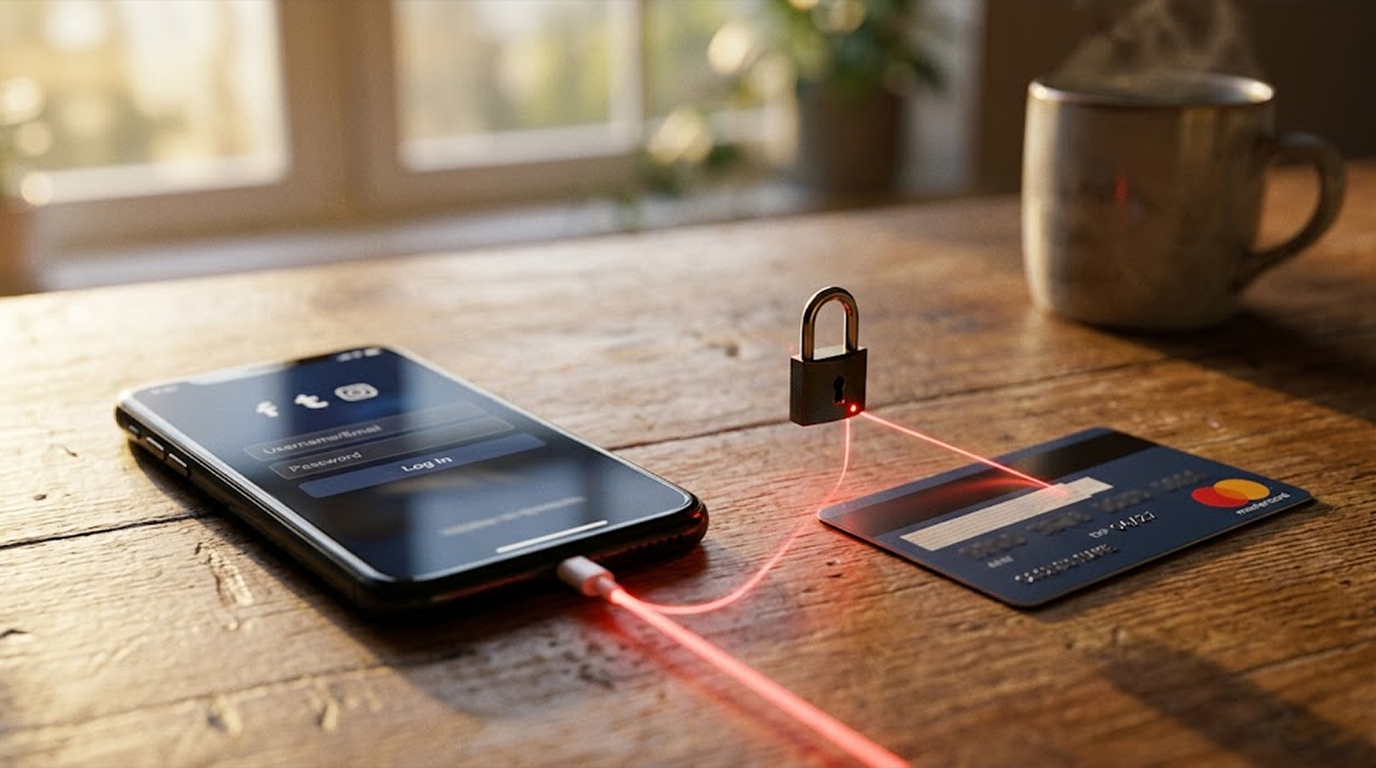
Here’s the twist most people don’t see: when you’re burned out from too much screen time, you’re not just hurting your mental health—you’re also putting your cybersecurity at risk.
Think about it. Ever clicked on a suspicious link because you were rushing? Or ignored a software update because you just wanted to shut your laptop and rest? Fatigue makes us sloppy online. Hackers don’t need to outsmart your antivirus—they just need you to be distracted.
So what can help?
- Carve out no-screen moments—like during meals or right before bed.
- Clean up your digital clutter—delete apps you never use, check your privacy settings, and log out when you don’t need to stay in.
- Update before you unplug—patches and backups are your quiet safety net.
- Step away often—a clear head makes it easier to spot red flags.
The truth is, protecting your data and protecting your peace of mind aren’t two separate goals—they’re connected. When you take care of one, you naturally strengthen the other.
Sometimes the smartest cybersecurity move isn’t another app or password. It’s giving yourself permission to unplug.