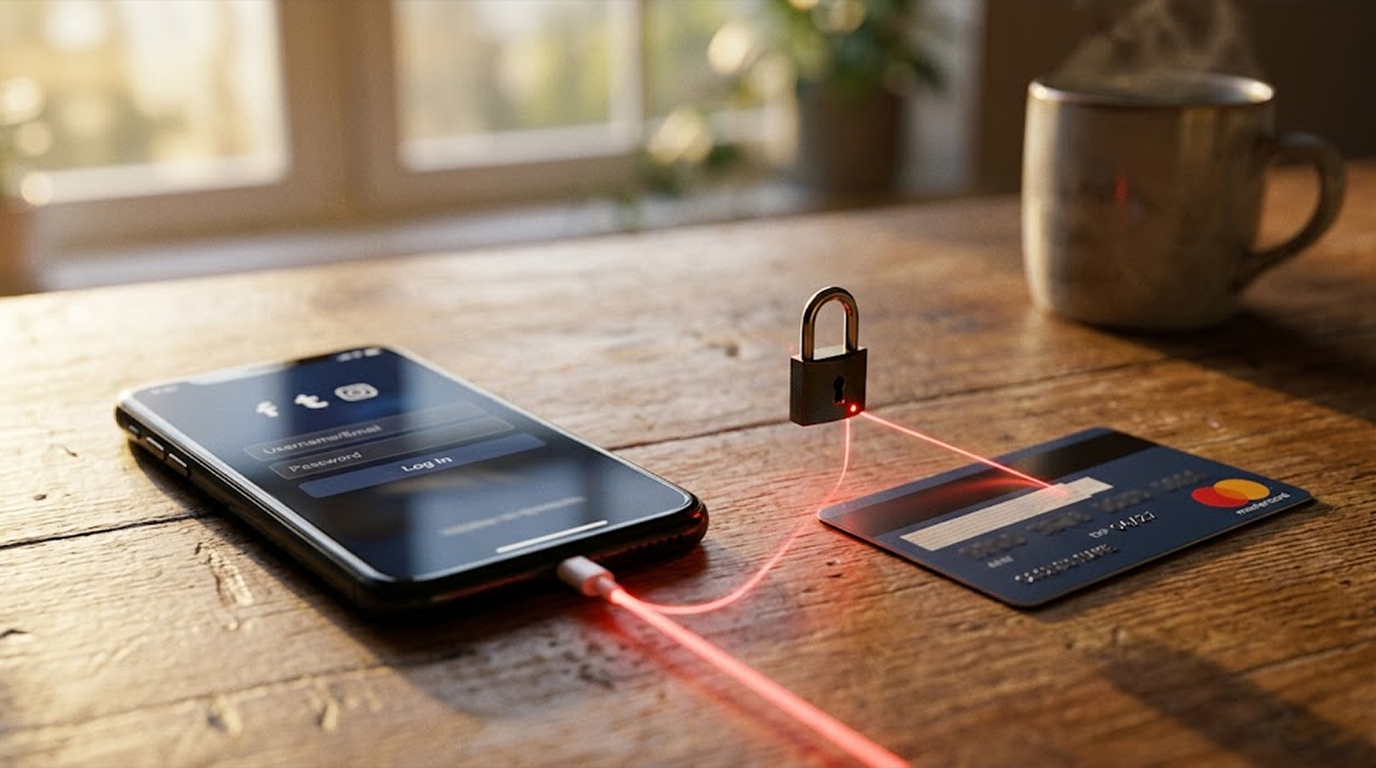
The digital world is full of cybersecurity advice but not all of it is accurate. Misconceptions about online security can leave people and businesses vulnerable to cyberattacks. In this article, we debunk some of the most common cybersecurity myths and reveal the truth behind them.
Myth 1: "I’m Not a Target for Hackers"
The Truth: Everyone is a target.
Many people believe that cybercriminals only go after large corporations or wealthy individuals. The reality is that hackers target anyone with a digital footprint, whether it’s to steal personal information, financial data, or even just use your device for malicious activities.
Myth 2: "Antivirus Software Is Enough to Keep Me Safe"
The Truth: Antivirus software is just one layer of defense.
While antivirus programs help detect and block known threats, they can’t catch everything. Cybercriminals use sophisticated techniques like zero-day exploits and social engineering attacks that bypass traditional security measures. A comprehensive security strategy includes firewalls, regular updates, strong passwords, and awareness of potential threats.
Myth 3: "Public Wi-Fi Is Safe if It Has a Password"
The Truth: Public Wi-Fi is risky, even if it’s password-protected.
Hackers can intercept data on unsecured networks, conduct man-in-the-middle attacks, or create fake Wi-Fi hotspots to steal sensitive information. If you must use public Wi-Fi, always connect via a Virtual Private Network (VPN) to encrypt your data.
Myth 4: "Strong Passwords Are Enough to Protect My Accounts"
The Truth: Multi-Factor Authentication (MFA) is essential.
Even the strongest passwords can be stolen through phishing or data breaches. MFA adds an extra layer of security by requiring a second form of verification, such as a code sent to your phone or a biometric scan.
Myth 5: "Devices with Certain Operating Systems Don’t Get Viruses"
The Truth: No device is immune to cyber threats.
While some operating systems have built-in security features, they are still vulnerable to malware, phishing attacks, and spyware. Cybercriminals are increasingly targeting mobile devices through malicious apps, fake updates, and SMS phishing (smishing).
Myth 6: "Cybersecurity Is Only a Concern for IT Professionals"
The Truth: Everyone plays a role in cybersecurity.
Whether you're an employee, student, or business owner, cybersecurity awareness is crucial. Many breaches occur due to human error, such as clicking on phishing emails or using weak passwords. Education and vigilance are key to preventing cyber threats.
Myth 7: "If a Website Has 'HTTPS,' It’s Completely Safe"
The Truth: HTTPS only secures data in transit, not the website itself.
A secure HTTPS connection means data between you and the website is encrypted, but it doesn’t guarantee that the website is legitimate. Cybercriminals can still create fake sites with HTTPS to steal login credentials. Always verify the authenticity of websites before entering sensitive information.
Final Thoughts
Believing in cybersecurity myths can put you at risk. Staying informed and practicing good security habits like using MFA, avoiding public Wi-Fi without a VPN, and staying cautious online can help protect you from cyber threats. Cybersecurity isn’t just for experts; it’s something everyone needs to take seriously.