Yes and in several concrete, already observable ways.
AI does not “want” to undermine democracy, but it is an exceptionally powerful amplifier of existing human flaws and systemic vulnerabilities in democratic systems. When placed in the wrong hands (or used carelessly at scale), it can accelerate polarization, erode trust, suppress turnout, manipulate voters, and weaken the core mechanisms that make self-government possible.
Below are the main pathways through which AI is already and will increasingly challenge democratic resilience:
1. Industrial-Scale Disinformation & Narrative Control
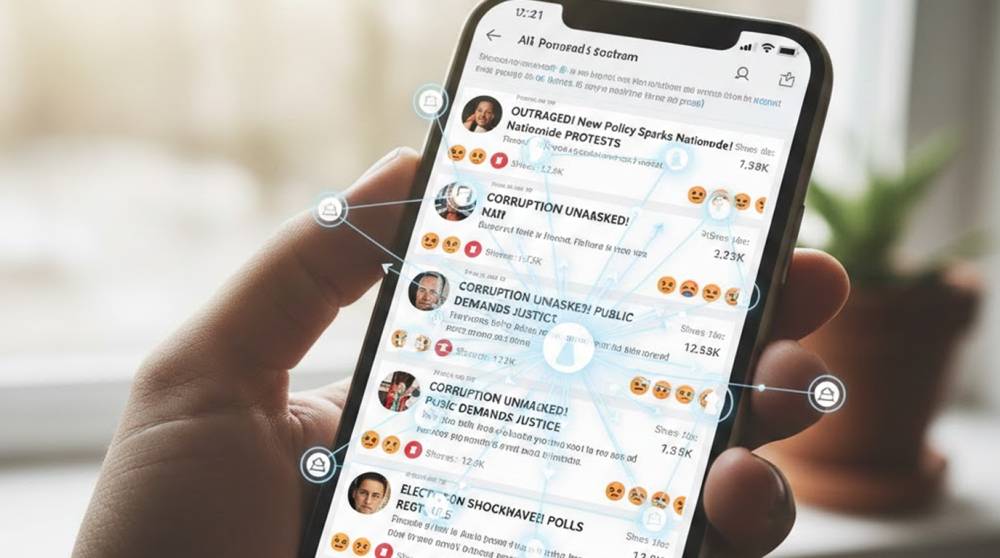
a) AI can generate realistic text, images, audio, and short video at near-zero marginal cost.
b) A single operator can now produce thousands of tailored messages per hour in multiple languages, each tuned to local fears, values, or identities.
c) Result: flooding of public discourse with conflicting realities → voters no longer share a common factual baseline → compromise becomes impossible.
Real pattern already visible: coordinated AI-assisted campaigns in multiple election cycles have measurably increased belief in false election-fraud claims, vaccine conspiracies, and ethnic/religious scapegoating narratives.
2. Micro-Targeting Manipulation of Precision
a) Platforms are still allowing or can't completely stop targeting based on inferred people's personality/emotional state, previous behavior (archives), and live behavior (reactions).
b) Because of their modelling, machines can identify which specific message will motivate which voters to show up (i.e., anger => Vote out; fear => Conservative Shift; hope => Progressive Shift).
c) Small shifts among the narrow swing demographic can produce significant changes between two closely contested candidates in a closely contested election. Precise margins of victory in democracies are exposed to uncontested elections.
3. The disintegration of a shared reality due to manipulated forms of communication
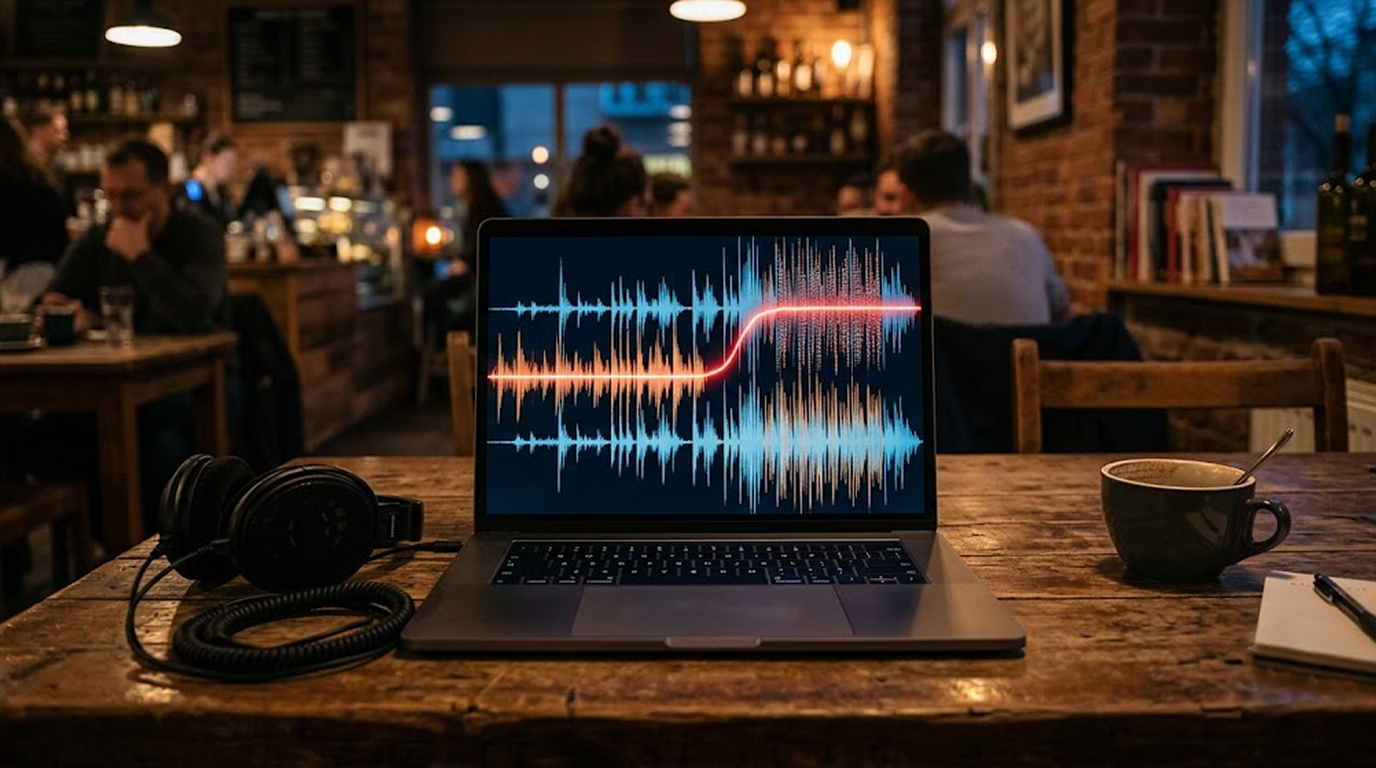
a) Political figures or journalists can easily and convincingly recreate a voice by using only a small portion of audio.
b) Individuals viewing short recordings of political figures have become less able to correctly identify video replicas as fake due to the impressive quality of these videos.
c) A flood of false utterances regarding candidate statements, leaked material, or election scandals outpaced corroboration of the facts leading to a widespread collapse of media trust causing individuals to turn to politically aligned sources of information.
Evidence: Multiple verified instances of deepfakes produced during an election leading to a large amount of confusion for most voters or potential voters have caused exceptionally high levels of outrage.
4. Suppression and De-mobilization through the use of targeted harassment
a) Artificially generated robot voices can identify specific groups of voters (i.e., underrepresented groups, new voters) or intended voter segments and inundate them with intimidating or demoralizing messages.
b) Harassment on a large scale using either ai-generated content meant to harm or dox someone could deter their participation without any means of tracing it back to a common source.
c) Commission of acts that would lower the participation of these groups will cause a distortion in the rights of these groups.
Recent trends indicate that these types of messages directed at female candidates and new voters are on the rise in national elections.
5. Erosion of Trust in Institutions and Democracy
a) AI can produce unlimited amounts of fake-looking ‘evidence’ relating to fraud/corruption/conspiracy → increased cynicism.
b) If a large percentage of the population believes elections are rigged, institutions have been captured, or the system cannot be fixed, they will no longer want to participate peacefully in society.
c) As a result, you will see increased levels of apathy, radicalization, or support for the use of violence or other means to achieve political ends (anti-democratic).
Practical Takeaways
1. Slow down, if content makes you immediately angry, afraid, triumphant, or desperate to share → pause 60 seconds.
2. Verify independently, don't believe audio/video evidence provided by politicians unless it has been verified through official government resources and/or professional fact checkers.
3. Diversify sources, find some alternate social media accounts that are doing so to widen you knowledge base so you are not in an echo chamber.
4. Treat Urgency as a warning sign, typically, credible civic actions require significant amounts of time to organize and mobilize before they request urgent response through social media.
5. Protect your own data, minimize what apps and platforms know about you (location, contacts, likes) → reduces micro-targeting power.
AI does not inherently hate democracy but it dramatically lowers the cost and raises the effectiveness of every anti-democratic tactic that already exists: disinformation, polarization, intimidation, demobilization, and trust erosion. The danger is not a single “killer app” but the cumulative effect of cheap, scalable, personalized manipulation at population level.
The most realistic near-term risk is not dystopian AI takeover, but a gradual hollowing-out of shared facts, mutual trust, and peaceful participation, the quiet preconditions of functional self-government.
If enough people learn to recognize emotional manipulation, cross-check claims, and slow down before reacting or sharing, the damage can be limited. If not, the next decade of democratic backsliding will look very different from the last one and AI will be the accelerant.