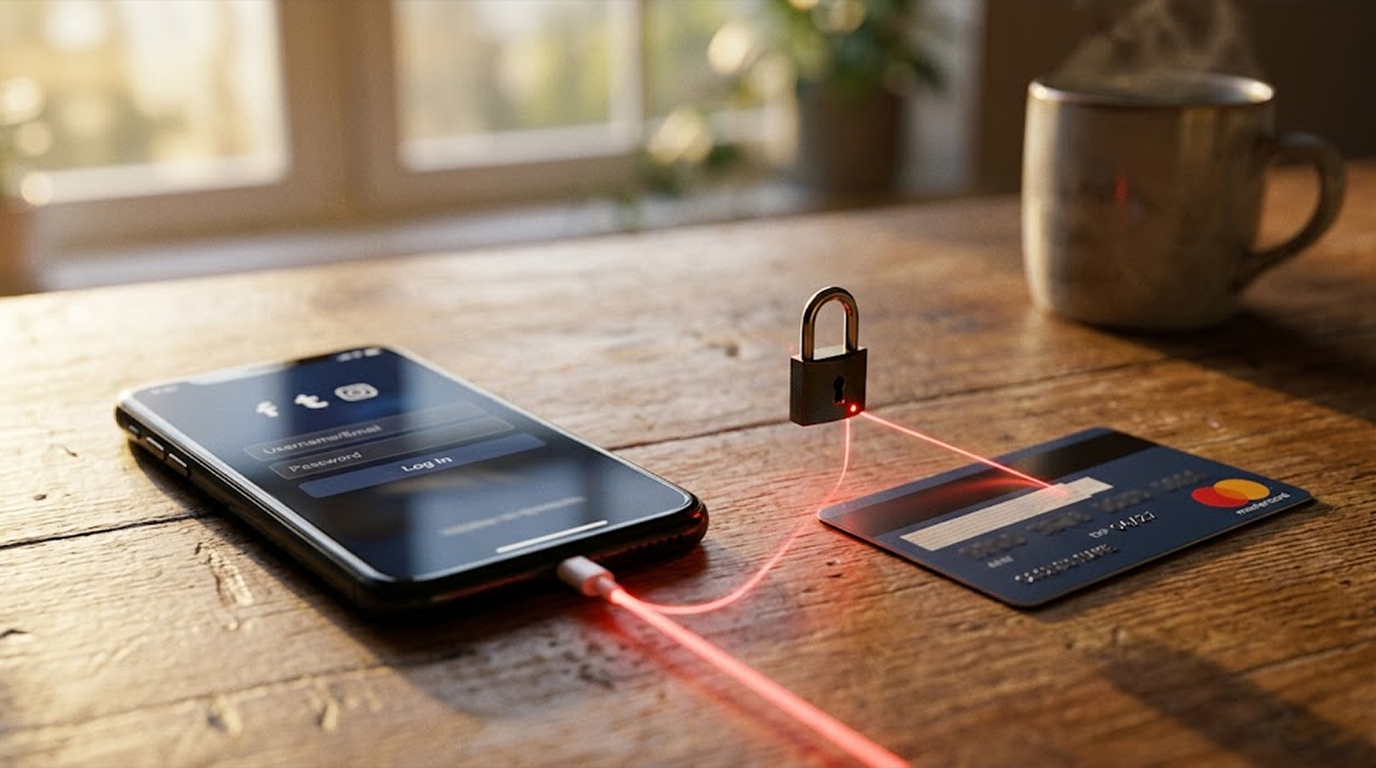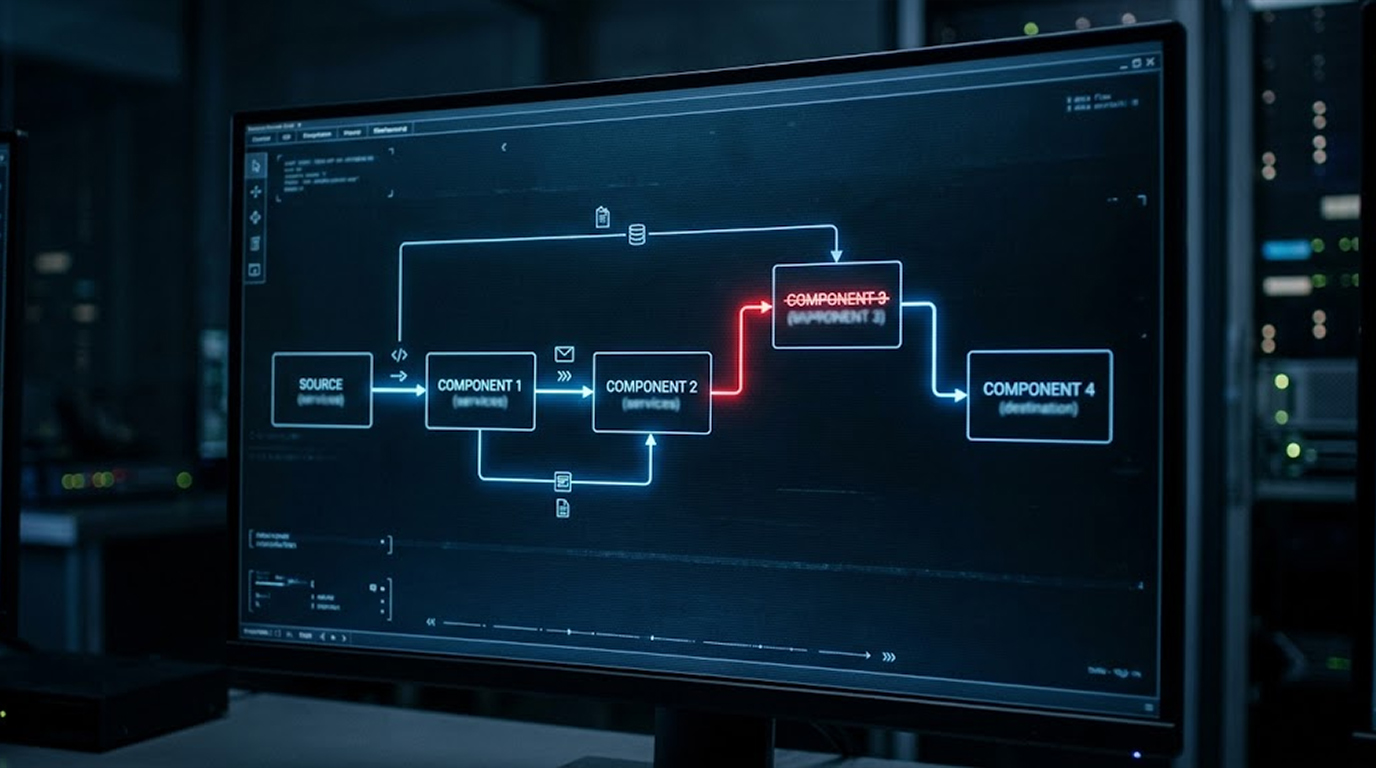
As workplaces become more flexible, Bring Your Own Device (BYOD) policies are gaining traction. Employees use their personal smartphones, laptops, and tablets to access company networks, making work more convenient and reducing IT costs. While this approach offers efficiency, it also introduces significant cybersecurity risks. Personal devices are often less secure than company-managed ones, creating vulnerabilities that attackers can exploit.
Why BYOD Presents a Security Challenge
BYOD allows employees to work remotely, collaborate efficiently, and access cloud applications from anywhere. However, without proper security measures, it exposes companies to threats like data breaches, malware infections, and unauthorized access. Many personal devices lack enterprise-level security, making them easy targets for cybercriminals.
Common Security Risks of BYOD
Data Breaches and Unauthorized Access
Employees store business-related information on personal devices. If lost, stolen, or compromised, sensitive corporate data becomes exposed. Weak passwords and the absence of multi-factor authentication make it easier for attackers to gain access.
Malware and Phishing Attacks
Personal devices often lack advanced cybersecurity defenses. Employees may download unverified applications, click on malicious links, or fall victim to phishing emails. A single infected device can spread malware across the corporate network, leading to significant security incidents.
Unsecured Wi-Fi Connections
Employees frequently connect to public Wi-Fi networks in cafes, airports, and hotels. Hackers exploit these networks to intercept data transmissions, steal login credentials, and launch attacks on connected devices. Without a secure connection, sensitive corporate information is at risk.
Unapproved Applications and Shadow IT
Employees install third-party applications for productivity, messaging, or file sharing. Many of these apps lack proper security controls, potentially leaking company data. IT teams struggle to monitor and manage unauthorized software, increasing exposure to cyber threats.
Limited Control Over Personal Devices
Unlike company-owned hardware, personal devices lack centralized security management. If an employee leaves the company, ensuring corporate data is properly removed becomes difficult. Remote wipe capabilities are often unavailable, leaving sensitive information accessible to unauthorized individuals.
Insider Threats and Human Error
An employee with malicious intent can misuse access privileges to leak or steal confidential data. Even without ill intent, simple mistakes like sending confidential emails to the wrong recipient or using weak passwords can create vulnerabilities.
How Companies Can Strengthen BYOD Security
Establish a Strong BYOD Policy
Clear guidelines should define security requirements, permitted devices, and acceptable applications. Employees must understand their responsibilities regarding corporate data protection.
Enforce Multi-Factor Authentication (MFA)
Requiring MFA for all corporate accounts significantly reduces the risk of unauthorized access. Even if an attacker steals login credentials, MFA adds an extra security layer that prevents breaches.
Implement Mobile Device Management (MDM)
MDM solutions help IT teams monitor and enforce security policies on personal devices. They enable remote wiping of company data if a device is lost, stolen, or an employee leaves the organization.
Encrypt Data and Communications
Encryption ensures that sensitive business information remains unreadable to unauthorized parties. Employees should use encrypted email services, secure file-sharing platforms, and virtual private networks (VPNs) for remote access.
Educate Employees on Cybersecurity Best Practices
Employees must recognize phishing attempts, avoid downloading untrusted applications, and use strong passwords. Regular security awareness training can help prevent common mistakes that lead to cyber incidents.
Limit Access to Sensitive Information
Role-based access control (RBAC) ensures employees can only access the data they need for their roles. A zero-trust approach verifies every user and device before granting access, reducing potential security risks.
BYOD enhances workplace flexibility but requires careful security management. Companies must implement strict policies, enforce cybersecurity measures, and educate employees to minimize risks. By prioritizing encryption, multi-factor authentication, and remote security management, organizations can strike a balance between convenience and protection. Managing BYOD security effectively ensures that personal devices support productivity without becoming a weak link in corporate cybersecurity.