AI-Generated Evidence
You have seen the videos. Someone's face is convincingly placed on another person's body. A politician appears to say something they never said. A celebrity appears in a compromising situation that never happened. It is all fake, but it looks real enough to fool millions of people.
Now imagine that technology being used against you in a court of law. Someone has created a video of you doing something you never did. They have fabricated audio of you saying something you never said. They have generated documents that look like they came from your computer. And they are presenting all of it as evidence.
This is not a distant future scenario. This is happening right now.
For security professionals, this is terrifying. The entire foundation of investigative work, trust in digital evidence, is being systematically dismantled. When almost anything can be faked, how do we know what is real?
The Genie Is Out of the Bottle
The AI genie is out of the bottle, and there is no putting it back.
There have been numerous advancements made in the generation of AI-created content. This technology has come a long way from eerie pictures to photo-realistic videos, voice clones that are hard to distinguish from a real person’s voice, and text that reads like it was written by a human being.
This does not only affect those funny videos and spam e-mails. Cybercriminals use such AI-created content to generate fake evidence. They are generating false alibis, manufacturing confessions, and creating digital trails that point to innocent people.
And the really scary part is that the people making this stuff are getting better at it every single day.
The Real Problem for Security Teams
Security teams generate massive amounts of digital evidence. Security camera footage, system logs, email records, access logs. All of this material is used in investigations. It helps determine who did what and when they did it.
But here is the problem. If AI can generate realistic content, how do we prove that our evidence is real? How do we show a judge that the security footage we captured actually came from our cameras and was not generated by some AI tool?
This is not a theoretical question. Defense lawyers are already challenging digital evidence in court. They are asking tough questions about authenticity. And if security teams cannot answer those questions convincingly, their evidence becomes worthless.
How Attackers Are Using AI Against Investigations
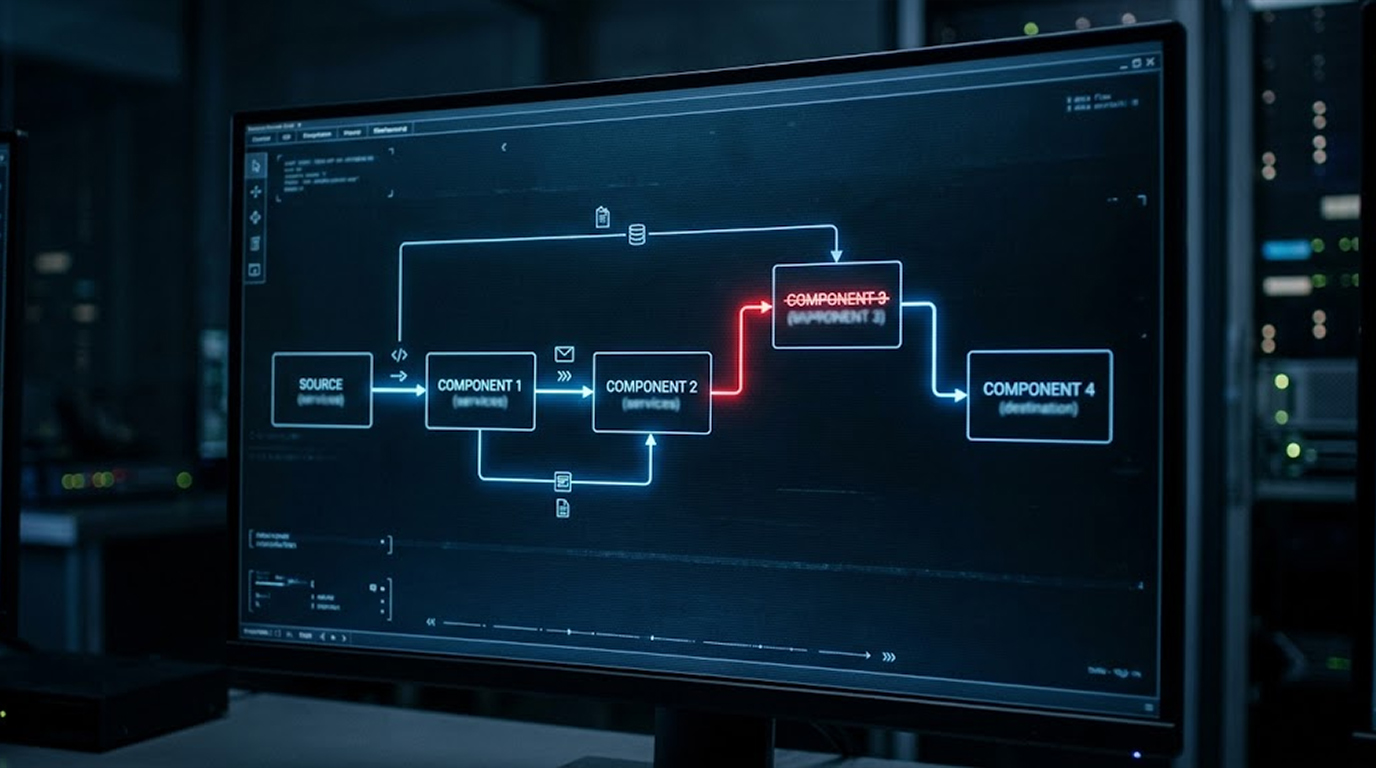
A cybercriminal breaks into a company's network. They steal sensitive data. They cover their tracks. But they leave behind some logs that point to a particular employee. The company conducts an investigation and uncovers seemingly credible evidence pointing to that employee’s guilt.
What the company doesn’t know is that the attacker utilized AI technology to create those log files. It was the fabrication of a digital trail leading straight to an innocent individual. By the time the truth comes to light, the actual criminal would be far away, while the innocent employee would face criminal charges.
There have been cases where attackers used AI to generate realistic phishing emails that imitated specific individuals. There have been cases where attackers created fake audio recordings of executives approving fraudulent transactions. There have been cases where attackers generated fake documents that looked like they came from company servers.
The technology is sophisticated enough that experienced investigators are having trouble telling the difference.
What Defenders Are Up Against
Here is what makes this so difficult.
First, AI-generated content is getting better all the time. The artifacts that used to give away fake content, things like weird lighting or unnatural speech patterns, are disappearing. The content is becoming indistinguishable from the real thing.
Second, the tools are widely available. Anyone with an internet connection and a few dollars can generate convincing fake content. It is not necessary to be a technical expert or criminal genius.
Thirdly, the rate of innovation is increasing rapidly. By the time detection methods are developed, the attackers have already moved on to something more sophisticated. Defenders are constantly playing catch-up.
How to Protect Investigations
Let us get practical. Here is what can be done to protect investigations from AI manipulation.
Start with Authentication
When digital evidence is captured, it needs to be provably authentic. This implies placing cryptographic fingerprints into the evidence as soon as it is captured.
Imagine this as a digital signature of authenticity. When video footage is captured, the system generates a unique digital signature that is tied to that specific footage. If anyone tries to modify the footage, the signature breaks, and the tampering is immediately obvious.
This is not complicated technology. It is already available in many security systems. The problem is that most organizations do not bother to enable it or even know it exists.
Keep a Clear Chain of Custody
A clear chain of custody is essential. There needs to be proof of exactly where the evidence came from, who handled it, and what was done to it.
Blockchain can help with this. Evidence information can be stored on a blockchain-based ledger that cannot be modified. This creates an immutable record that proves the evidence has not been tampered with.
Train the Team
This is the one that most organizations overlook. People need to know what they are looking at.
Experienced investigators have been fooled by AI-generated content simply because they were not looking for it. They assumed the content was real because it looked real. They never thought to question it.
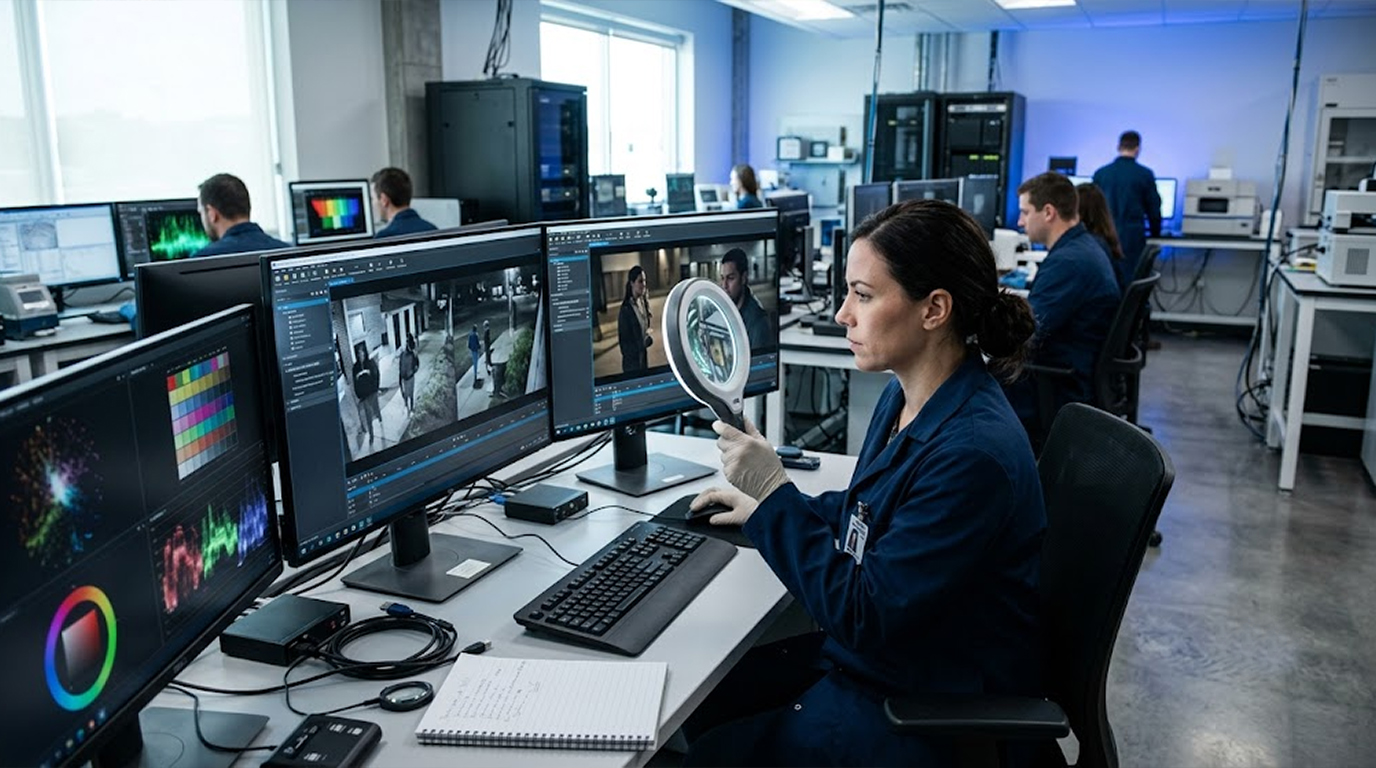
Teams need to understand the signs of AI manipulation. They need to know what to look for and how to verify authenticity. This is not a one-time training exercise. This is an ongoing process because the technology keeps changing.
Verify Everything
Here is the big one. Verify everything. Do not trust anything at face value.
If video evidence is received, verify that it came from the organization's cameras and was not manipulated. If audio evidence is received, verify that it is actually the person it claims to be. If documents are received, verify that they actually came from the organization's systems.
In the past, it was reasonable to assume that digital evidence was generally reliable unless there was a reason to doubt it. Those days are over. Now it is necessary to assume that anything could be faked until proven otherwise.
What the Future Looks Like
The problem is not going away. It is going to get worse before it gets better.
The technology is improving rapidly. The tools are becoming more accessible. The attackers are becoming more sophisticated. This is going to be a long fight.
But there is good news. Defenders are not helpless. There are tools and techniques that can help authenticate evidence and detect manipulation. It is possible to stay ahead of the attackers if this is taken seriously.
The key is to stop thinking about detection and start thinking about prevention. Instead of trying to figure out whether evidence is fake after it has been created, systems need to be built that make it impossible to create fake evidence in the first place.
That is not an easy task, but it is the only way forward.
A Story
Here is something that happened recently. A security team was investigating a breach. They found logs showing that an employee had accessed sensitive data at 3 AM. The logs looked legitimate. The timestamps matched. Everything seemed to point to that employee.
However, something seemed wrong. The employee had a good alibi. He was in a different city attending a conference at the time of the incident. It was decided to conduct an investigation.
The security team took another look at the log files. They realized there were some discrepancies there. The formatting was slightly off. The timestamps were too perfect. The logs had been generated by AI to frame an innocent person.
If that team had not been paying attention, an innocent person would have been accused of a crime they did not commit. The real attacker would have gotten away with it.
This is the new reality. Complacency is not an option. Assumptions about evidence reliability are dangerous. Everything must be verified.
What Can Be Done Right Now
Here are some practical steps that can be taken today.
- Audit evidence collection processes. Is authentication information being captured with the evidence? Is a clear chain of custody being maintained? If not, fix it.
- Talk to technology vendors. Ask how their products authenticate digital content. If they cannot give a good answer, consider switching to a vendor that can.
- Make sure everyone is aware of the potential risks associated with the use of evidence produced by the AI technology. Ensure they are well versed in detecting manipulation as well as authentication.
- Stay informed about what is happening. This industry evolves very quickly. Read security bulletins, participate in conferences, learn as much as you can.
- Be careful. This is a bit paranoid, but there is no other way. Always assume that digital evidence may have been falsified until proved otherwise.
The Bottom Line
AI-generated evidence is a real and growing threat to digital forensics. It is making it harder to trust the evidence that is collected and easier for criminals to manipulate investigations.
But defenders are not powerless. There are tools and techniques that can help authenticate evidence and detect manipulation. They just have to be used.
The world is changing. The technology is changing. But the fundamental principles of good forensic work remain the same. Be thorough. Be skeptical. Verify everything.
In a world where anything could be made up, the true power would lie with those who could prove that it really did happen.
FAQ Section
What is AI-generated evidence?
AI-generated evidence refers to the creation of digital content that can be used in the context of an investigation or legal process as evidence and was generated using artificial intelligence.
How can AI-generated content be determined in forensics?
It will need specific tools to examine the patterns within the content. Look out for any anomalies in the form of well-structured coding, false citations, and the reasoning process of the AI system. Another method to authenticate the content is by using cryptography.
Can AI evidence be authenticated?
Yes. Authentication technology can embed cryptographic fingerprints in digital content, creating a verifiable chain of custody that cannot be rewritten. Blockchain-based ledgers can also preserve custody records.
What are the signs of AI involvement in a cyberattack?
Look out for any exceptionally detailed comments within the code, optimized use of pattern identification, false use of scoring systems, and logic that is typical of large language models.
What effects has AI had on digital forensics?
Artificial intelligence presents new challenges through the ease of forging convincing evidence. At the same time, it presents an opportunity through automating of digital forensics activities and helping detect manipulated content.
What measures must be put in place by the security team to ensure that artificial intelligence evidence is not used?
Request for authentication from technology vendors, adopt transparency standards, train the security team on AI-generated material, forensic analysis as part of incident handling, and validation of the digital evidence.