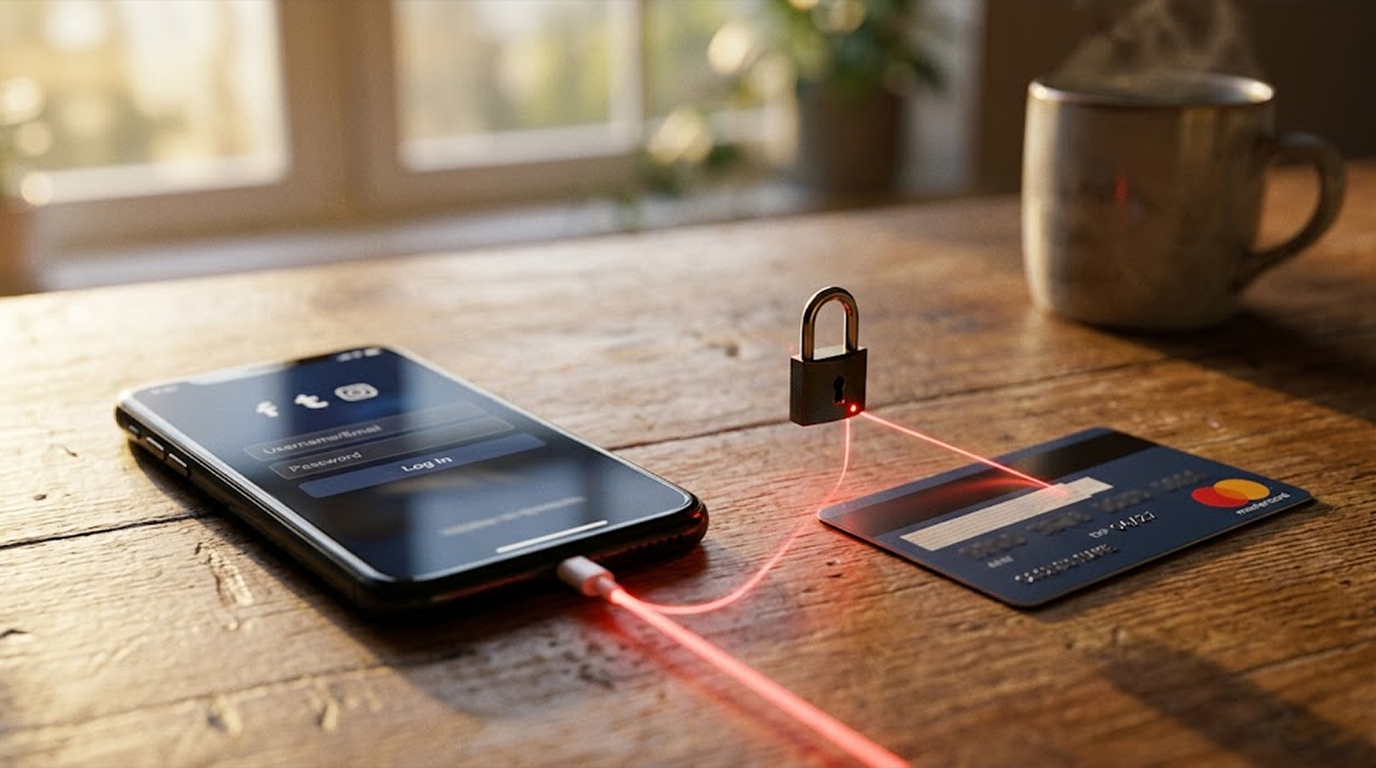
In the U.S. alone, $12.5 billion was lost to fraud in 2024 according to FTC data. As a result of the acceleration of artificial intelligence (AI), fraud losses are projected to continue their upward trend into 2025 through 2026. According to the World Economic Forum's Global Cybersecurity Outlook 2026, cyber-enabled fraud is one of the top five issues for many CEOs; it is ranked higher than ransomware.
The Experian and Alloy Surveys showed that 73% of respondents reported exposure to fraud in 2025. The highest levels of exposure were found in Sub-Saharan Africa (82%) and North America (79%).
AI has increased the speed, personalization and difficulty of identifying potential scams, affecting all facets of everyday life; i.e. banking, shopping, dating and searching for jobs.
Top Trends of Crime Impacting Business
1. Agentic AI and M2M Fraud AI can use itself to commit fraud without the involvement of a human criminal. An example is bots pretending to be buyers on eBay or Facebook Marketplace, contacting sellers, negotiating prices, and sending fake payment links, causing sellers to lose their money without human intervention.
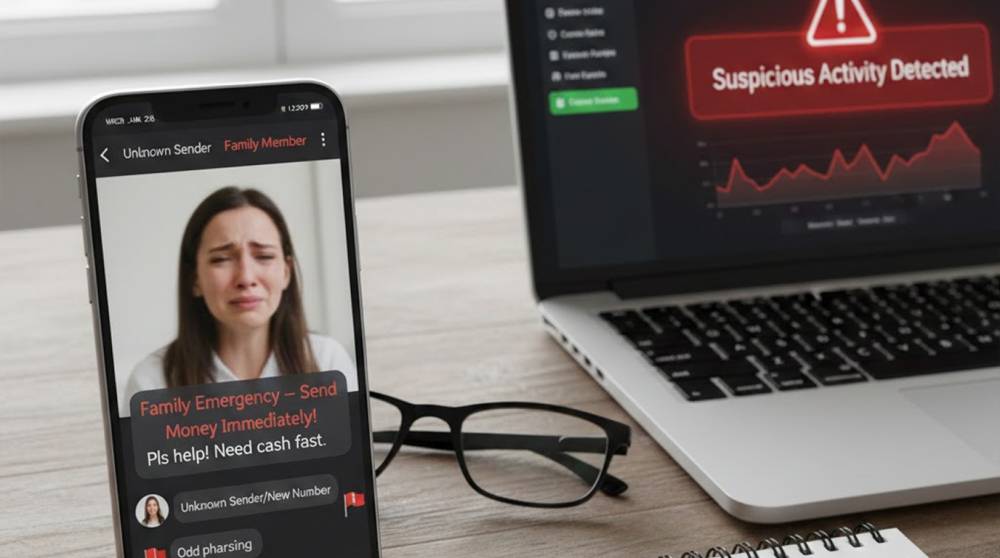
2. Deepfakes and Impersonation create false audio and video representations of someone known to a victim (e.g., a family member, a business associate).
Through impersonation using deepfake technology, a criminal can fool the victim into authorizing a wire transfer of funds. It is estimated that the dollar amount lost from BEC scams related to impersonation using deepfake technology will total in the millions of dollars. It is anticipated that by 2025 the use of deepfake technology will grow to include job interviews where dishonest candidates will be able to secure a job remotely and exploit their access while working from home.
3. Synthetic Identities and Application Fraud Leaked public data can be combined with fake data to submit multiple loan, credit, or job applications. For example, bad actors generate synthetic personas with fake employment history or addresses using ChatGPT or other tools to submit credit card or benefits applications and drain the money before their fraudulent activity is identified.
4. Website Cloning and Phishing AI can work rapidly to mimic an existing website to capture or gain control of sensitive information such as a user's account passwords or credit card details.
For example, a criminal may create a clone of a legitimate banking site such as Chase or HSBC, then email the link for the clone via WhatsApp to the target; once the victim enters their log in credentials and/or one-time password into the cloned website, the criminal will be able to take control of the victim's bank account.
5. Smart Home and IoT Device Exploitation Almost every internet-connected smart home device presents a potential entry point for a bad actor to commit a crime. For example, poorly configured Ring-style webcams or smart doorbells can be used by a bad actor to monitor an individual and send a phishing email to obtain delivery information or to facilitate a physical theft/ransomware attack.
6. Using AI bots to perpetrate romance and emotional scams is being done through Pig Butchering or using romance and cryptocurrency scams. Dating applications will have bots long-term build up trust to have them push false investments with losses between 4,000-10,000+ for victims by 2025 by the Federal Trade Commission.
7. Using "tech support" scams to get remote access to steal funds through phantom hacker/mule networks. This is being done through calls creating support for a "hacked account," resulting in transfers using recruited money mules through fake employment ads.
Regional variations:
1. The highest amount of exposure relating to fraud is in Sub-Saharan Africa and the Middle East with 82%+ of executives experiencing fraud; the large number of SMS and WhatsApp scams is driven by the rapid growth in mobile devices in these regions.
2. North America has the second-highest rate of exposure at 79% and is experiencing an increase in deepfake/BEC fraud primarily in the financial industry.
3. In Latin America, there is a significant increase in synthetic ID fraud and application fraud due to the increase in digital onboarding in the region.
4. In Asia-Pacific an increase in e-commerce has led to an increase in website cloning and phishing schemes.
5. In Europe, there are stronger controls in place to moderate some of the trends, but there is an upward trend in BEC and deepfake scams.
Practical Protection Suggestions
1. Confirm urgent/emotional requests via offline methods (Phone number, official applications).
2. Look for deepfake indicators in calls/videos (mismatched lips, missing pauses); (For free upload tool), use Hive Moderation.
3. Make sure to enable multi-factor authentication (MFA) (app/physical), freeze your credit reports (free through Equifax, Experian, & TransUnion).
4. Watch your statement/credit balances (Credit Karma is free); use virtual shopping cards.
5. Make your smart device secure by changing factory default settings; install the most current firmware update.
6. If you find any suspicious content, report it to the app/platform owner and local authorities (FTC.gov and/or local police department).
Some free tools: Check for pwnage from your accounts by using the website Have I Been Pwned?; scan links/files using VirusTotal; and block malicious ads using uBlock Origin.
Key Points
Fraud will be automated via AI & performed on a regional basis (i.e. Agents/Bots/Deepfakes/Synthetic ID's/IoT Exploits/Cost of Fraud is Billions of Dollars). The amount of exposure you'll receive will be much higher than before, with many victims being manipulated through both emotion and finances.
Treat all urgent requests with caution - confirm that the request is legitimate through an alternative method/independently; make sure your account and devices are secure; and regularly monitor/track your accounts. Most of these bad things can be prevented without the need for advanced tools and by making simple lifestyle changes to avoid being a victim.