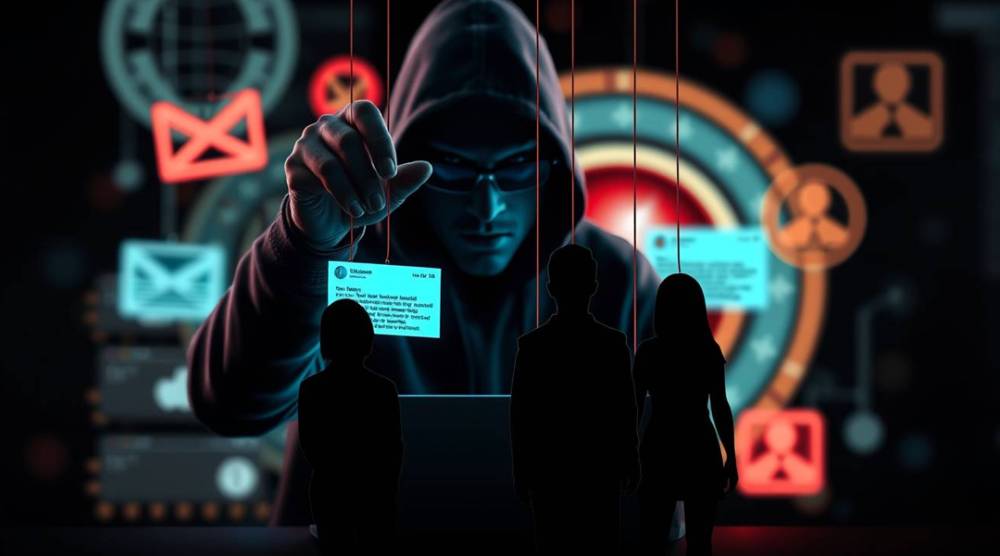
Cybercriminals don’t always need advanced hacking tools to infiltrate systems. Instead, they exploit human psychology—our emotions, cognitive biases, and natural trust—to trick us into revealing sensitive information. This method, known as social engineering, is one of the most effective ways hackers gain access to systems, steal identities, and commit fraud.
Why Social Engineering Works
At its core, social engineering takes advantage of psychological weaknesses that influence human decision-making. Here are the main factors that make people vulnerable to these scams:
1. Authority Bias – Trusting the Wrong People
We are naturally inclined to obey authority figures, whether it’s a boss, a bank representative, or a government official. Cybercriminals impersonate authority figures to demand urgent actions, such as transferring money or providing login credentials.
Example: A hacker pretends to be an IT administrator, calling employees and asking for their passwords to “fix a security issue.”
2. Urgency & Fear – Acting Without Thinking
When we feel rushed or threatened, we’re more likely to act impulsively without verifying details. Social engineers create fake emergencies to pressure victims into compliance.
Example: A scammer sends an email claiming, “Your account has been hacked! Reset your password immediately!” with a malicious link.
3. Reciprocity – The Need to Return Favors
People feel obligated to return a favor when they receive something helpful. Attackers use this principle by offering free software, giveaways, or exclusive access in exchange for personal data.
Example: A phishing email offers a “free security scan”, tricking users into downloading malware.
4. Curiosity – Clicking on the Unknown
Humans are naturally curious, and hackers exploit this by using enticing messages, leaked documents, or sensational content to lure victims into clicking dangerous links.
Example: A USB drive labeled “Confidential Project Files” is left in an office parking lot, hoping an employee plugs it into a company computer.
5. Social Proof – Following the Crowd
We tend to trust what others approve of. Attackers use fake reviews, testimonials, and hacked social media accounts to make their scams seem legitimate.
Example: A hacker takes over a friend’s account and sends "I made thousands using this app!" messages to convince others to join a scam.
Common Social Engineering Attacks
- Phishing – Fake emails, messages, or websites designed to steal credentials.
- Vishing (Voice Phishing) – Fraudulent phone calls from scammers posing as banks or support agents.
- Smishing (SMS Phishing) – Fake text messages urging victims to click malicious links.
- Pretexting – Creating a fabricated scenario to manipulate someone into giving information.
- Baiting – Using free downloads, giveaways, or USB drops to lure victims into installing malware.
How to Defend Against Social Engineering
- Think Before You Click – Always verify links and email senders before interacting.
- Don’t Share Sensitive Information – Legitimate companies never ask for passwords, PINs, or OTPs over phone calls or emails.
- Question Urgency – If a message or call pressures you to act fast, take a step back and verify.
- Use Multi-Factor Authentication (MFA) – Even if attackers get your password, MFA adds an extra layer of security.
- Educate Yourself & Others – Security awareness training is crucial for individuals and organizations to prevent cyber scams.
Social engineering works because it exploits human nature rather than technical vulnerabilities. Cybercriminals rely on trust, fear, and deception to manipulate people into making security mistakes. The best defense is awareness, skepticism, and proper security practices to recognize and resist these psychological tricks before they succeed.