You find a promising Solana sniper bot on GitHub. It has 146 stars. Dozens of positive comments. A YouTube channel with 91,000 subscribers shows you how to use it. A press release on a legitimate news site calls it the next big thing. SourceForge shows 44,000 downloads.
Everything looks trustworthy. You download it. You install it. You paste a wallet address to make a trade.
The malware swaps your address with the attacker's. Your crypto goes to them.
This is not a sophisticated zero-day. It is not a supply chain attack. It is a fake reputation campaign, the same playbook legitimate brands use to build buzz, repurposed to distribute malware.
The Playbook: Build Trust, Then Strike
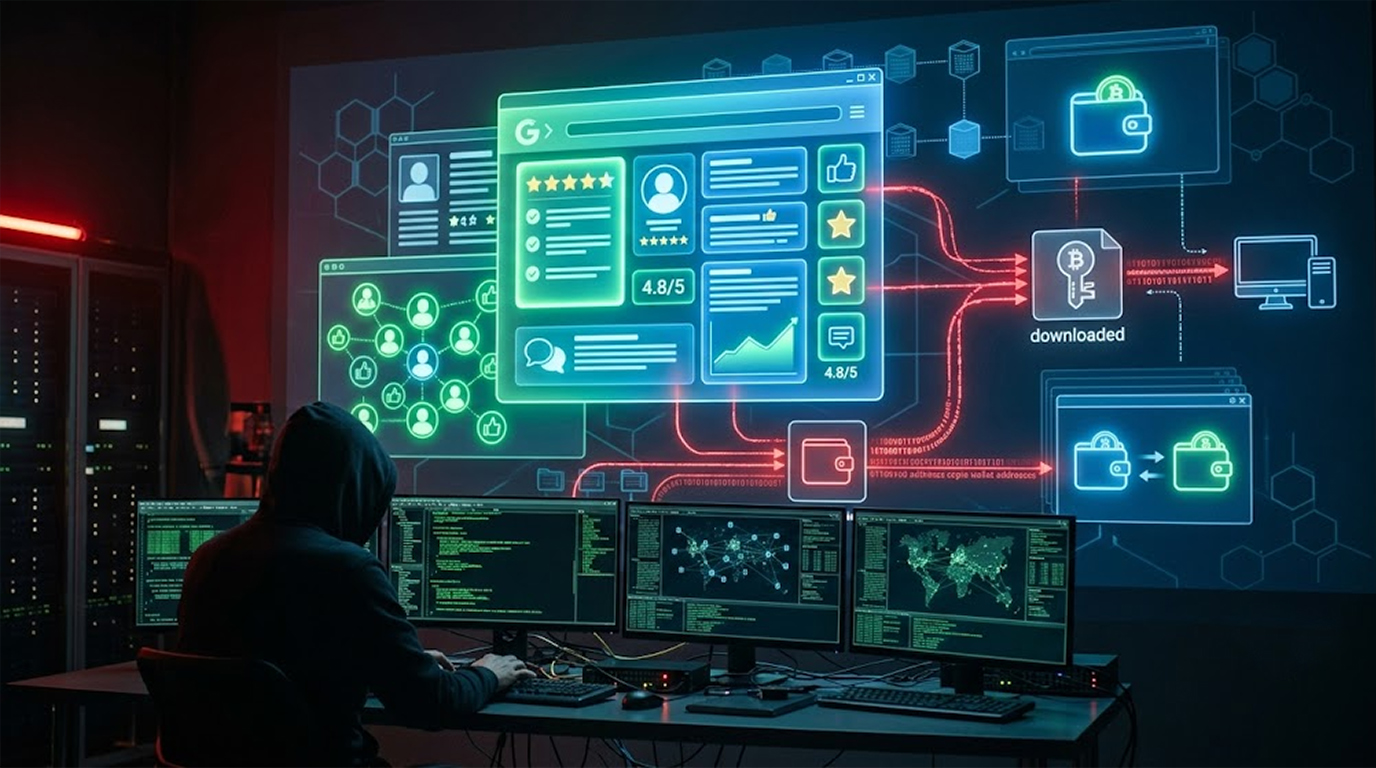
The attackers behind this cryptocurrency clipboard hijacker campaign have built a complete ecosystem of fake trust signals across every platform a potential victim might check before clicking "download."
GitHub: The attacker operates at least six accounts to cross-promote and distribute malware. One repository has 146 stars and 62 forks. The comments are positive. The activity looks organic. It is not.
SourceForge: The download counter reached 44,485. But 37,460 downloads supposedly originated from Android devices, despite the developer only offering Windows and macOS versions. That is not organic traffic. That is an Android farm artificially inflating download counts.
YouTube: A dedicated channel with over 91,000 subscribers features tutorial-style videos where AI-generated narrators guide viewers through the "tool's" features. The comments are all positive. The channel was created in July of 2020 which adds to its legitimacy.
Press releases: The adversary utilized a press release distribution service to demonstrate the capabilities of their tool. The distribution was syndicate across many partner news sites and therefore, a press release commonly seen on a legally established news website provides a great indication of being able to trust them as legitimate.
VirusTotal: The threat actor engages a coordinated group of accounts on VirusTotal to upvote and make positive comments regarding malware while working to misidentify these files as being harmless.
Reddit and forums: The threat actor has injected fake accounts into their coordinated efforts to create the false appearance of a vibrant community around the "tool".
What the Malware Does
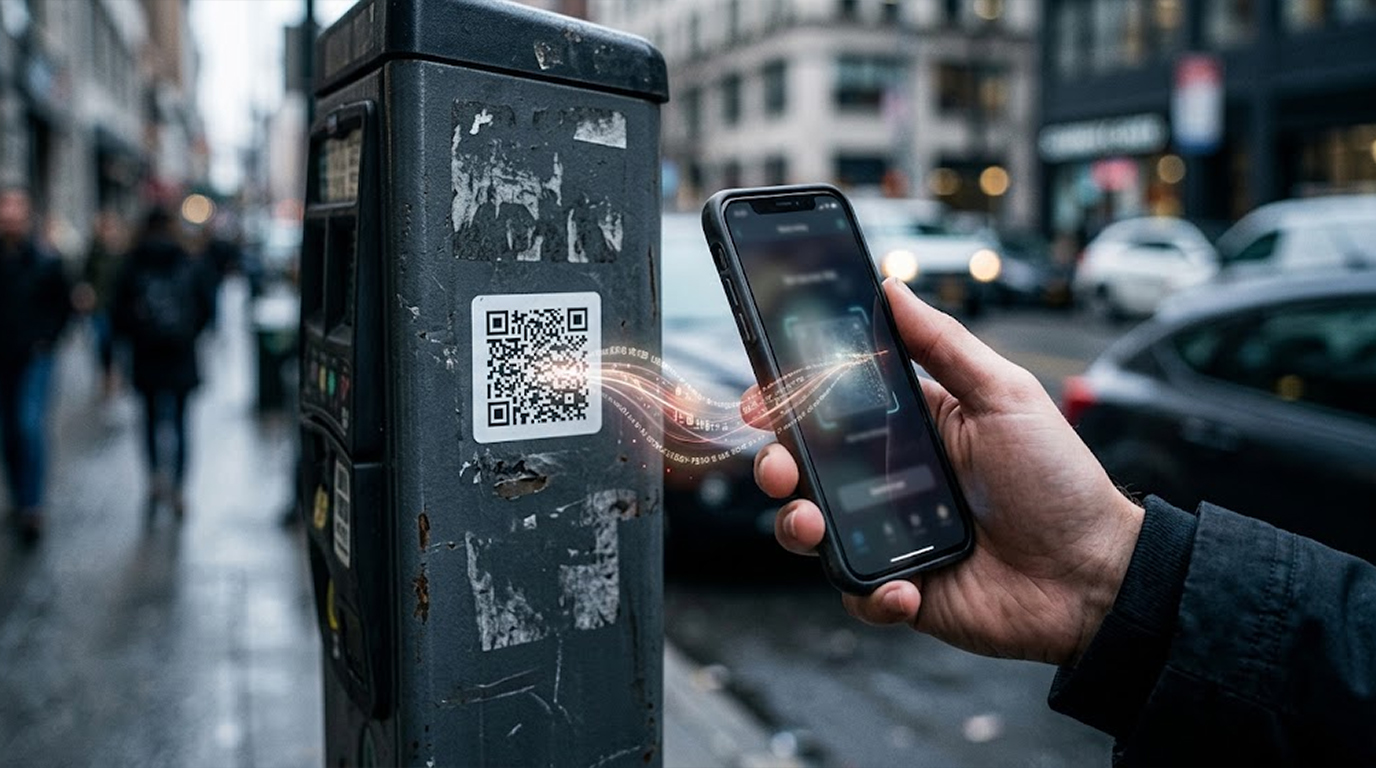
The cryptocurrency clipboard hijacker campaign distributes a Rust-based clipper targeting both Windows and macOS systems. The malware continuously monitors the clipboard for content that matches a cryptocurrency wallet address pattern.
When a user copies a wallet address intending to send crypto to that address the malware substitutes it with an attacker-controlled address from a hard-coded list. The victim pastes the attacker's address. They send their crypto to the attacker.
The malware is concealed within:
1. Solana sniper bots
2. Pump.fun sniper bots
3. Crash-game predictors
The targets are cryptocurrency asset holders and online gamblers looking for shortcuts and quick profits.
The Ghost Networks
The most unusual aspect of the cryptocurrency clipboard hijacker campaign is the use of what researchers call Ghost Networks. These are coordinated networks of fake accounts that poison reputation-driven systems.
On VirusTotal, the attackers use multiple accounts to:
1. Upvote malicious files
2. Leave highly positive comments
3. Misclassify threats as safe
On GitHub, they use cross-promotion between accounts to create the illusion of a thriving open-source project. The stars and forks are real numbers—they are just artificially generated.
On SourceForge, the download counts are inflated using Android farms. Most users checking download counts would see 44,000 and assume the software is popular and trusted.
Why This Works
The cryptocurrency clipboard hijacker campaign exploits a fundamental human behavior: we trust signals of popularity. Stars. Downloads. Reviews. Subscribers. Press mentions.
These signals are supposed to indicate that others have vetted a product and found it trustworthy. The attackers have figured out how to manufacture those signals at scale.
The same playbook used by legitimate brands to build buzz, social proof, influencer endorsements, press coverage is now being used to distribute malware.
Who Is Being Targeted?
1. People Who Hold Digital Currencies, With The Intent Of Using Digital Currencies To Trade
2. People Who Bet Online And Are Looking For Ways To Increase Their Successful Betting
3. Anyone searching for "sniper bots" or "crash game predictors"
The malware is designed to steal cryptocurrency. It does not deploy ransomware. It does not exfiltrate documents. It simply waits for a wallet address to be copied and replaces it with the attacker's address.
That makes it harder to detect. The victim only realizes something is wrong when the crypto does not arrive.
How to Protect Yourself
The cryptocurrency clipboard hijacker campaign relies on trust signals that are easy to fake.
Here is how to stay safe:
Verify before you install.
1. Examine the activity of the repo. Does it have a good track record of real contributions? Or does it seem to have cropped up from nowhere with a bunch of stars?
2. Analyze the comments. Are they all mostly identical? Or do they differ in how they were made?
3. Review the developer's other repos. Do they have an established history? Or do they appear to have been created fairly recently?
Be wary of inflated numbers.
1. Download counts can be easily faked using botnets or device farms.
2. It is easy to purchase good reviews.
3. It is easy to syndicate press releases.
Be skeptical of "educational purposes only."
Many malware campaigns claim to be for educational purposes. That is a legal disclaimer, not a trust signal.
Use a hardware wallet.
Hardware wallets are not vulnerable to clipboard hijackers. The address must be confirmed on the device itself.
Check addresses again.
This provides an easy defense! If you use a wallet address copied from another source; then make sure it is checked before you make any transfers to ensure that this was what you intended to enter.
The Bigger Picture
This clipboard hijacking attack involved using a fake address copy of a wallet to build trust in the same way as traditional forms of trust are used by criminals. Manipulating sentiment and reputation across crowd-sourced platforms is far more effective than sending phishing emails.
The same playbook of fake reputation and aggressive cross-platform promotion can easily distribute information stealers or ransomware to higher-value targets over time. What starts with crypto clippers could expand to enterprise compromises.
The Bottom Line
The cryptocurrency clipboard hijacker campaign is a masterclass in manufactured trust. GitHub stars. SourceForge downloads. YouTube subscribers. Press releases. VirusTotal upvotes. Every signal a user might check before downloading has been manipulated.
The malware itself is not sophisticated. The social engineering is.
Check the repository. Verify the developer. Double-check the address. And remember: 146 stars on GitHub can be bought for a few dollars.
FAQ Section
What is the cryptocurrency clipboard hijacker campaign?
It is a malware distribution campaign that uses fake reputation signals inflated downloads, fake reviews, coordinated upvotes to trick users into installing a clipboard hijacker that steals cryptocurrency.
How does the malicious software function?
Malicious software tracks clipboard activity looking for crypto wallet addresses. When you copy an address, the program will then change it to an alternate address controlled by the attacker. Therefore, the person that you sent your cryptocurrency to will never receive it.
What types of platforms do attackers use to spread their infections?
Attackers utilize GitHub, Sourceforge, YouTube, Virustotal, Reddit and also press release distribution services, to create a trust around their malware and make it available for download.
What signs can I look for in determining whether a repository or download is reliable?
You should verify that the repository has a credible history and that the developer has produced other legitimate works. You also want to search for real interactions with the community, not just high volume interactions. High volumes of generic reply posts and sudden spikes in popularity generally suggest that malware has been or will probably be used from that source.
If I have downloaded any of these tools, how do I proceed?
Completely delete any download you may have. If you already opened the download, immediately transfer your cryptocurrency to a new account, and then change any password you may have saved on that device.
Is an antivirus program a good way to protect myself against these types of malware?
Antivirus software may not always detect this type of malware; particularly if VirusTotal and other anti-malware sites have misidentified the file. Your best source of protection against this type of malware is to not only to remain skeptical but also, always double-check the address of your wallet before sending your cryptocurrency.