Deepfakes used to feel like a weird internet trick, something you’d see in a meme or a fake celebrity video. But now they’re showing up in places where they really shouldn’t be: malware campaigns. And honestly, this shift has been coming for a while. Attackers love anything that makes their job easier, and deepfakes give them a new way to look “legitimate” without doing much work.
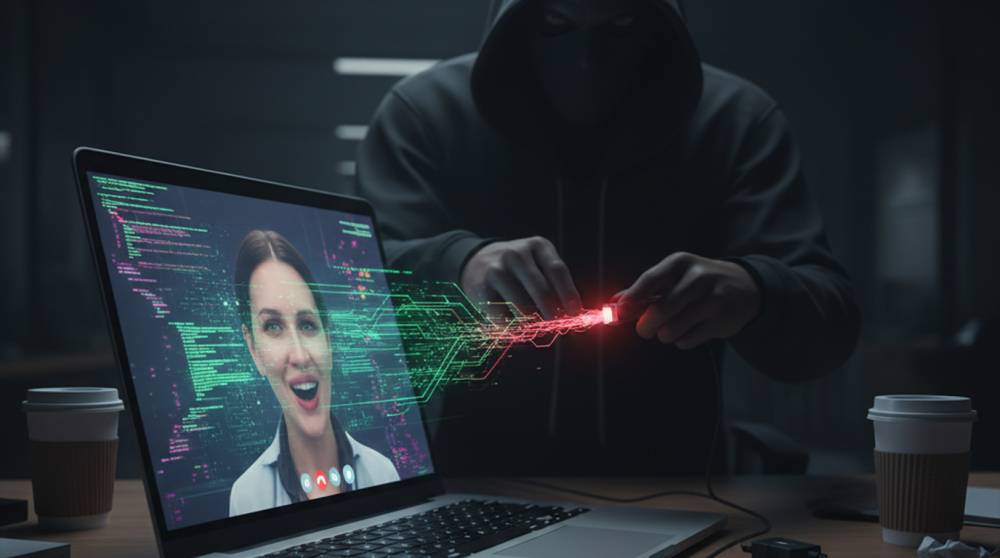
What’s happening now is a mix of fake voices, fake video calls, and AI generated personas being used to push malware. Some campaigns are simple, a synthetic voice pretending to be a manager asking someone to open a file or install a “tool.” Others are more sophisticated, with attackers using deepfake video during onboarding interviews to trick HR teams into sending documents or granting access.
And the worst part? People rarely stop to question a face or a voice if it looks close enough. That’s where attackers win.
Malware delivery is getting wrapped in “trust signals” created with deepfakes. Fake CIO giving instructions over Teams call. Fake vendor rep sending an update file. Fake job candidate sending a portfolio link that isn’t a portfolio at all. Once the user clicks, the malware lands quietly, because the social engineering layer was strong.
There’s also the identity angle. Deepfake accounts on social platforms are being built to support entire campaigns, real-looking photos, realistic posts, believable histories. Attackers use them to build relationships, then drop a malicious link when the victim’s guard is down.
So what do we do about it? A few things help:
1. don’t trust voice alone; call back on an official number
2. don’t install software because “someone on a call said so”
3. verify unexpected video calls or urgent tasks
4. teach teams that deepfakes aren’t sci-fi anymore, they’re in the wild
5. keep technical controls strong, because people will get fooled eventually
Deepfake malware campaigns aren’t about the malware itself, that part hasn’t changed. What’s changed is the delivery. Attackers are blending technical threats with psychological manipulation that feels personal and real. And that combination is what makes this wave so dangerous.